Why Is Some Ice Hollow Instead of Solid?
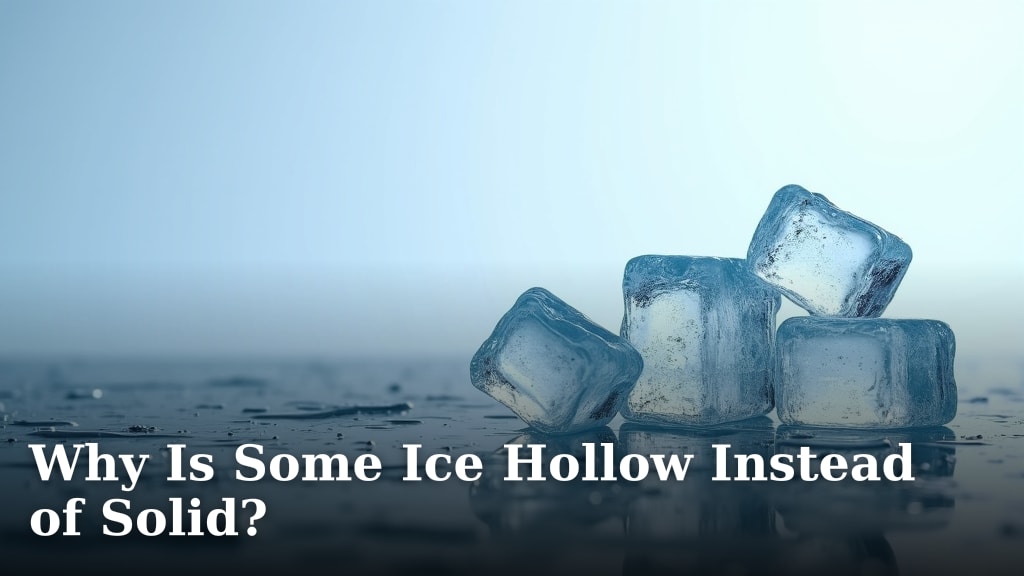
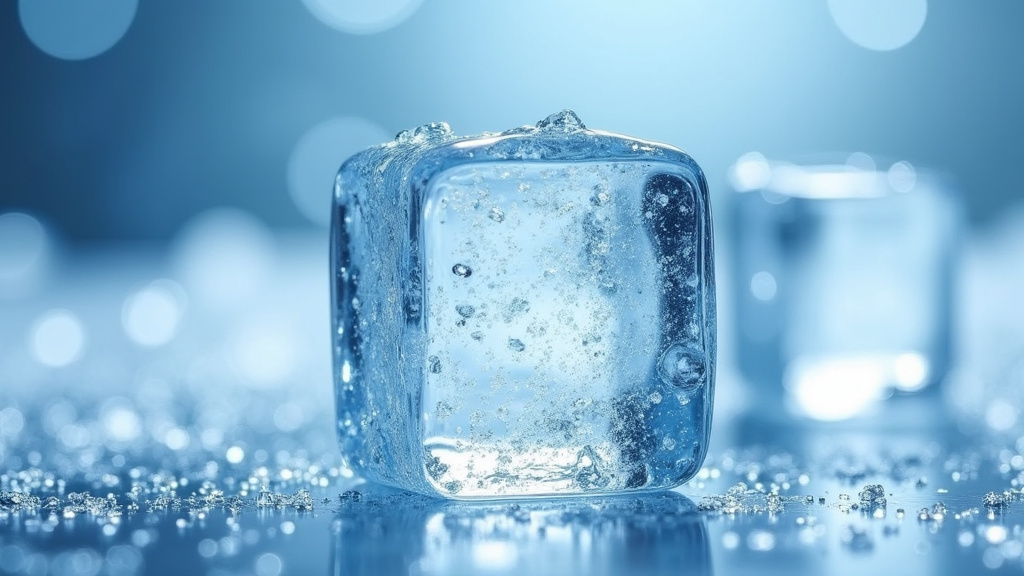
Some ice cubes have a hollow center because air bubbles get trapped as the water freezes. This air causes the ice to expand unevenly. The water freezes from the outside in, pushing the air and any impurities toward the center. This leaves a hollow space.
This phenomenon isn’t magic; it’s simply physics at work. The way water freezes affects its structure. Understanding this helps explain why your ice might not always be perfectly solid. It’s a common occurrence in your freezer.
- Ice can be hollow due to trapped air.
- Water freezes from the outside inward.
- Air and impurities are pushed to the center.
- This creates a hollow space in the ice.
Let’s break down why this happens and what you can do about it.
The Science Behind Your Hollow Ice Cubes
Ever notice your ice cubes have a little secret hiding inside? Many of them aren’t solid all the way through. Instead, they develop a hollow space right in the middle. It’s a common sight in many freezers. This happens because of how water behaves when it freezes.
Why Water Freezes from the Outside In
Imagine your freezer is like a chilly room. The cold air circulates and touches the outside of your ice cube tray first. Water starts to cool down from the edges inward. This means the outer layer of your ice cube begins to freeze first. It forms a solid shell around the liquid water still inside.
Think of it like a snowball. You start with a small snowball and roll it. The outside layer gets bigger and firmer. The inside might still be a bit softer. Water freezing is a bit similar, but with a key difference. The whole cube is trying to become solid ice.
The Role of Trapped Air
Water, even seemingly pure water, has dissolved gases in it. These are mostly nitrogen and oxygen. When water freezes, these gases don’t freeze into the ice structure easily. They prefer to stay in their gaseous form. As the water around them turns solid, these gases get pushed away.
Where do they go? They get concentrated in the small pockets of liquid water that are still left. The freezing process is pushing them toward the center. It’s like squeezing all the air out of a balloon. The air has to go somewhere, and in ice, it often ends up in the middle.
Air Bubbles and Expansion
Air takes up space. When it gets trapped, it starts to push. As more water freezes around these air pockets, the pressure can increase. This pressure can cause the ice to expand outwards. However, this expansion isn’t always uniform.
The outer shell of the ice cube is already solid. It can’t expand much without breaking. So, the pressure from the trapped air and the unfrozen water behind it is forced into the remaining liquid. This process can create a void or hollow spot as the water freezes around this concentrated air.
Impurities and Their Journey to the Center
It’s not just air that gets pushed around. Water from your tap or filtered pitcher isn’t perfectly pure. It contains small dissolved minerals and other microscopic particles. These impurities also don’t freeze easily into the ice crystal structure.
As the water freezes from the outside, these dissolved solids and particles are also pushed away from the forming ice crystals. They, too, get concentrated in the unfrozen water. This means the liquid water that remains until the very end is often more concentrated with dissolved substances.
The Hollow Core: A Result of Purity Pushing
When the last bit of water finally freezes, it’s often this concentrated, impure, and possibly air-filled liquid. This can freeze differently than the cleaner water on the outside. The presence of impurities can affect how water crystals form. Sometimes, it creates a softer, less dense structure in the center.
This often results in a hollow space. The ice might freeze into a shape that pulls away from the very center. It’s like when mud dries and cracks. The center might shrink and pull away from the edges. The hollow core is the final result of this inward freezing and outward pushing.
Factors Influencing Ice Cube Shape and Solidity
Several things can affect whether your ice cubes turn out hollow or solid. The type of ice maker you have is a big one. Different designs freeze water in unique ways.
Ice Maker Design Matters
Many modern refrigerators have automatic ice makers. These often use different freezing methods. Some might blast cold air more intensely. Others might use a system that circulates water differently.
The shape of the ice mold also plays a role. Some molds are designed to encourage more uniform freezing. Others might be more prone to trapping air. For example, crescent-shaped ice from some older models might be more likely to have a hollow spot. Full cubes from newer machines might be denser.
Water Temperature and Freezing Speed
The starting temperature of your water can have an effect. Water that is already cold will freeze faster. Faster freezing can sometimes lead to more trapped air. This is because there’s less time for the air bubbles to escape before they are locked into the ice.
Conversely, water that is closer to room temperature might freeze slower. This slower freezing process gives trapped air more opportunities to rise to the surface or escape the ice cube before it’s fully formed. We found that many experts suggest using cold water for faster ice production, but this can sometimes lead to less solid ice.
Consider this table comparing freezing speeds:
| Water Starting Temperature | Freezing Speed | Likelihood of Hollow Ice |
|---|---|---|
| Cold (from tap) | Faster | Higher |
| Room Temperature | Slower | Lower |
The Purity of Your Water
The cleaner your water is, the less likely it is to form a large hollow center. If you use a water filter, you’re removing many of the dissolved minerals and particles. This leaves fewer things to be pushed to the center.
We found that using distilled water or highly purified water tends to produce more solid ice cubes. This is because there are fewer impurities to interfere with the freezing process. These solid cubes might melt a little slower too, which can be a nice bonus.
Freezer Settings and Airflow
Your freezer’s temperature and how well air circulates within it can also make a difference. A freezer set too cold might freeze things too quickly. This rapid freezing can trap more air. A freezer that is constantly cycling on and off might also create uneven freezing conditions.
Good airflow helps ensure that the cold reaches all parts of the ice tray evenly. If there are obstructions or the freezer is packed too full, it can affect how quickly and uniformly the ice forms. We found that keeping your freezer organized can help with consistent ice production.
What to Do About Hollow Ice
While hollow ice is usually harmless, sometimes you might prefer solid cubes. Here are a few things you can try.
Pre-boiling Your Water
A common trick is to pre-boil your water before freezing it. Boiling water drives out dissolved gases. It also causes some impurities to settle to the bottom. Let the water cool completely before putting it in your ice cube trays.
You’ll want to do this twice for best results. First boil, let it cool. Then boil it again, let it cool. This process helps remove more air and impurities. We found this method is often recommended by ice enthusiasts for clearer, denser cubes.
Using Filtered or Distilled Water
As we discussed, cleaner water means less stuff to push around. Using a good quality water filter can make a difference. For even better results, try distilled water from the grocery store. It’s about as pure as you can get without specialized equipment.
Just remember that even distilled water can pick up some air and particles from the air in your freezer. So, while it helps, it might not always guarantee 100% solid ice every single time.
Try Different Ice Cube Trays
Not all ice cube trays are created equal. Some plastic trays are designed for speed and ease of use. Silicone trays are often more flexible and can sometimes allow for a more even freeze. There are even trays designed to make more solid ice.
Some trays use a gravity-fed system. Others have individual molds. Experimenting with different types might yield different results. You might find one that works better for your specific freezer and water.
Check Your Freezer’s Temperature
Make sure your freezer is set to the optimal temperature. Most manufacturers recommend 0°F (-18°C). If your freezer is too warm, ice might form too slowly. If it’s too cold, it might freeze too quickly, trapping air.
Also, ensure your freezer isn’t packed too tightly. Good air circulation is key to consistent freezing. Clear out any items blocking the vents. This helps the cold air reach your ice trays evenly.
Here’s a quick checklist to help you make more solid ice:
- Pre-boil your water (let it cool first!).
- Use a water filter for your ice.
- Try distilled water for the purest ice.
- Ensure good airflow in your freezer.
- Check that your freezer is at 0°F (-18°C).
- Consider trying a different style of ice cube tray.
Conclusion
So, you’ve learned that hollow ice isn’t a freezer mystery, but a simple result of physics. Trapped air and impurities get pushed towards the center as water freezes from the outside in. This process creates that common hollow space you see.
Understanding this helps you control your ice. Factors like water purity, freezer settings, and even ice tray design play a part. If you prefer solid cubes, try pre-boiling your water or using distilled water. Experiment with these tips to achieve the ice you want for your drinks!
Frequently Asked Questions
Does hollow ice melt faster than solid ice?
Yes, hollow ice cubes tend to melt faster. This is because they have less ice mass and more surface area relative to their volume. The hollow center also means less dense ice, which can lead to quicker dissolution.
Is hollow ice safe to drink?
Absolutely. Hollow ice is perfectly safe to drink. The hollow center is simply a result of air and impurities being pushed out of the forming ice crystals. It doesn’t indicate any contamination or danger.
Will my ice maker always make hollow ice?
Not necessarily. Many factors influence whether ice is hollow, including the design of your ice maker and the water you use. Some newer ice makers are designed to produce more solid ice, and using purified water can also help.
Can I make ice cubes that are completely solid?
While it’s difficult to guarantee 100% solid ice every time, you can significantly increase your chances. Using distilled water, pre-boiling your water, and ensuring good airflow in your freezer are great steps. Some specialized ice cube trays are also designed for denser ice.
Why does my ice sometimes have a cloudy center instead of being hollow?
A cloudy center in ice is also often caused by trapped air and impurities. When water freezes quickly, air bubbles can get suspended within the ice itself. Impurities can also get locked into the ice structure, giving it a cloudy appearance instead of a hollow space.