What Type of Countertop Ice Maker Is Good for Home Use?
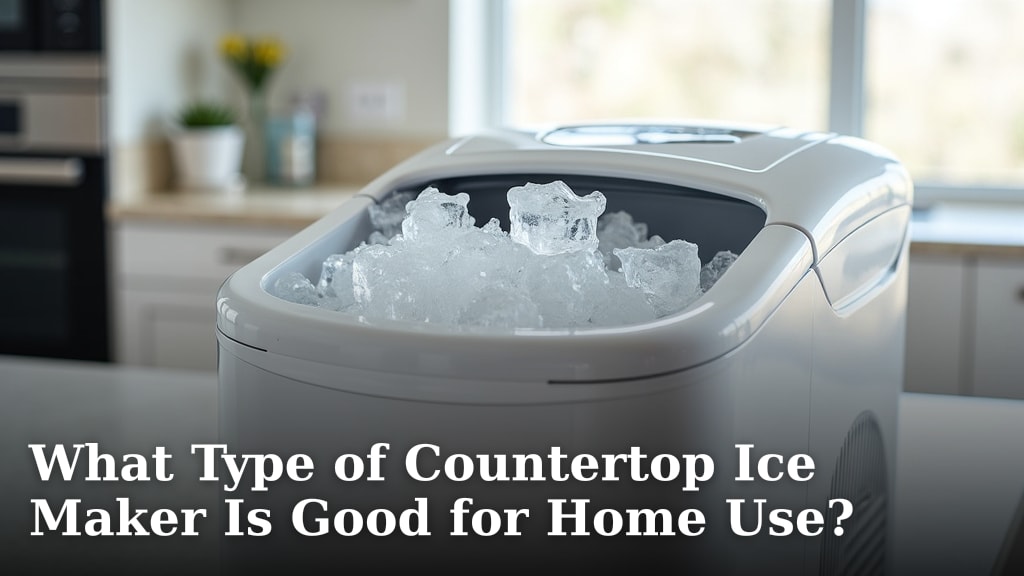
For home use, a good countertop ice maker is one that fits your space and makes the ice you actually need. The best type depends on your lifestyle and how much ice you drink. Think about how many cubes you want per day and where it will sit.
We found that countertop ice makers can be a game-changer for entertaining or just daily enjoyment. They offer quick ice production without needing a water line hookup. Consider ice shape, speed, and noise level to find the perfect fit for your kitchen counter. Our guide on whether countertop ice makers store ice explains how they handle their ice supply.
- Countertop ice makers are great for quick ice.
- Choose one based on your ice needs and counter space.
- Consider ice shape, speed, and how loud it is.
- No water line hookup is usually needed.
Let’s look at the different types and what to consider when choosing the right one for your home.
Finding the Right Countertop Ice Maker for Your Home
Choosing a countertop ice maker can feel overwhelming. But really, it’s about finding the one that best fits your daily life. We’ve researched many options to help you. Your ideal ice maker should match your ice consumption habits and your kitchen’s available space. Think about how much ice you use each day. This is the first step to narrowing down your choices.
You might be surprised by how much a good ice maker can improve your daily routine. Whether you love iced coffee, host parties, or just like to have plenty of ice on hand, there’s a model for you. No complicated plumbing is usually required. Just plug it in, add water, and you’re ready to go. Let’s look at the main types and what makes them suitable for home use.
Understanding the Main Types of Countertop Ice Makers
Most countertop ice makers fall into a few main categories. These categories are based on how they make ice and what kind of ice they produce. Knowing these differences will help you pick the right one.
The Nugget Ice Maker: The “Chewy” Ice Favorite
Nugget ice makers are hugely popular. They create soft, chewy ice often called “sonic ice” or “pebble ice.” This type of ice is porous. It absorbs drinks easily, which many people find enhances the flavor. It’s also quiet and pleasant to chew. If you love the ice from your favorite fast-food restaurant, this is likely the style for you.
Pros of Nugget Ice Makers
- Soft Texture: Easy to chew and blends well with drinks.
- Fast Production: Many models can produce ice quickly.
- Popular Choice: A crowd-pleaser for parties and personal use.
Cons of Nugget Ice Makers
- Storage: Ice melts faster than harder cubes. You may need to replenish the ice bin.
- Size: Can be larger than other types, taking up more counter space.
- Cost: Often a bit more expensive than basic models.
The Clear Ice Maker: The Elegant Cube
Clear ice makers focus on producing crystal-clear ice cubes. This is achieved through a more controlled freezing process. It often involves draining away impurities. Clear ice looks beautiful in drinks. It also melts slower than opaque ice. This is because it’s denser and has fewer air bubbles.
Pros of Clear Ice Makers
- Appearance: Visually appealing for cocktails and special occasions.
- Slow Melting: Keeps your drinks colder for longer without dilution.
- Purity: Often made with purified water, leading to cleaner tasting ice.
Cons of Clear Ice Makers
- Speed: Can be slower to produce than some other types.
- Hardness: Very hard ice can be loud in blenders.
- Maintenance: May require more frequent cleaning to maintain clarity.
The Standard Ice Maker: The Versatile Cube
These are the most common types you’ll find. They produce standard ice cubes, usually in a cube or crescent shape. They are a good all-around option for most households. They balance speed, ice quality, and ease of use. If you just need ice for your daily water glass or for general use, this is a solid choice.
Pros of Standard Ice Makers
- Balance: Good mix of ice production speed and ice quality.
- Affordability: Generally the most budget-friendly option.
- Ease of Use: Simple operation for everyday needs.
Cons of Standard Ice Makers
- Ice Shape: Cubes might be basic, lacking the appeal of nugget or clear ice.
- Melt Rate: Varies by model, but typically melts faster than dense clear ice.
Key Features to Consider for Your Home Ice Maker
Beyond the type of ice, several features will impact your experience. Think about what’s most important for your kitchen and your habits. We found these are the most frequently mentioned factors by users.
Ice Production Capacity: How Much Ice Do You Need?
Manufacturers list their ice production in pounds per 24 hours. This number can seem high, but it’s important to understand. It’s the maximum potential output. Consider your average daily ice use. If you host often, you’ll need a higher capacity. For a single person or a couple, a lower capacity might be fine. Many units can produce 25-50 pounds of ice per day. This is usually more than enough for most homes.
Many experts suggest calculating your needs. If you drink 10-15 glasses of ice water a day, that’s roughly 5-8 pounds. Add more for entertaining. Many units also have a “quick ice” feature for immediate needs. This can make a batch of ice in as little as 15-20 minutes.
Ice Shape and Size Options
As we discussed, ice comes in different shapes. Nugget ice is soft. Clear ice can be dense cubes. Standard machines might offer small, medium, or large cubes. Some even make bullet-shaped ice. Think about how you’ll use the ice. Small cubes are good for water bottles. Larger, denser cubes are better for cocktails. Nugget ice is great for everything. Some machines let you select the ice size.
Size and Footprint: Does It Fit Your Counter?
Countertop ice makers vary in size. Some are quite compact, similar to a large coffee maker. Others are bulkier, like a small countertop dishwasher. Measure your counter space before you buy. You’ll need room for the unit itself. Also, ensure there’s space for ventilation. Most units need airflow around them. Check the dimensions in the product specifications. A common size might be around 14 inches wide by 15 inches deep and 15 inches tall.
Noise Level: Is It Louder Than Your Refrigerator?
Ice makers have moving parts and a water pump. This means they make noise. Some are quieter than others. If your kitchen is open to your living area, noise might be a concern. Look for models that advertise quiet operation. Reviews often mention noise levels. We found that models with advanced compressors tend to be quieter. A normal operational noise might be around 40-50 decibels.
Water Reservoir vs. Direct Plumbing
Most countertop models use a removable water reservoir. You fill it up manually. This makes them easy to use anywhere. You just need an outlet and a place to pour water. Some higher-end models offer the option to connect to a direct water line. This means you don’t have to refill the reservoir. However, this setup is less common for countertop units and often requires professional installation.
For typical home use, a reservoir model is easiest. Just remember to keep it filled for continuous ice production. A handy tip: use filtered water for better-tasting ice and to reduce mineral buildup. This can also extend the life of your machine.
Ease of Cleaning and Maintenance
All ice makers need cleaning. This prevents mold, mildew, and scale buildup. Some models have self-cleaning functions. This can be a real time-saver. Others require manual cleaning. Look for removable parts that are dishwasher safe. A good cleaning schedule usually involves a deep clean every few months. This is essential for hygiene and performance. Many manufacturers recommend running a cleaning cycle monthly.
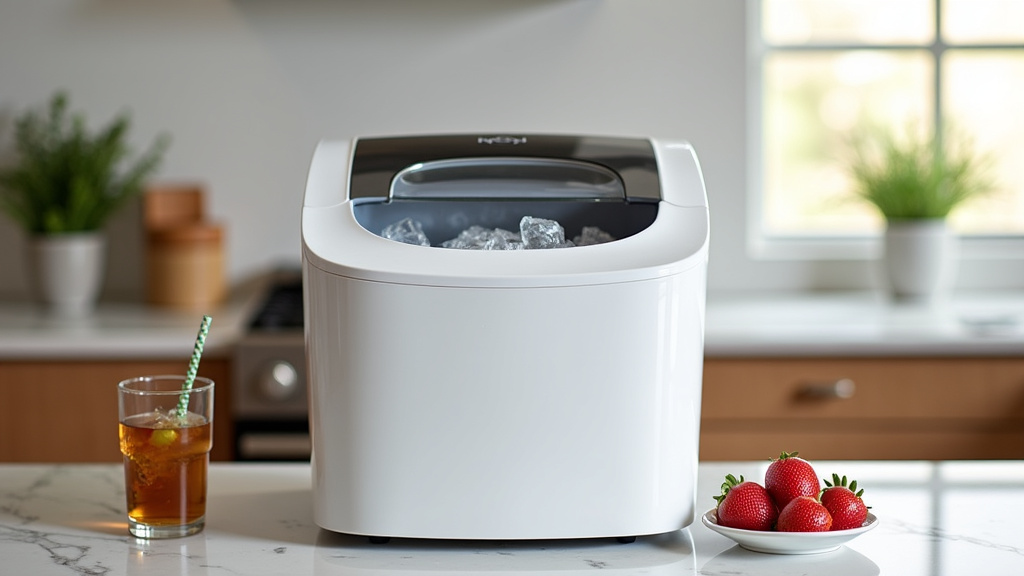
A Quick Checklist for Choosing Your Home Ice Maker
Here’s a quick way to summarize what to look for:
- Daily Ice Needs: Estimate how much ice you use each day.
- Counter Space: Measure your available space accurately.
- Ice Type Preference: Do you want nugget, clear, or standard cubes?
- Noise Tolerance: Consider how quiet the unit needs to be.
- Budget: Set a price range that works for you.
- Extra Features: Do you need a self-clean function or specific ice sizes?
Conclusion
Choosing the right countertop ice maker for your home comes down to your personal preferences and needs. You’ve learned about the different ice types, from the chewy nugget ice to the elegant clear cubes and versatile standard cubes. Think about how much ice you’ll use daily and how much space you have. Consider important features like production speed, noise level, and ease of cleaning. By weighing these factors, you can find a machine that makes your everyday drinks or special occasions even better. Your next step is to measure your counter and start comparing models that fit your ice-making goals.
Frequently Asked Questions
How often do I need to refill the water reservoir?
This depends on how much ice you make and the specific model. Most machines with a reservoir will need refilling after making a few batches of ice. You’ll want to keep it filled to ensure continuous production. Check your owner’s manual for specific guidance on your unit.
Can I use tap water in my countertop ice maker?
While you can use tap water, we recommend using filtered or distilled water. Using filtered water can improve the taste of your ice. It also helps prevent mineral buildup inside the machine. This can extend the life of your ice maker.
Are countertop ice makers noisy?
Countertop ice makers do make some noise during operation. This is due to the water pump and the ice-making process. Some models are designed to be quieter than others. If noise is a concern, look for models that specifically advertise quiet operation in their specifications.
How do I clean my countertop ice maker?
Regular cleaning is important for hygiene and performance. Most manufacturers recommend a monthly cleaning. You can usually do this by running a cleaning cycle with a vinegar and water solution. Then, rinse thoroughly and wipe down the interior. Always unplug the unit before cleaning.
Do countertop ice makers need to be drained when not in use?
Yes, it’s a good practice to drain excess water from the reservoir and the ice bin when you’re done using the machine. This prevents potential mold or mildew growth. Many units have a drain plug for easy emptying. Storing the unit dry can help keep it in good condition.