What Is the Difference Between an Ice Maker and Ice Machine?

Understanding Ice Makers vs. Ice Machines
At first glance, the terms ice maker and ice machine might seem like they mean the same thing. After all, they both produce ice. But when you’re shopping for one, the difference matters. It affects cost, installation, and how much ice you can get. This guide will break down the real distinction so you can pick the right appliance.
What Exactly Is an Ice Maker?
An ice maker is a standalone appliance designed with one primary job: to make ice. You plug it in, add water, and it starts a cycle. Most models for home use are compact and sit on a countertop or fit under a cabinet. They are essentially a single-purpose unit.
You’ll often find them at big-box stores or online. They come with a small built-in storage bin. Once that bin is full, production stops until you remove some ice. The key here is simplicity and convenience for everyday use.
How Home Ice Makers Typically Work
These devices use a small refrigeration system. Water is pumped into a mold, frozen into shape, and then released into the bin. The most common types you’ll encounter are:
- Countertop models: Portable, plug-and-play units that need only a standard outlet and a water reservoir or line.
- Undercounter models: Built to slide beneath a standard kitchen counter, often requiring a dedicated water line and drain.
We found that most household ice makers produce about 25 to 50 pounds of ice per day. They are perfect for families, home bars, or keeping drinks cold at a backyard party.
Best For: Home & Small-Space Use
Think of a standalone ice maker as your personal ice assistant. It’s ideal if your fridge’s built-in freezer can’t keep up with demand. It’s also great if you host gatherings often. The trade-off is capacity. A home unit’s storage bin usually holds 10 to 20 pounds of ice at a time.
Defining a Commercial Ice Machine
An ice machine (often called a commercial ice machine or ice maker unit) is a more powerful, heavy-duty system. It’s designed for businesses and high-demand settings. These are the units you see in restaurants, hotels, hospitals, and convenience stores. Their primary focus is high-volume, continuous ice production.
Commercial ice machines are rarely a single appliance. They are usually composed of two main parts: the ice maker head (where ice is formed) and a separate ice storage bin. They are built for durability and all-day operation.
Key Components of a Commercial System
Unlike a compact home model, a commercial setup involves installation. You’ll need to consider plumbing for water supply and drainage. Electrical requirements are often higher. Many systems also require specific clearance for ventilation to work efficiently. According to restaurant supply guidelines, proper installation is critical for longevity.
The Ice Head
This is the mechanical unit that actually freezes the water. It produces large quantities of ice in various shapes—cubes, nuggets, flakes, or solid blocks. The production rate here is significant, often measured in hundreds of pounds per 24 hours.
The Storage Bin
This is an insulated container that holds the finished ice. Bins come in different sizes to match the production of the ice head. They are designed to keep ice frozen for hours before it’s used. Some establishments might use an ice dispenser alongside the bin for easy access.
Key Differences at a Glance
To make it crystal clear, let’s compare them directly. This table shows the most important factors to consider for your decision.
| Feature | Home Ice Maker | Commercial Ice Machine |
|---|---|---|
| Primary Use | Residential kitchens, home bars, small offices | Restaurants, hotels, hospitals, bars, cafeterias |
| Daily Ice Output | ~25 to 50 lbs per day | ~200 to 1,500+ lbs per day |
| Storage Capacity | Small built-in bin (10-20 lbs) | Large separate bin (100-500+ lbs) |
| Installation | Plug-and-play; may need a water line | Requires professional plumbing & electrical |
| Price Range | $150 to $800 | $1,500 to $10,000+ |
| Durability | Designed for intermittent use | Designed for continuous, heavy-duty operation |
Why the Size and Scale Matter
The most obvious difference is scale. A home ice maker is like a reliable sedan—it gets you where you need to go for daily errands. A commercial ice machine is a heavy-duty truck built for constant hauling. You wouldn’t use a sedan for a cross-country move, right? Similarly, a countertop ice maker will struggle to fill a commercial cocktail cooler during a Friday night rush.
The engineering inside reflects this difference. Commercial units have larger compressors, more powerful condensers, and robust components meant to run for 18-24 hours straight. Home models are built for cycles, producing a batch and then resting.
Installation and Maintenance Requirements
Setting up these two appliances is a completely different experience. This is where many homeowners need to pay close attention to avoid problems.
Setting Up a Home Ice Maker
For most countertop models, installation is straightforward. You place it, fill the reservoir or connect a small water line (if included), plug it in, and press a button. Maintenance involves regular cleaning of the ice bin and interior with a mild solution, as recommended by manufacturers like GE and Whynter.
Installing a Commercial Ice Machine
This is not a DIY project for most people. You need to plan for:
- Proper plumbing: A dedicated cold water line and a floor drain or pump system.
- Electrical load: A dedicated circuit, often at a higher voltage.
- Ventilation: Enough space around the unit for heat to escape.
Many experts say that poor installation is a leading cause of commercial machine failure. These units also require professional servicing and filter changes to prevent scale buildup and ensure the ice is clean, as per NSF International standards.
Different Types of Ice They Produce
Both can make different ice shapes, but the options and consistency vary greatly. The type of ice you need depends on your use.
Common Ice Shapes from Home Makers
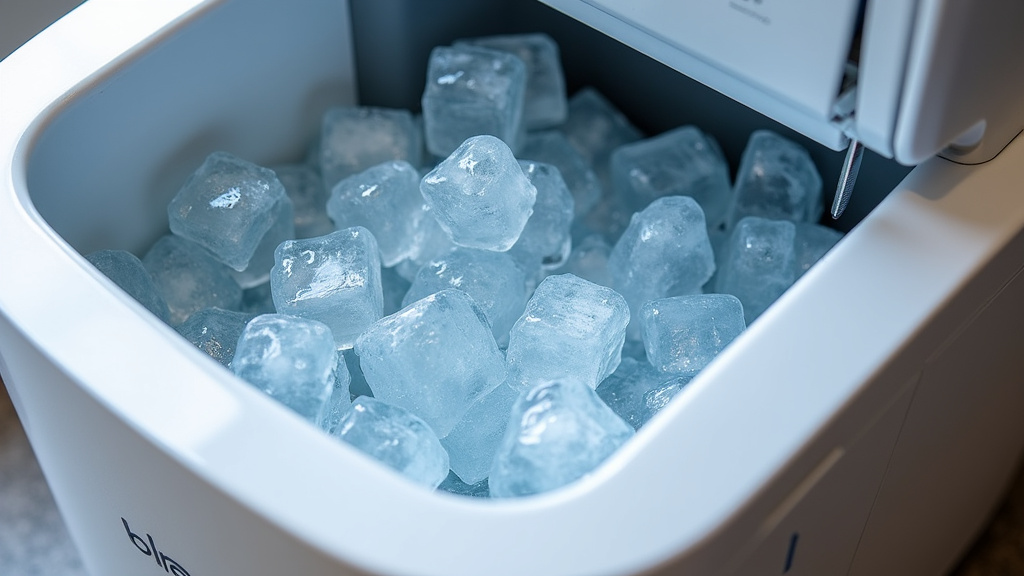
Most home units produce one or two styles, typically bullet-shaped or clear cube ice. The ice is often softer or more porous. It’s great for everyday drinks but melts faster than denser commercial ice.
Commercial Ice Variety
Commercial machines offer a wide menu. You can get:
- Full-size cubes: Classic, slow-melting ice for cocktails and soft drinks.
- Nugget ice (or “sonic ice”): Chewable, soft ice that’s popular in fast-food chains and healthcare.
- Flake ice: Crushed ice used for display cases, food prep, or therapeutic packs.
- Half-dice cubes: Small cubes for blending or high-volume drink dispensing.
The ability to produce specific ice types on a large scale is a key reason businesses invest in dedicated machines.
When Should You Buy a Home Ice Maker?
You should consider a standalone home ice maker if you find yourself frequently running out of ice from your freezer. It’s a great solution if you have a small family that enjoys iced drinks. A home ice maker is also a smart buy for anyone who entertains guests at home regularly. The convenience factor is high, and the upfront cost is reasonable.
It’s a simple upgrade that adds comfort without the complexity of a commercial installation. Just remember, it’s a supplement to your fridge, not a replacement.
When Is a Commercial Ice Machine Necessary?
You only need a commercial ice machine if you are operating a business where ice is a critical service. This includes restaurants, bars, cafes, and hotels. It’s also necessary in settings like healthcare facilities for patient care. The need arises when your daily ice demand consistently exceeds what a residential model can produce.
If your business is buying bags of ice multiple times a week, a commercial machine often pays for itself over time. It ensures you never have to turn a customer away because you ran out of ice.
Checklist: How to Choose the Right One for You
Still not sure? Ask yourself these simple questions. Your answers will point you in the right direction.
- What’s your primary need? Is it for your home kitchen or a business establishment?
- How many pounds of ice do you use per day? Estimate a typical busy day.
- What’s your budget? Include not just the purchase price, but also installation and water costs.
- Do you have space and access to water/drainage? Commercial units need more than just a plug.
- Do you need specific ice types? Like nugget or flake ice for a specific purpose.
- Are you prepared for maintenance? Commercial models require regular professional care.
By focusing on these core differences in purpose, scale, and setup, you can confidently choose the ice-producing appliance that truly fits your life or business.
Conclusion
The difference between an ice maker and an ice machine is all about scale and purpose. A home ice maker is your go-to for convenient, small-batch ice in a residential setting. A commercial ice machine is built for businesses needing high-volume, continuous ice production. Your decision should be based on your daily ice demand, available space, and budget. To move forward, use the checklist we provided to match your needs to the right appliance. Take the next step by assessing your ice usage and choosing the appliance that truly fits your lifestyle or business.
Frequently Asked Questions
Can I use a home ice maker for my small business?
It’s not ideal. Home ice makers have limited output and storage, which can’t keep up with business demand. For a small business, a commercial ice machine is a better investment to avoid running out of ice.
What type of ice is best for cocktails?
For cocktails, full-size cubes or clear ice are best. They melt slowly and won’t dilute drinks quickly. Commercial machines can produce these shapes, while home makers often make softer, faster-melting ice.
How much does it cost to run a commercial ice machine?
Costs vary, but commercial ice machines use more electricity and water. We found that monthly energy and water bills can be higher than home models. Factor in maintenance and professional servicing for accurate budgeting.
Do I need a water line for a home ice maker?
Some models require a water line, but many countertop ice makers use a manual-fill reservoir. Check the specifications before buying. Undercounter models often need a dedicated water line and drain for easier operation.
How often should I clean my ice machine?
Clean your ice machine regularly to prevent mold and mineral buildup. For home ice makers, follow the manufacturer’s guidelines, usually every few weeks. Commercial machines need professional cleaning and filter changes to maintain ice quality.