What Is a Portable Ice Maker and How Is It Used?
Understanding Portable Ice Makers
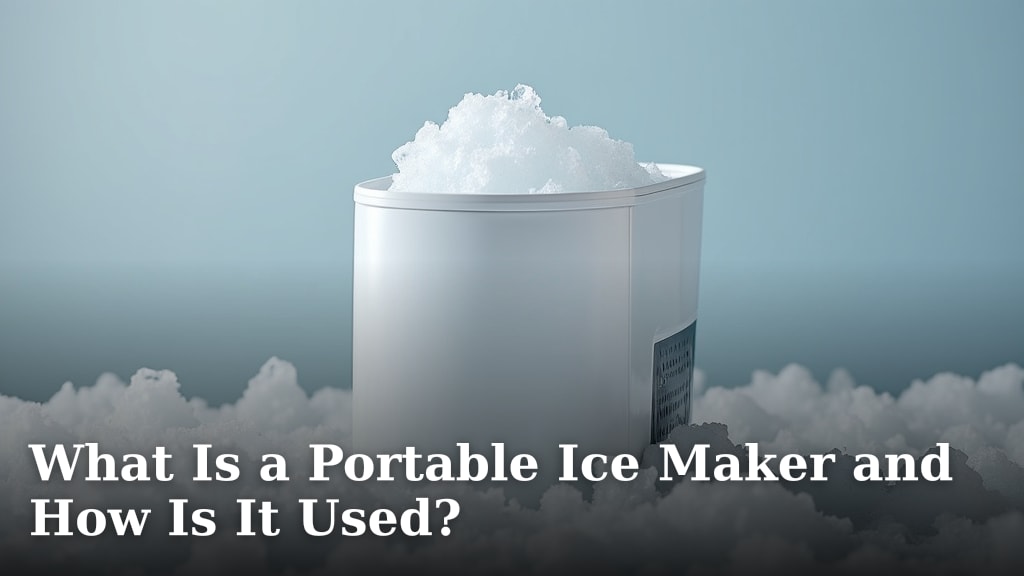
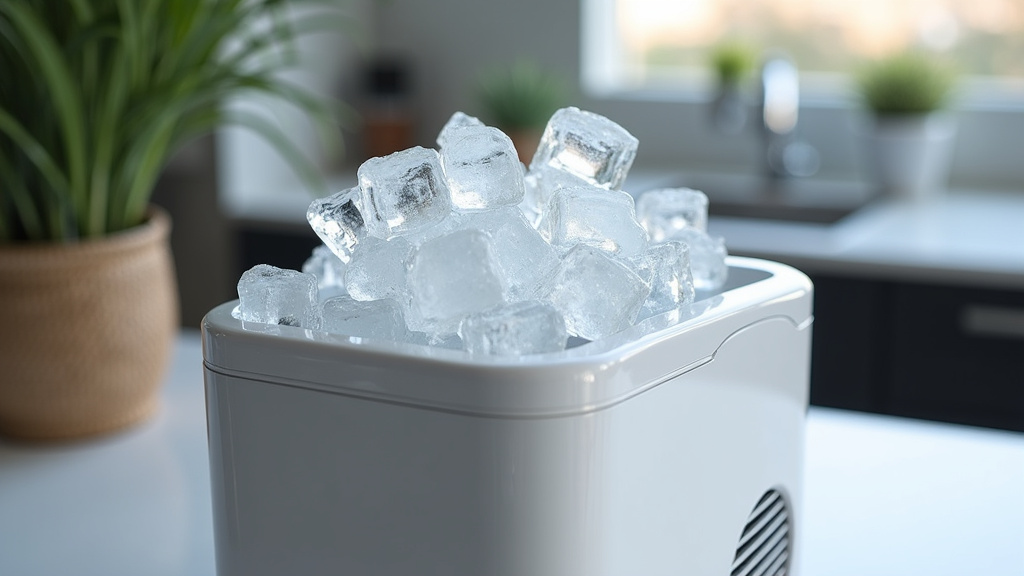
A portable ice maker is a countertop appliance that automatically freezes water into ice cubes and dispenses them into a built-in bin. Unlike a standard freezer’s ice maker, it does not require a dedicated water line. You simply fill its reservoir, plug it in, and get fresh ice in minutes. These devices are designed for convenience in homes, offices, RVs, and at outdoor events.
How a Portable Ice Maker Actually Works
The process is simple but clever. Most models use a refrigeration cycle similar to your refrigerator’s freezer, but optimized for speed. Understanding the steps helps you appreciate the appliance’s design and troubleshoot if needed.
The Core Cooling Components
Inside the unit, you’ll find a compressor, condenser, and evaporator. The compressor circulates a special coolant. This coolant absorbs heat from the water reservoir and releases it outside the machine via coils, usually at the back. This cycle is what makes the unit warm to the touch during operation.
The Water’s Journey to Ice
Water from the reservoir is pumped to the freezing tray or around the evaporator. The super-cold surface freezes the water into ice within 10 to 20 minutes. Once the ice is formed, it drops into the storage bin. The process then repeats to make more ice.
Common Uses and Ideal Settings
So, why choose a portable ice maker? We found their versatility makes them handy in many situations. They excel where a steady supply of fresh ice is needed without a large freezer.
- Home Entertainment: Perfect for parties, backyard BBQs, or keeping a cooler stocked on a hot day. You won’t have to constantly refill ice trays.
- Small Spaces: Ideal for dorm rooms, apartments, or home offices without an ice maker in the fridge. They use minimal counter space.
- Recreation: A popular accessory for RVs, boats, or campsites with power access. It provides ice wherever you travel. If you use it in RVs, boats, or campsites, our guide to running a portable ice maker on battery power explains how.
- Everyday Convenience: Many people use them daily for their ice-cold water, iced coffee, or to have ice ready in a moment’s notice.
Types of Ice Your Portable Maker Can Produce
Not all portable ice makers produce the same shape or size of ice. The type is determined by the machine’s design. Knowing the differences helps you match a machine to your preference.
| Ice Type | Description & Best For | Common In |
|---|---|---|
| Crescent-shaped | Half-moon pieces that are solid and melt slowly. Great for coolers and mixed drinks. | Most standard models. |
| Clear ice cubes | Crystal-clear, restaurant-style cubes that melt slower and look premium. | Premium countertop models. |
| Nugget ice | Chewable, pellet-shaped ice that absorbs drink flavor. A fan favorite for sodas and cocktails. | Specialized nugget ice makers. |
| Sonic ice | A brand name for nugget ice, popularized by the Sonic Drive-In chain. | Certain high-end models. |
Key Benefits Over Traditional Freezer Ice
Why not just use ice trays? We found several advantages that make these units worthwhile for many households.
- Speed and Volume: They produce a batch of ice in as little as 6-15 minutes, not hours. A typical unit can make 26 to 50 pounds of ice in 24 hours.
- Efficiency: You only make the ice you need. This can save energy compared to running a full-size freezer just for ice production.
- Flexibility: Place it anywhere with a standard electrical outlet. No need for plumbing or permanent installation.
- Freshness: The ice is made on demand, so it doesn’t sit in your freezer absorbing food odors over time.
Choosing Your First Portable Ice Maker
Shopping for one can feel overwhelming. Focus on these key features to find the right match for your needs. Consider where you’ll use it most.
Capacity and Output
Look at two numbers: the ice storage bin capacity and the daily production rate. A bin that holds 2-3 pounds is common. Daily output ranges from about 26 pounds up to 50 pounds. For a family or frequent use, aim for a higher daily output.
Ice Type and Size
Decide if you prefer chewable nuggets, classic cubes, or clear ice. Check if the model offers different ice size options. This adds versatility for different drinks.
Features and Convenience
Some helpful features include a digital control panel, a timer, or a self-cleaning function. A large, easy-to-fill water reservoir reduces how often you refill it. Also, check the noise level if it will be used in a quiet space.
A Step-by-Step Guide to Using It
Getting started is straightforward. Following these steps ensures optimal performance from day one. Think of it as a simple kitchen ritual.
Initial Setup and First Use
First, unpack the unit and wash the ice basket and scoop with warm, soapy water. Wipe the interior with a clean cloth. Never submerge the main unit in water. Place it on a stable, level surface with good ventilation.
The Daily Operation Cycle
Fill the water reservoir to the indicated line with cold tap water. Select your desired ice size if the option exists. Press the power button. The machine will whir to life and begin making ice. Once the bin is full, most units have an indicator light. Remove the ice promptly for best results.
Maintenance and Care for Longevity
Like any appliance, regular care keeps it running well. The U.S. FDA recommends cleaning appliances that handle food and ice regularly to prevent bacterial growth. Here is a simple routine.
- After Each Use: Use the included scoop, never your hands. Turn the unit off and unplug it when not in use for a long period.
- Weekly Cleaning: Empty leftover ice and let the remaining ice melt. Drain the water. Wipe the interior with a soft cloth and a solution of vinegar and water or a mild detergent. Rinse thoroughly.
- Monthly Deep Clean: Consider running a cleaning cycle with a manufacturer-approved descaling solution if you have hard water. Always refer to your specific model’s manual for cleaning instructions.
Tips for Best Results
A few pro tips can enhance your experience. We found these practices help with efficiency and ice quality.
- Use cold water to start. It helps the freezing process begin faster.
- Keep the unit in a cool, dry place away from direct sunlight or heat sources like a dishwasher. The cooler the room, the faster it works.
- Don’t overfill the reservoir. Use the fill line to prevent leaks and ensure proper operation.
- Store any unused ice in a freezer bag in your main freezer. The ice maker’s bin is not insulated for long-term storage.
- Listen for unusual sounds. A rattling noise might mean the unit isn’t level. A complete lack of sound could indicate a power issue.
Your Portable Ice Maker Checklist
Before you buy, use this quick checklist. It will help you evaluate options and ensure you get a model that fits your lifestyle perfectly.
- Primary Location: Where will you use it most? (Kitchen counter, RV, patio table, office break room)
- Daily Ice Need: Estimate how much ice your household or guests will use daily.
- Preferred Ice Style: Do you want chewable nuggets, classic cubes, or clear ice?
- Available Space: Measure the countertop or table space where it will live.
- Must-Have Features: Decide on essentials like a self-cleaning function or specific ice size options.
- Budget Range: Prices vary widely from basic to premium nugget ice models. Set a comfortable spending limit.
Conclusion
A portable ice maker is a simple, flexible appliance that provides fresh ice on demand. It works on your counter or table without special plumbing. You now understand how it makes ice quickly, the different types it can produce, and how to care for it. We found these units are a great solution for homes, offices, and outdoor fun. They eliminate the hassle of buying bags of ice or waiting for freezer trays.
Ready to enjoy the convenience? Use the checklist above to match a model to your needs. The right portable ice maker can keep your drinks perfectly cold with minimal effort.
Frequently Asked Questions
Can I leave a portable ice maker on all the time?
Yes, you can. Most models are designed to cycle on and off automatically to keep the bin full. They will only run when needed to make more ice or maintain temperature. We recommend unplugging it if you won’t use it for several days.
How loud are portable ice makers?
Noise levels vary by model and are similar to a quiet dishwasher or refrigerator. Basic units might produce a steady hum during operation. Premium models are often designed to be quieter. We suggest checking the decibel rating if sound is a concern for your space.
Do I need to use filtered water?
Using cold, clean tap water is perfectly fine for most people. However, if you have very hard water, filtered or bottled water can help prevent mineral buildup inside the machine. This can reduce the need for frequent descaling and may help with ice clarity.
How do I clean the machine properly?
Regular cleaning is simple. Empty old ice, wipe the interior with a vinegar-water solution, and rinse thoroughly. For a deep clean, especially in hard water areas, use a manufacturer-approved descaling solution. Always consult your specific model’s manual for detailed instructions.
Why is my ice melting so fast?
Portable ice makers are not freezers; their bins are insulated but not made for long-term storage. Ice can slowly sublimate. To keep ice longer, transfer it to a sealed bag in your main freezer. Also, ensure the unit is in a cool spot away from direct sunlight.