Is Clear Ice Safer to Drink Than Cloudy Ice?
Yes, clear ice is generally safer to drink than cloudy ice, especially if the cloudy ice is made with questionable water sources. Cloudy ice often contains trapped air and impurities from the water, which can affect its taste and potentially its safety. Clear ice, on the other hand, tends to have fewer impurities.
When ice is cloudy, it means that impurities like minerals, dissolved gases, and other particles were frozen into the ice. While not always harmful, these inclusions can make your drink taste a bit off. Clear ice forms when these impurities are pushed out during the freezing process, resulting in a cleaner look and often a cleaner taste.
- Cloudy ice can contain impurities from water.
- Clear ice typically freezes out impurities for better taste.
- Safety depends largely on the water quality used.
- Clear ice is often preferred for aesthetics and flavor.
Let’s break down exactly why this happens and what it means for your drink.
Understanding Clear vs. Cloudy Ice for Your Drinks
Generally speaking, clear ice is considered safer and better for drinking than cloudy ice. This often comes down to the quality of the water used. Cloudy ice can look unappetizing. It can also impact the flavor of your favorite beverages. Let’s dive into why this happens and what you should know.
Why Does Ice Turn Cloudy?
You’ve probably noticed that ice isn’t always crystal clear. Sometimes it’s cloudy, milky, or even opaque. This cloudiness is a visual cue about what’s happening inside the ice. It’s not just about appearances; it can tell you something about the water that froze.
Trapped Air and Dissolved Gases
The main culprit behind cloudy ice is trapped air and other dissolved gases. When water freezes, the molecules try to arrange themselves into a crystalline structure. Air and gases get in the way of this perfect arrangement. They become trapped within the ice crystals.
Think of it like trying to build a perfect Lego castle. If there are little pebbles or air bubbles mixed in, it makes the structure less uniform. The more air bubbles trapped, the whiter and cloudier the ice will look. This is often the biggest reason for that milky appearance.
Minerals and Other Impurities
Tap water, and even filtered water, contains dissolved minerals and sometimes other microscopic particles. These aren’t necessarily harmful. However, they are present in the water. As water freezes, these dissolved solids tend to get pushed to the center. They don’t freeze as easily as pure water.
Imagine boiling water. You often see a white residue left behind. That’s minerals. When water freezes, these minerals concentrate. They can make the ice cloudy, especially in the center. The higher the mineral content of your water, the more likely your ice will be cloudy.
The Freezing Process Matters
How quickly or slowly water freezes also plays a role. Rapid freezing can trap more air and impurities. Slower freezing gives dissolved gases and minerals more time to move out of the way. This allows for a more orderly crystal formation, which leads to clearer ice.
The Safety Connection: Clear Ice vs. Cloudy Ice
When we talk about safety, it’s important to remember that clear ice isn’t automatically “safe” and cloudy ice isn’t automatically “unsafe.” The safety of your ice largely depends on the quality of the water you start with. However, the cloudiness itself can be an indicator of what’s inside.
What Cloudy Ice Might Indicate
Cloudy ice is often a sign that impurities were present in the water and got frozen in. This could include dissolved solids like calcium and magnesium, or even just a lot of trapped air. If you’re using water from a questionable source, cloudiness could mean other things are frozen in too.
For example, if you’re making ice from well water that hasn’t been properly tested, cloudy ice might be trapping bacteria or other contaminants. While clear ice made from the same water could still have these issues, the cloudiness is a visual alert that the water wasn’t perfectly pure to begin with.
Clear Ice Often Means Fewer Trapped Contaminants
Clear ice forms when the freezing process effectively pushes out air and impurities. This means that the water molecules are forming a more organized, pure crystalline structure. Because the impurities are less likely to be trapped, clear ice typically has a cleaner taste and look.
Many experts suggest that if you’re concerned about the purity of your water, making clear ice can be a good way to get a better result. It’s a visual confirmation that the freezing process worked to exclude much of what wasn’t pure water. This is especially true if you’re using a method designed to create directional freezing.
Water Source is Key
Let’s be clear: the biggest factor in ice safety is the water source itself. If you use distilled water, your ice will likely be very clear, regardless of the freezing method. If you use water straight from a questionable pond, even the best ice-making technique might not make it safe.
The U.S. Centers for Disease Control and Prevention (CDC) recommends using safe, potable water for drinking and cooking. This advice extends to making ice. If your tap water is safe to drink, the ice made from it should also be safe, whether it’s clear or cloudy. However, clarity often means a better sensory experience.
How Ice Clarity Affects Your Drink’s Taste and Appearance
Beyond safety, the clarity of your ice can significantly impact your drinking experience. Ever taken a sip of a perfectly crafted cocktail and noticed a funny taste? The ice might be the culprit.
Flavor Impact of Cloudy Ice
Those trapped gases and dissolved minerals in cloudy ice can affect the taste of your beverage. They can leach into your drink as the ice melts. This might result in a slightly metallic or off-flavor. It can subtly alter the intended taste of your soda, whiskey, or cocktail.
Have you ever had ice that tasted like your freezer? That’s because ice is porous. It can absorb odors from the surrounding environment. Impurities already in the cloudy ice can make it even more susceptible to picking up unwanted flavors. Clear ice, being less porous, often absorbs fewer odors.
The Aesthetics of Clear Ice
Let’s face it, we eat with our eyes first. Clear ice looks more appealing. It enhances the presentation of any drink. A beautifully clear ice cube in a glass of iced coffee or a premium spirit just looks more sophisticated.
Many bartenders and mixologists prefer clear ice. It doesn’t distract from the color or clarity of the drink itself. It melts more slowly and predictably, which is important for maintaining the drink’s strength and temperature over time. This slower melt is due to the denser, more uniform crystal structure.
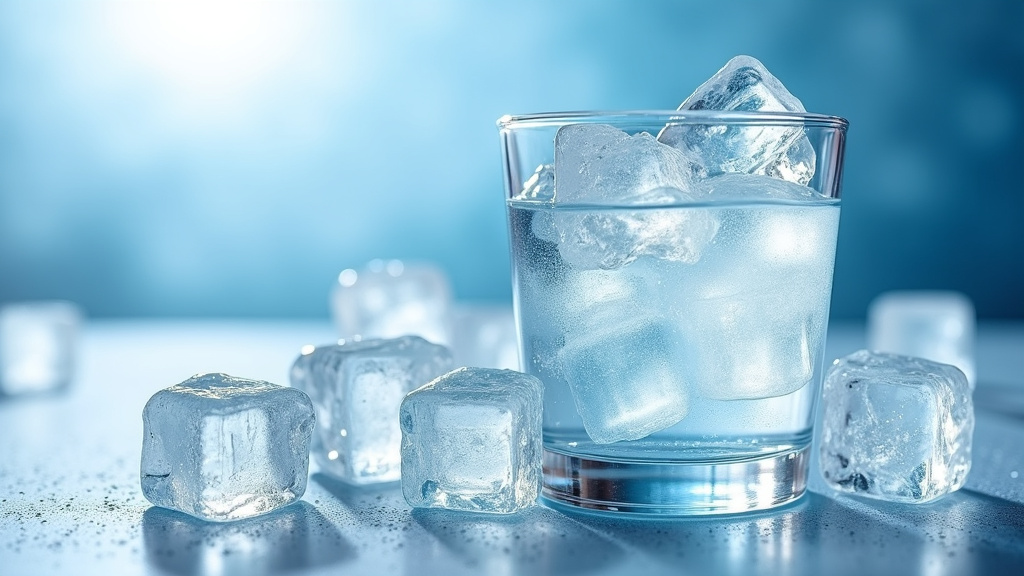
Making Clearer Ice at Home
The good news is that you can often make clearer ice at home, even with regular tap water. Several methods focus on forcing impurities and air out during the freezing process. This is often achieved through “directional freezing.”
The Directional Freezing Method
Directional freezing involves insulating the ice mold on most sides, forcing it to freeze from one direction (usually the top down). This pushes impurities and air bubbles towards the bottom, leaving the top portion clear.
Many specialized ice cube makers on the market utilize this principle. They often have an insulated outer casing. The water sits in trays above this insulation. As it freezes downwards, the contaminants are collected in a separate area. You can also achieve this with common household items, like a cooler.
Boiling Water (and Why It Might Not Be Enough)
Some people suggest boiling tap water before freezing it. Boiling does help to remove some dissolved gases. It can also help to drive off some volatile organic compounds. If you boil water twice, you can remove even more gases.
However, boiling doesn’t remove dissolved minerals. So, while it might help slightly, it won’t eliminate cloudiness caused by mineral content. For truly clear ice, directional freezing is generally more effective than just boiling the water.
Using Filtered or Distilled Water
Using filtered water (like from a Brita pitcher) or distilled water is a straightforward way to reduce impurities. These waters have fewer dissolved minerals and gases to begin with. This makes it easier for ice to freeze clear.
This is a simple step that many people already take for drinking water. If your goal is clearer, better-tasting ice, starting with purer water is a logical choice. You can then combine this with a directional freezing method for maximum clarity.
Quick Checklist for Better Ice
Want to improve your ice game? Here are a few simple steps you can take:
- Use filtered or distilled water for your ice trays.
- Consider a directional freezing ice maker.
- Ensure your freezer and ice trays are clean.
- Avoid overfilling your ice cube trays.
- Allow ice to freeze completely before removing.
- Store your ice in airtight containers to prevent odor absorption.
When to Be Concerned About Ice Cloudiness
While cloudy ice from your tap water is usually just a matter of aesthetics and taste, there are times when it might signal a real problem. If your cloudy ice has a strange smell or an unpleasant taste, pay attention.
If you notice unusual colors or particles within the cloudy ice, it’s worth investigating your water source. For most households with safe municipal water, this isn’t an issue. But if you use well water or are in an area with known water quality concerns, cloudy ice could be a sign to get your water tested. Regulatory bodies like the EPA provide guidelines on water safety. Always prioritize safe drinking water.
Conclusion
We’ve learned that while clear ice isn’t automatically safer and cloudy ice isn’t automatically unsafe, clarity often points to a better drinking experience. Cloudy ice usually means trapped air and impurities from your water. Clear ice tends to have fewer of these, leading to a cleaner taste and better appearance. Remember, the quality of your water source is the most important factor for safety. If you’re looking to upgrade your ice, try using filtered water or a directional freezing method. Your drinks will thank you for it!
Frequently Asked Questions
Does cloudy ice make you sick?
Cloudy ice made from safe drinking water is generally not harmful. The cloudiness usually comes from trapped air or minerals. However, if your water source is questionable, cloudiness could indicate other impurities, so it’s always best to use safe, potable water.
Can I make cloudy ice clear?
Yes, you can make clearer ice at home! Methods like directional freezing or using filtered water push impurities and air bubbles out of the ice as it forms. This process results in much clearer cubes.
Is ice made from distilled water always clear?
Ice made from distilled water is typically very clear. Distilled water has had most of its minerals and dissolved gases removed. This purity allows water molecules to form a more ordered crystalline structure as they freeze.
Does clear ice melt slower than cloudy ice?
Yes, clear ice often melts slower. This is because it has a denser, more uniform crystalline structure with fewer air pockets. Cloudy ice, with its trapped air and impurities, can sometimes melt a bit faster.
Is it safe to drink ice from a public water fountain?
If the public water fountain dispenses safe, potable drinking water according to local health standards, then the ice made from it should also be safe. Always check local guidelines if you have concerns about public water sources.