Is Chewing Ice Bad for Your Teeth Over Time?
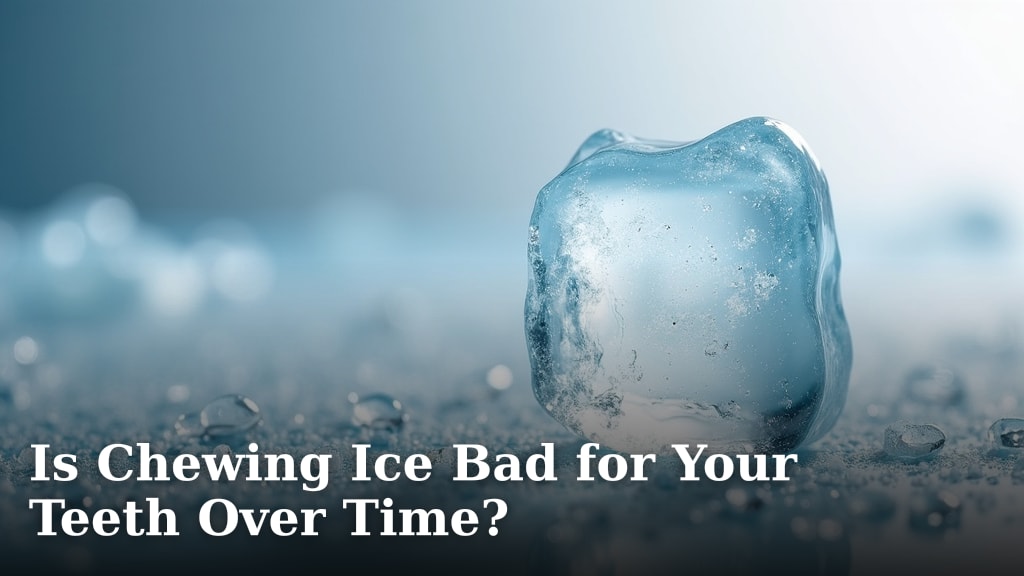
Yes, chewing ice can be bad for your teeth over time. The hard, frozen water can cause chipped or cracked enamel. It can also lead to tooth sensitivity.
Many people enjoy the crunch of ice. But dentists often warn against this habit. It puts unnecessary stress on your teeth. This can wear down your enamel faster than you might think.
- Chewing ice can damage tooth enamel.
- It may lead to chips, cracks, and sensitivity.
- Dentists generally advise against this habit.
- Consider alternatives if you crave a crunchy texture.
Let’s walk through exactly why chewing ice is a dental no-no and what you can do about it.
Is Chewing Ice Really That Bad for Your Teeth?
You’ve probably heard it before: chewing ice isn’t good for your teeth. But why? Is it just an old wives’ tale, or is there real dental science behind this common warning? We found that the answer is a solid yes, it’s bad. Chewing on hard, frozen water puts your teeth under extreme stress. This can lead to a surprising number of problems over time.
The Hard Truth About Ice and Enamel
Think of your tooth enamel as the protective shield for your teeth. It’s the hardest substance in your body, but it’s not indestructible. When you chew ice, you’re essentially biting down on something harder than most foods. This action can chip away at your enamel, much like using a hammer on a delicate carving. Over time, this repeated stress can weaken the enamel’s structure.
Enamel Erosion: A Slow Process
It’s not usually a single crunch that causes a major issue. Instead, it’s the cumulative effect of chewing ice regularly. Each time you bite down on ice, tiny fractures can form. These micro-cracks might not be visible, but they create weak points. Eventually, these weak points can lead to larger problems. Many dental professionals warn that this can accelerate wear on your teeth.
Sensitivity and Pain
As your enamel wears down, the layer beneath it, called dentin, becomes more exposed. Dentin contains tiny tubules that lead to the nerve center of your tooth. When these tubules are exposed, they can react to temperature changes. This is why you might start feeling sharp pains when you eat hot or cold foods after chewing ice. This sensitivity can become a persistent and uncomfortable issue.
How Chewing Ice Can Lead to Damage
Beyond just wearing down enamel, chewing ice can cause more immediate and dramatic damage. The force involved is often greater than what your teeth are designed to withstand for something other than biting food. We found that this can result in several types of dental issues.
Chipped or Cracked Teeth
This is perhaps the most common severe consequence. The sheer hardness of ice means that a sudden, strong bite can cause a chip or even a crack to appear on the surface of your tooth. These cracks can range from minor cosmetic flaws to deep fractures that extend into the tooth’s root. Repairing these can be costly and may involve fillings, crowns, or even root canals.
Broken Tooth Material
Sometimes, instead of just a chip, a larger piece of the tooth can break off. This is especially true for teeth that are already weakened by decay or previous dental work. A broken tooth can be painful and increases your risk of infection. It can also make chewing and speaking more difficult until it’s repaired by a dentist.
Damage to Dental Work
If you have dental work like fillings, crowns, or bridges, chewing ice can be particularly damaging. These restorations are strong, but they aren’t immune to the forces of biting hard objects. You could dislodge a filling or crack a crown. This means you’d need to visit your dentist to fix or replace the damaged dental work.
Why Do People Chew Ice?
It’s a common habit, and many people don’t even realize they’re doing it. For some, it’s a way to quench thirst. For others, it’s the satisfying crunchy texture they crave. We found that some people chew ice because they feel like they need to keep their mouths busy. A medical condition called pica can also lead to cravings for non-food items, including ice.
The Pica Connection
Pica is an eating disorder where people eat things that are not food and have no nutritional value. Chewing ice (known medically as pagophagia) is one form of pica. If you find yourself compulsively chewing ice, especially if you also crave other non-food items, it’s worth discussing with your doctor. Sometimes, pica can be linked to iron deficiency anemia. Research has shown that treating the underlying anemia can often reduce the craving for ice (NIH).
Dry Mouth and Ice Chewing
Another reason people chew ice is to combat dry mouth, or xerostomia. When your mouth feels dry, the sensation of cold, wet ice can be soothing. However, as we’ve discussed, chewing it is not the best solution for dry mouth in the long run. There are much safer ways to manage dry mouth that won’t harm your teeth.
Safer Alternatives for That Crunchy Fix
If you’re looking for something to crunch on, thankfully, there are many options that won’t put your teeth at risk. We found that choosing these alternatives can help you satisfy that urge without dental damage.
- Crunchy vegetables: Think carrot sticks, celery, or bell pepper strips. They offer a satisfying crunch and are good for you.
- Sugar-free gum: Chewing gum can help stimulate saliva flow, which is great for dry mouth. Choose sugar-free options to protect your teeth.
- Frozen fruit: Frozen grapes, berries, or small melon pieces can provide a cool, slightly crunchy treat.
- Hard candies (with caution): While not ideal for constant chewing, sucking on hard candies can be a temporary fix. Avoid biting them.
- Ice chips (not cubes): If you absolutely must have ice, opt for smaller, softer ice chips from a dentist-approved ice maker that doesn’t crush them into sharp edges. Still, try to limit this.
When to See Your Dentist
If you’ve been chewing ice and are experiencing any of the following, it’s time to schedule an appointment with your dentist:
- Tooth sensitivity to hot or cold
- Pain when biting down
- Visible chips or cracks on your teeth
- Loose teeth or fillings
- Persistent dry mouth
Your dentist can assess any damage that may have already occurred and recommend the best course of action. They can also offer advice on managing cravings or dry mouth safely.
Conclusion
So, is chewing ice bad for your teeth? The short answer is yes. We’ve learned that biting down on frozen water puts immense stress on your enamel. This habit can lead to uncomfortable sensitivity, painful chips, and even cracks over time. While the crunch might be satisfying, the long-term dental consequences are simply not worth the risk. If you find yourself craving that icy crunch or are struggling with dry mouth, we encourage you to try the safer alternatives we discussed. Making these small changes can protect your smile for years to come. If you’re experiencing any dental issues, don’t hesitate to schedule an appointment with your dentist.
Frequently Asked Questions
Can chewing ice actually break my teeth?
Yes, chewing ice can definitely cause your teeth to break. The force required to bite into frozen water is substantial. This can lead to chips, cracks, or even larger pieces of your tooth breaking off, especially if your teeth are already weakened.
Is chewing ice linked to any medical conditions?
Sometimes, a strong craving to chew ice, known as pagophagia, can be a sign of iron deficiency anemia. If you find yourself compulsively chewing ice, it’s a good idea to talk to your doctor to rule out any underlying medical issues.
How does chewing ice cause tooth sensitivity?
When you chew ice, it can wear down your tooth’s protective outer layer, the enamel. As enamel erodes, the sensitive inner layer called dentin becomes exposed. This exposure allows hot and cold sensations to reach the nerve, causing pain and sensitivity.
Are there any types of ice that are safer to chew?
Generally, no type of ice is truly safe to chew regularly. While softer ice chips might be slightly less damaging than hard cubes, any ice puts undue stress on your teeth. We recommend avoiding chewing ice altogether.
What should I do if I already chipped a tooth from chewing ice?
If you suspect you’ve chipped or cracked a tooth from chewing ice, it’s important to see your dentist as soon as possible. They can examine the damage, check for underlying issues like sensitivity, and recommend the best treatment to repair and protect your tooth.