How to Choose a Countertop Ice Maker Really?
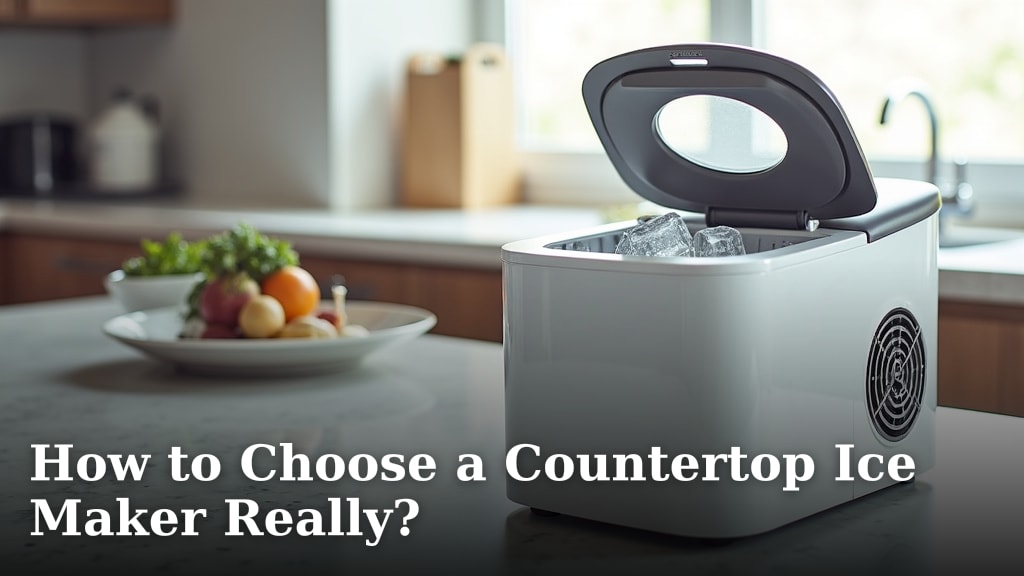
Choosing a countertop ice maker really comes down to matching your needs with what the machine offers. You’ll want to consider ice production speed, the type of ice it makes, and its size and storage capacity to find the best fit for your kitchen. It’s not as complicated as it seems, just a matter of knowing what to look for.
There are many countertop ice makers available, each with different features. Some are designed for high-volume use, while others are more compact for small spaces. We found that understanding these key differences will help you avoid buyer’s remorse and ensure you get a machine that makes ice quickly and efficiently for your household.
- How much ice do you need?
- What kind of ice do you prefer?
- Where will it sit in your kitchen?
- How fast do you need it?
- What’s your budget?
Let’s walk through the important factors to consider when picking out your perfect countertop ice maker, step by step.
Picking the Right Countertop Ice Maker for Your Kitchen
Selecting a countertop ice maker might seem tricky, but it’s mostly about matching the machine’s features to your lifestyle. Think about how much ice you’ll use and how quickly you need it. We found that understanding the main types and their capabilities makes the choice much clearer.
How Much Ice Do You Need and How Fast?
This is probably the biggest question you’ll ask yourself. Countertop ice makers vary a lot in how much ice they can produce per day. Some are designed for a family gathering, while others are better for daily use by a few people. If you often host parties or need a lot of ice for drinks, you’ll want a machine with a higher daily production rate.
Daily Ice Production Rates
Most ice makers state their production in pounds per day. A smaller unit might make around 25-30 pounds a day. Mid-range machines often hit 40-50 pounds. For serious ice needs, some can produce 70-100 pounds daily. Consider your typical ice consumption. Do you go through a few pounds a day, or many more?
Speed to First Batch
Beyond daily totals, look at how long it takes to make the first batch of ice. This is often called the “first batch time.” Some machines can deliver ice in as little as 7-15 minutes. This is great if you suddenly realize you’re out of ice for your evening drinks. Others might take 20-30 minutes. If you can plan ahead, a longer wait is fine. If you need ice on demand, speed is key.
How Much Ice Can It Hold?
Ice makers have a bin where the ice is stored. This bin capacity is separate from how much they make per day. A smaller bin might hold 1-2 pounds of ice. Larger ones can hold 5-10 pounds or even more. If your machine makes a lot of ice but has a small bin, it might be less convenient. The ice maker will cycle on and off to keep the bin full, but you’ll need to empty it more often.
What Kind of Ice Do You Want?
Not all ice is created equal. Countertop ice makers typically produce one or a few types of ice. The shape and density can affect how well it chills your drink and how quickly it melts. We found that understanding these differences helps you pick the ice that best suits your preference.
Common Ice Shapes and Styles
You’ll most often see three types of ice:
- Bullet Ice: This is a very common shape. It’s often slightly rounded on the ends, resembling a small bullet. It’s good for everyday drinks because it chills quickly but also melts relatively fast.
- Nugget Ice (or “Sonic Ice”): This ice is soft, chewy, and porous. It’s made by compressing and chewing ice flakes. Many people love this type for its texture and how it absorbs flavors. However, it melts faster than harder ice.
- Crescent Ice: This ice is shaped like a half-moon. It’s a harder ice that melts slower than bullet ice and is often used in restaurants. It fits well in glasses and doesn’t dilute drinks too quickly.
Ice Hardness and Melting Rate
Some ice makers create harder ice that melts more slowly. This is ideal if you like your drinks to stay cold for a long time without getting watered down. Nugget ice, as mentioned, is on the softer side and melts quickly. Bullet and crescent ice fall somewhere in between. Consider if you prefer your ice to last or if you’re okay with it melting and chilling your drink faster.
Where Will It Go? Size and Installation
Countertop ice makers are designed to sit on your kitchen counter or perhaps a bar top. But they still take up space. Measure carefully before you buy. You’ll need space not just for the unit itself but also for ventilation and to easily fill it with water and remove the ice basket.
Checking the Footprint
These machines can range from compact units that are about the size of a large coffee maker to larger appliances that are closer to a small microwave. Typical dimensions might be around 10-15 inches wide, 12-17 inches deep, and 15-20 inches tall. Always check the product specifications for the exact measurements. You don’t want to buy a machine only to find it doesn’t fit where you planned.
Room to Breathe: Ventilation Needs
Ice makers generate heat as they operate. They need air circulation to function efficiently and prevent overheating. Most manufacturers recommend leaving several inches of clearance around the sides, back, and top of the unit. Make sure your chosen spot has enough open space. Placing it too close to walls or other appliances can reduce performance.
Water: Direct Connection vs. Manual Fill
Most countertop ice makers are “plug and play.” You fill a water reservoir manually, and the machine does the rest. This is the simplest setup. However, some higher-end models offer a direct water line connection. This means the machine automatically refills itself from your home’s water supply. It’s more convenient for high-volume use but requires more complex installation, often involving plumbing.
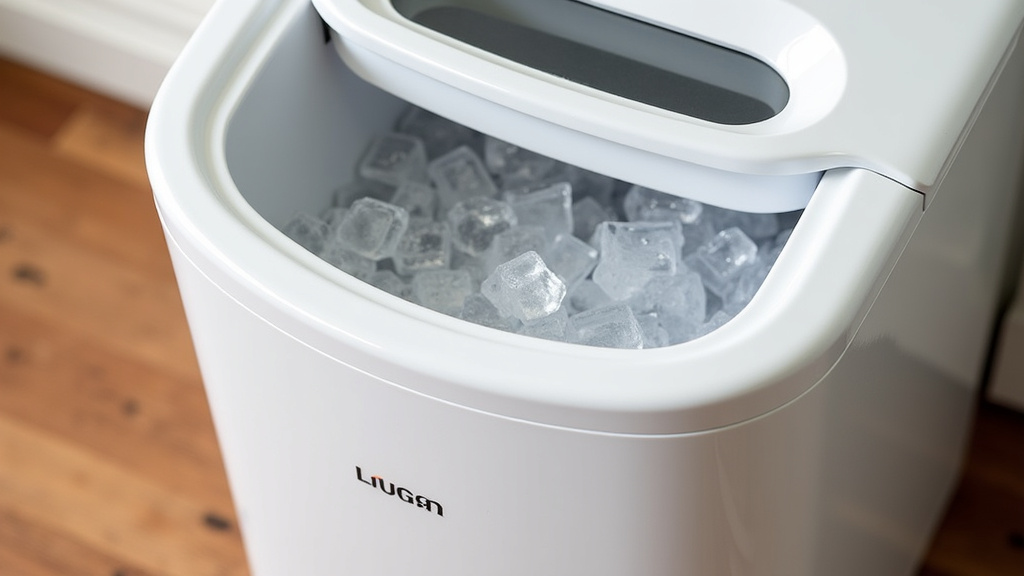
Extra Features That Make a Difference
Beyond the basics, ice makers come with various features that can enhance your experience. Some are purely functional, while others add a touch of convenience or style.
The Magic of Self-Cleaning
Keeping an ice maker clean is important for hygiene and performance. Many models now include a self-cleaning function. This often involves running a cleaning cycle with water and a cleaning solution. It can save you a lot of scrubbing time. We found this feature particularly helpful for maintaining the machine.
Alerts and Indicators
Look for features like an “ice full” indicator and a “water low” indicator. These lights or sounds let you know when the ice basket is full or when you need to add more water. This prevents overflows and ensures the machine can keep making ice without interruption.
Draining the Water
When you remove the ice basket, there’s usually some meltwater. Some units have a simple drain plug, while others might have a small pump to help you drain excess water faster. If you plan on moving the unit to empty it, a pump can be a helpful addition. Some units have a simple drain plug to help you empty excess water.
Listening In: Noise Considerations
Ice makers can make noise as they churn, drop ice, and run their compressors. If your kitchen is open to your living space, or if you’re sensitive to noise, look for models advertised as “quiet” or “low noise.” Some reviews mention specific noise levels, which can be a good indicator.
Your Countertop Ice Maker Checklist
To help you make your final decision, here’s a quick checklist to run through:
- Do you need to make a lot of ice daily, or just a little?
- How fast do you need the first batch of ice?
- What type of ice do you prefer (nugget, bullet, crescent)?
- Have you measured your counter space, including clearance for ventilation?
- Does it have convenient features like self-cleaning or indicator lights?
- What’s your budget? (Prices can range from $100 to $400+).
Conclusion
Choosing the right countertop ice maker boils down to understanding your own needs. You’ve learned about matching ice production speed to your lifestyle, the appeal of different ice types, and how size and placement impact your kitchen. Don’t forget to consider practical features like self-cleaning and noise levels. Think about what truly matters for your daily ice enjoyment.
Your next step is to review the checklist we provided. Measure your space, consider your budget, and prioritize the features that will make your life easier. You’re now ready to find a machine that delivers ice just the way you like it, every time.
Frequently Asked Questions
How often do I need to clean a countertop ice maker?
Most manufacturers recommend cleaning your ice maker every 2-3 weeks to ensure hygiene and optimal performance. If your model has a self-cleaning function, use it regularly as instructed. Regular cleaning prevents mineral buildup and keeps your ice tasting fresh.
Can a countertop ice maker be used outdoors or on a patio?
Generally, countertop ice makers are designed for indoor use. They need a stable, level surface and protection from extreme temperatures and weather elements. Exposing them to outdoor conditions can damage the unit and affect its ice-making capabilities.
What if my ice maker doesn’t make ice quickly enough?
First, check that the water reservoir is full and the machine is at the correct operating temperature. Ensure there’s proper ventilation around the unit. If issues persist, consult your owner’s manual for troubleshooting tips or contact customer support, as there might be a mechanical problem.
Is nugget ice worth the extra cost?
Nugget ice is a favorite for its unique texture and how it chills drinks. If you prioritize this softer, chewier ice and enjoy beverages with that characteristic melt, it can be worth it. However, if you prefer harder ice that melts slower, other types might be a better fit for your budget.
Do I need a water filter for my countertop ice maker?
While not all models come with built-in filters, using one can significantly improve the taste and quality of your ice. If your tap water has impurities or a strong taste, a water filter will help. Some machines have easy-to-replace filter options, or you can use an external filtered water pitcher to fill the reservoir.