How Is Nugget Ice Made and Why Is It Chewy?
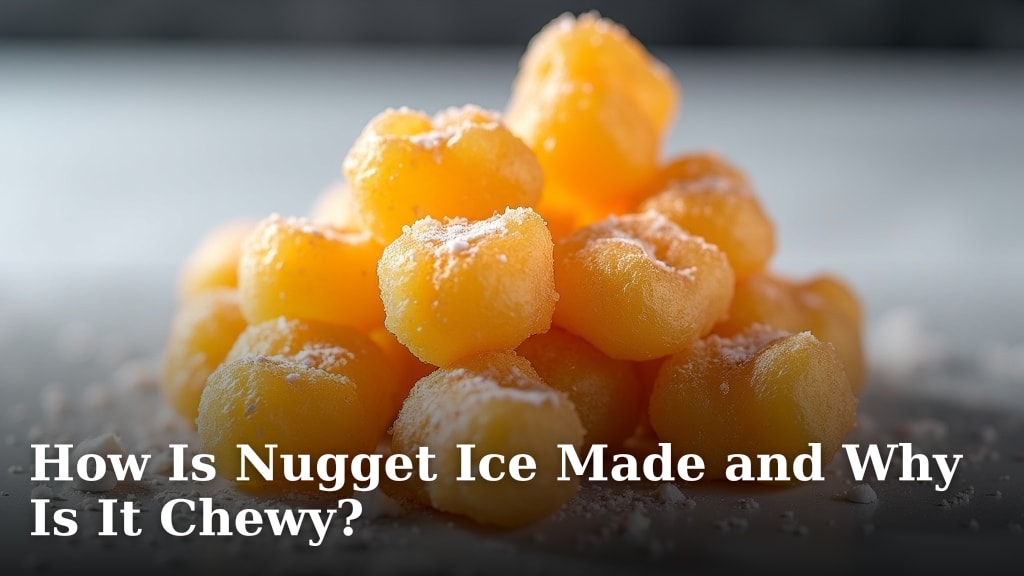
Nugget ice is made through a process of crushing and compressing ice shavings. This creates its signature soft, chewable texture. Nugget ice, also known as pellet ice or sonic ice, is popular because it absorbs flavors wonderfully, making your drinks extra refreshing.
Many people love nugget ice for its unique mouthfeel. Unlike hard, solid cubes, this ice is softer. It melts slower in your drink. We found that this texture makes it a favorite for sodas and cocktails alike. It’s the perfect ice for those who enjoy chewing their ice.
- Nugget ice is made by freezing water and then grinding it into small pieces.
- These pieces are then compressed into the soft, chewable nuggets we love.
- Its porous structure allows it to absorb drink flavors, enhancing your beverage.
- This unique texture makes it a favorite for many types of drinks.
- You might also hear it called pellet or sonic ice.
Ready to learn more about this delightful ice? Below, we break down exactly how nugget ice is made and what makes it so wonderfully chewy.
Understanding Nugget Ice Production and Its Chewy Nature
Have you ever wondered what makes nugget ice so wonderfully soft and chewable? It’s not magic, but rather a clever manufacturing process. This unique ice is made differently than the hard cubes you might get from a standard refrigerator ice maker. We’re going to break down exactly how it’s made and why it has that special, satisfying texture.
The Nugget Ice Manufacturing Process Explained
Nugget ice, also known as pellet ice or sonic ice, starts its journey as plain water. The key to its texture lies in how it’s frozen and then processed. It’s a two-step system that ensures that signature chewiness.
Step 1: Freezing and Shaving the Ice
First, water is frozen inside a special machine called an ice-making machine. Unlike home freezers that make solid ice, these machines are designed to produce ice in a different way. They freeze water onto a cold roller or a series of augers.
As the water freezes, it forms a thin layer of ice. This ice is then scraped or shaved off the cold surface. Think of it like making a giant frozen slushy. This shaving process creates small, irregular pieces of ice. These are often referred to as ice shavings or flakes. We found that this initial flaked ice is the raw material for the nuggets.
Step 2: Compressing the Ice Shavings
The real magic happens next. The ice shavings are then fed into a compression chamber. Here, a heavy plunger or auger presses them together with immense force. This compression is what gives the ice its shape and its unique texture.
When the ice shavings are compacted, they fuse together. Air pockets that were present in the shaved ice get squeezed out. This creates a much denser, yet still soft, ice pellet. The shape is often cylindrical, resembling tiny pebbles or nuggets. This compression process is why the ice is so satisfyingly chewy.
Many manufacturers use large, specialized machines for this process. These machines are built to handle the high pressures needed to form the ice nuggets. The result is ice that’s easy to bite into, unlike the hard, solid cubes from your freezer.
Why Does Nugget Ice Have a Chewy Texture?
The chewiness of nugget ice comes down to its structure. It’s not just about being soft; it’s about how that softness is achieved. The compression process plays a huge role.
The Role of Compression and Air Pockets
When ice shavings are compressed, they stick together. This process removes a lot of the air that was trapped within the individual ice flakes. Less trapped air means the ice is denser than plain shaved ice.
However, it doesn’t become as solid as a regular ice cube. The remaining moisture and the way the ice particles fuse create a texture that gives way easily when you bite it. It’s this balance that makes it so enjoyable to chew. We found that the slightly porous nature of the compressed ice allows for this unique feel.
Moisture Content and Its Effect
Nugget ice often has a slightly higher moisture content than traditional ice cubes. This moisture helps to bind the ice particles together during compression. It also contributes to the ice feeling softer and more yielding.
This moisture is what makes the ice feel smooth and less brittle. When you chew it, it doesn’t shatter like a hard ice cube. Instead, it has a pleasant, yielding quality. This is a key reason why people find it so addictive to chew.
Comparison: Nugget Ice vs. Traditional Ice Cubes
Let’s look at how nugget ice differs from the ice you might be used to:
| Feature | Nugget Ice | Traditional Ice Cubes |
|---|---|---|
| Manufacturing | Ice shavings compressed together | Water frozen solid in molds |
| Texture | Soft, chewy, porous | Hard, solid, dense |
| Biteability | Easy to bite and chew | Difficult to bite, can chip teeth |
| Melting Rate | Melts faster due to surface area and density | Melts slower due to density and fewer air pockets |
| Flavor Absorption | Absorbs flavors readily | Absorbs flavors slowly, if at all |
As you can see, the manufacturing difference directly impacts the final texture and characteristics. This is why nugget ice is often preferred for certain drinks and for people who enjoy chewing ice.
Why Nugget Ice Is So Popular
Beyond its texture, nugget ice offers several benefits that make it a favorite for many. Its unique properties enhance the drinking experience in several ways.
Superior Flavor Absorption Capabilities
The porous structure of nugget ice means it can soak up flavors from your drink. Think of it like a tiny sponge. As it sits in your soda or cocktail, it absorbs some of the liquid. This means you get little bursts of flavor as you chew on the ice.
We found that this makes drinks taste even better. The ice doesn’t just cool your drink; it becomes part of the flavor profile. This is especially noticeable with sodas, where the carbonation and sweetness are complemented by the flavored ice. Many beverage enthusiasts swear by it for this very reason.
Gentle on Your Teeth
One of the most appealing aspects of nugget ice is that it’s much safer to chew than hard ice cubes. Hard ice can be tough on your enamel and can even lead to chipped or broken teeth. The American Dental Association (ADA) often advises against chewing ice for this reason.
However, nugget ice is soft enough that it’s less likely to cause dental damage. Its yielding texture makes it much easier on your teeth. This allows those who enjoy chewing ice to do so with less worry. We found that dentists often recommend nugget ice as a safer alternative for ice chewers.
Ideal for Cocktails and Soft Drinks
The combination of flavor absorption and a pleasant texture makes nugget ice perfect for beverages. In cocktails, it chills the drink evenly and adds a subtle layer of flavor. It also provides a satisfying chew that can enhance the overall experience.
For soft drinks, it’s a match made in heaven. The way it absorbs the soda and its gentle chewability make every sip and chew a delight. It’s why you often see it served at popular fast-food chains and ice cream shops. It simply makes the drink experience more enjoyable.
Making Nugget Ice at Home?
While the commercial process is complex, there are now home machines designed to make nugget ice. These machines replicate the shaving and compression process on a smaller scale. They can be a fun addition for anyone who loves this type of ice.
We found that some of these home units can be a bit noisy. They also require regular cleaning to maintain performance. But for dedicated nugget ice fans, the convenience of having it on hand is often worth it. It allows you to enjoy your favorite drinks with that signature ice texture anytime you want.
Key Takeaways for Nugget Ice Fans
Here’s a quick recap of what makes nugget ice special:
- It’s made by shaving ice and then compressing it.
- This compression gives it a soft, chewy texture.
- The porous structure allows it to absorb drink flavors.
- It’s much gentler on your teeth than hard ice cubes.
- It’s the perfect ice for enjoying sodas, cocktails, and more.
Conclusion
You now understand that nugget ice isn’t just a fun texture; it’s a result of a smart two-step process. By shaving ice into small pieces and then compressing them, manufacturers create that uniquely soft, chewy quality. We found this process is key to its ability to absorb flavors and its gentler nature on your teeth compared to hard cubes. If you’re a fan of this delightful ice, consider if a home nugget ice maker might be a good fit for your kitchen. You can enjoy your favorite drinks with that perfect chew anytime!
Frequently Asked Questions
Can I make nugget ice at home?
Yes, you can! Special home machines are available that mimic the commercial process of shaving and compressing ice. While they can be a bit noisy, they allow you to have fresh nugget ice readily on hand for your drinks.
Why is nugget ice better for chewing?
Nugget ice is much softer and more yielding than traditional ice cubes due to the compression process. This makes it significantly less likely to cause dental damage, such as chipped teeth, when you chew it.
Does nugget ice melt faster than regular ice?
Yes, nugget ice tends to melt faster. Its structure, created by compressed shavings, has more surface area and is slightly less dense than a solid ice cube, causing it to cool your drink quickly and melt away.
What’s the difference between nugget ice and crushed ice?
While both are smaller than ice cubes, nugget ice is formed by compressing ice shavings, giving it a cohesive, chewy texture. Crushed ice is simply ice that has been broken into small pieces, retaining a more brittle, sharp quality.
How does the texture of nugget ice help drinks taste better?
The porous structure of nugget ice acts like a tiny sponge, absorbing the flavors of your beverage. As you chew, you get little bursts of that drink flavor, enhancing the overall taste experience.