How Do Restaurants Make Clear Ice Really?
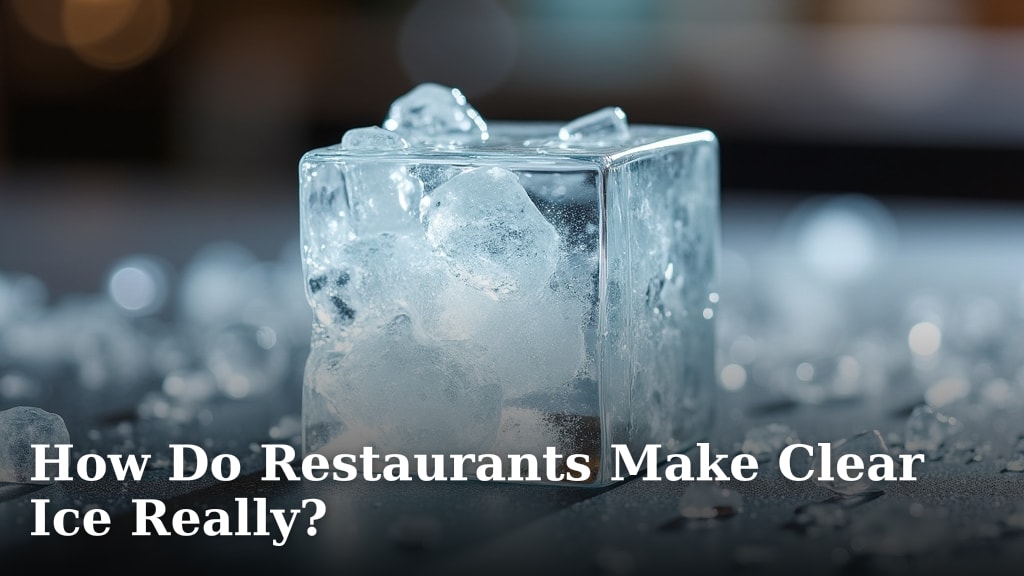
Restaurants make clear ice by using special techniques that remove air bubbles and impurities. This process often involves directional freezing, which pushes impurities to one side of the ice. The result is ice that is crystal clear and melts slower, keeping your drinks perfectly chilled. Many bars and high-end eateries use these methods.
The magic behind clear ice isn’t really magic at all. It’s all about controlling how the water freezes. By carefully managing the freezing process, you can avoid the cloudy look that comes from trapped air. This makes for a much more appealing drink and a better experience for your guests. We found that the method matters a lot.
- Clear ice is made by removing air bubbles and impurities.
- Directional freezing is a key technique restaurants use.
- This results in ice that looks better and melts slower.
- It’s a simple process focused on controlling how water freezes.
Let’s walk through exactly how restaurants achieve that impressive, crystal-clear ice for your favorite beverages.
The Science Behind Restaurant Clear Ice
You’ve likely seen it: a perfectly clear ice cube clinking in your drink at a nice restaurant or bar. It looks amazing, doesn’t it? It also melts slower, keeping your beverage from getting watered down too quickly. So, how do they do it? Restaurants achieve this crystal-clear ice by using special freezing methods. These techniques focus on removing air bubbles and impurities that make regular ice cloudy. We found that understanding the freezing process is key to getting clear ice at home, too.
Understanding Why Ice Gets Cloudy
Most ice you make at home is cloudy because of trapped air and dissolved minerals. When water freezes, the impurities get pushed to the center. Air bubbles get caught in the ice crystals. This creates that opaque, white look you’re used to. Think of it like a busy city street; when it freezes quickly, everyone gets stuck. But if you could guide everyone to the edges, the middle would be clear. That’s the basic idea behind clear ice making.
The Role of Air Bubbles
Air is naturally dissolved in water. It’s not visible, but it’s there. When water freezes, the air can’t easily fit into the ice crystal structure. It gets pushed around. If water freezes from all sides at once, like in a standard home freezer, air pockets get trapped. These pockets scatter light, making the ice look cloudy or white. We found that minimizing air bubble capture is the first step to clear ice.
Minerals and Impurities Matter
Tap water contains dissolved minerals and other impurities. These aren’t harmful, but they do affect how ice freezes and looks. Like air, these impurities can’t form ice crystals easily. They tend to gather in the water that hasn’t frozen yet. As freezing continues, these impurities become more concentrated. They end up forming the cloudy parts of the ice. Many experts agree that starting with purer water helps. However, even tap water can produce clear ice with the right method.
Directional Freezing: The Restaurant’s Secret Weapon
The most common method restaurants use is called directional freezing. This technique allows water to freeze slowly in one direction. This single direction pushes impurities and air bubbles away from the main freezing area. The result is a solid block of clear ice. We found that this controlled freezing is far more effective than random freezing.
How Directional Freezing Works
Imagine freezing a cup of water. If it freezes from the top down and sides inward, impurities get trapped everywhere. Directional freezing usually involves an insulated container. One side is exposed to the cold, allowing it to freeze first. The other sides are insulated. This forces the freezing to move in a specific direction. As the ice forms, it pushes the air and impurities towards the un-frozen part of the water. Many craft ice makers and bars use this principle.
The Insulated Cooler Method
A popular way to achieve directional freezing is by using an insulated cooler. You fill a small container (like a plastic cup or a small food container) with water. Then, you place this smaller container inside a larger, insulated cooler. You fill the space between the two containers with more water. This larger body of water acts as a buffer and allows the inner container to freeze slowly from the bottom up or side to side. We found this method is a popular DIY approach for clear ice.
The “Double Freezer” Technique
Another approach involves two freezing stages. First, you freeze a container of water in your freezer until it’s mostly solid but still has liquid water in the center. This initial freezing pushes most impurities to that liquid core. Then, you pour off the cloudy, slushy liquid. You are left with a clear, solid block of ice. You can then re-freeze this clear block to get perfectly transparent ice. We found that this two-step process is quite effective for clear results.
The Importance of Slow Freezing
Regardless of the specific setup, slow freezing is crucial. Fast freezing traps air and impurities quickly. Slow freezing gives the water molecules more time to arrange themselves into ice crystals. It also gives the impurities and air bubbles more time to move out of the way. Many experts say that freezing water slowly is the most important factor. We found that lowering your freezer temperature slightly can speed up freezing, but it can also lead to cloudier ice. For clear ice, slower is better.
Specialized Equipment for Clear Ice
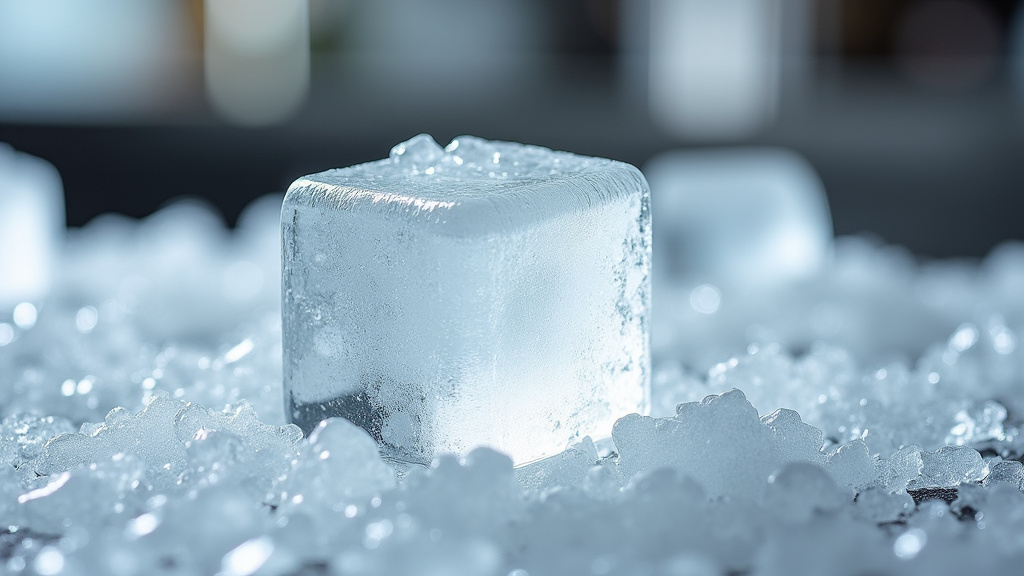
While DIY methods work, many restaurants and bars invest in specialized clear ice machines. These machines are designed to create large, clear ice blocks or specific shapes with minimal effort. They automate the directional freezing process.
Clear Ice Machines Explained
These machines often look like commercial ice makers. However, their internal mechanisms are different. They typically use a system where water is circulated or slowly frozen from one direction. Some machines use a “top-down” freezing method. Others use insulated tanks and controlled water flow. We found that these machines produce consistent results but come at a higher cost. They are built for commercial use where volume and quality are both essential.
Why Clear Ice Makes a Difference
Beyond aesthetics, clear ice offers functional benefits. It melts slower than cloudy ice. This means your drink stays colder for longer without becoming diluted. For bartenders, this means less frequent ice refills. For patrons, it means a better-tasting drink from the first sip to the last. Many high-end establishments believe that clear ice enhances the entire drinking experience. We found that the visual appeal alone can make a drink seem more refined.
Tips for Making Clear Ice at Home
You don’t need a fancy machine to make clear ice. With a little patience and the right technique, you can achieve impressive results in your own freezer. Here’s a simple checklist to guide you:
- Use purified or distilled water for the purest results.
- Boiling water twice can help remove dissolved gases, leading to clearer ice. Let it cool completely between boils.
- Consider using a small insulated cooler or a clear ice mold.
- Always freeze slowly. Avoid overcrowding your freezer.
- When your clear ice block is ready, use a serrated knife or ice pick to carefully break it into smaller cubes.
Following these steps can help you recreate that restaurant-quality clear ice for your own home-brewed cocktails and beverages. We found that consistency comes with practice, so don’t be discouraged if your first few attempts aren’t perfect.
| Method | Pros | Cons | Difficulty |
|---|---|---|---|
| Insulated Cooler | Inexpensive, simple setup | Requires more space, can be time-consuming | Easy |
| Double Freezer Stage | Uses standard containers, good clarity | Takes two freezing cycles, involves pouring off water | Medium |
| Boiled Water Technique | Improves clarity with any method | Requires extra steps and waiting time | Easy |
| Specialized Machine | Automated, consistent large blocks | Expensive, takes up space | Very Easy (once set up) |
Conclusion
You now know that achieving crystal-clear ice isn’t some exclusive restaurant secret. It’s all about directional freezing and controlling the freezing process to push out impurities and air bubbles. Whether you use a simple insulated cooler or a more advanced technique, slowing down freezing is key. We found that by applying these methods, you can easily make impressive clear ice at home. Start with a simple insulated cooler setup this weekend and see the difference for yourself!
Frequently Asked Questions
Can I make clear ice with just regular tap water?
Yes, you absolutely can! While purified or distilled water can help, the main factor is the freezing method. Directional freezing techniques are effective at removing impurities from standard tap water. We found that even with tap water, you can achieve remarkably clear ice.
How long does it take to make clear ice using the insulated cooler method?
It typically takes about 24-36 hours for the water to freeze solid using the insulated cooler method. The exact time depends on your freezer’s temperature and the size of your setup. We found that patience is key for this slower freezing process.
Is clear ice really better than cloudy ice for drinks?
Many people find clear ice enhances the drinking experience. Because it melts slower, it dilutes your drink less. This means your beverage stays colder and tastier for longer. We found that the visual appeal alone makes drinks look more professional and appealing.
Why do I need to boil water twice for clearer ice?
Boiling water helps to remove dissolved gases like air. When water freezes, these gases get trapped, causing cloudiness. Boiling it twice and letting it cool between boils removes more of these gases. We found this step can noticeably improve clarity, especially when combined with directional freezing.
Can I use silicone ice molds to make clear ice?
Standard silicone ice molds usually freeze from all sides, trapping air and impurities. For clear ice, you’ll want to use molds specifically designed for directional freezing or create your own clear ice block first. You can then cut or shape that block into desired sizes. We found that dedicated clear ice molds work best for cube shapes.