Can You Use a Portable Ice Maker in an Rv?
Yes, you can absolutely use a portable ice maker in an RV. Many RV owners find them a fantastic addition for enjoying cold drinks on the road. These compact appliances can make ice quickly using your RV’s water supply and power.
Finding the right model is key to a great RV experience. You’ll want to consider factors like ice production capacity, size, and how much power it uses. Many are designed to be energy efficient, which is important for RV living.
TL;DR:
- Yes, portable ice makers work great in RVs.
- They’re convenient for cold drinks while camping.
- Look for compact, energy-efficient models.
- Check water needs and ice output.
- They can run on shore power or generators.
Let’s walk through everything you need to know about using a portable ice maker in your RV.
Your RV and a Portable Ice Maker: A Perfect Match?
So, you’re wondering if you can bring that convenient countertop ice maker on your next RV adventure. The short answer is a resounding yes! Many RVers have discovered how portable ice makers can seriously upgrade their camping experience. Imagine having a steady supply of ice for your iced coffee in the morning or your evening cocktails without having to ration frozen water bags. It’s totally achievable and can make your travels much more comfortable. It’s totally achievable and can make your travels much more comfortable, but consider if the ice maker will store ice or only make it.
Using a portable ice maker in an RV is a lot like using one at home. You just need a water source and a power outlet. The key differences and considerations come down to the unique environment of an RV. We’ll cover what you need to think about to make sure it works smoothly for you. It’s all about finding the right setup for your mobile lifestyle.
How RV Power and Water Affect Ice Maker Use
Your RV’s power and water systems are a bit different from a typical house. This is where you’ll need to pay attention. Understanding these differences will help you choose the right ice maker and use it without any hiccups.
Powering Your Portable Ice Maker
Most portable ice makers run on standard household electricity. This means they’ll work when you’re plugged into shore power at a campground. This is the easiest and most reliable way to power your ice maker. You get consistent, strong power, just like at home. This allows the ice maker to run at its full capacity and make ice efficiently.
What about when you’re off the grid? Many RVers use generators to provide power when not connected to shore power. If you plan to run your ice maker this way, you’ll need to check the generator’s wattage. Portable ice makers typically use between 100 to 200 watts while actively making ice. It’s wise to get a generator that can handle the ice maker’s power draw plus any other appliances you might be using simultaneously. A quiet generator is often preferred in campgrounds to avoid disturbing neighbors.
Battery power and inverter systems are also an option, but this is usually less practical for ice makers. They consume a good amount of power. Running an ice maker for an extended period on batteries alone would drain them very quickly. You’d need a very large and robust battery bank and a powerful inverter. Most people find this setup more for essential appliances rather than convenience items like ice makers. Researching the wattage requirements of the specific ice maker model you’re considering is essential here.
Water Sources for RV Ice Makers
Portable ice makers need water to make ice, and in an RV, you have a few options. The most common method is to use the RV’s fresh water tank. You can connect a hose from your RV’s water pump system directly to the ice maker’s water reservoir. This is super convenient as long as your fresh water tank is filled. Just make sure your RV’s water is potable (safe to drink) since you’ll be using it for ice.
You can also fill the ice maker’s water bin manually. This involves using jugs of water or filling it from a campground spigot. This is a good option if you’re concerned about the taste of your RV’s stored water or if you’re running low. It requires a bit more effort but gives you control over the water quality. Some RVers prefer to use filtered water for their ice, especially if they are particular about taste or purity.
Important Note: Never connect a portable ice maker directly to a pressurized campground water source without a regulator. RV water systems are designed for lower pressure. High pressure can damage the ice maker or your RV’s plumbing. Always check your RV’s manual or consult a professional if you’re unsure about water connections.
Key Features to Look For in an RV-Friendly Ice Maker
When you’re shopping for a portable ice maker for your RV, a few features stand out as particularly important. Think of these as your checklist for finding a model that fits right into your mobile living space and lifestyle.
Size and Portability
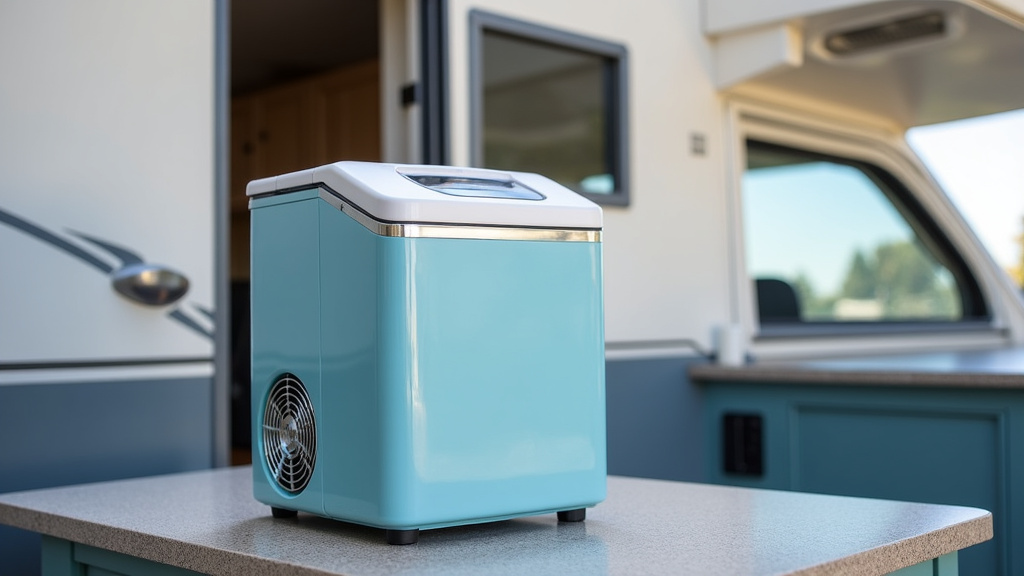
The most obvious factor is size. RVs have limited counter and storage space. You’ll want a model that is compact and lightweight enough to fit comfortably on your countertop without taking up the whole surface. It should also be easy to store when not in use. Many models are designed to be about the size of a large coffee maker, which is usually a good fit for RV kitchens. Measure your available counter space and storage cabinets before you buy!
Ice Production Capacity
How much ice do you need? Portable ice makers typically list their ice production in pounds per day and the time it takes to make the first batch. For an RV, you probably don’t need the industrial-sized output of some home units. A machine that makes around 25-30 pounds of ice per day is usually plenty for a couple of people. Smaller units might make ice in as little as 6-8 minutes. Consider how often you’ll be using it and how many people are in your RV.
Energy Efficiency
This is a big one for RVers, especially if you rely on battery power or generators. Look for ice makers that are energy efficient. Manufacturers often provide energy consumption ratings. While they might not have official ENERGY STAR ratings like refrigerators, some models are designed to use less power. Lower wattage means less strain on your generator or batteries. This can be a significant factor in your overall power management strategy while camping.
Water Requirements and Ice Type
Check the water reservoir size. A larger reservoir means you can make more ice between refills if you’re manually filling it. Also, consider the type of ice produced. Most portable ice makers make bullet-shaped ice. Some offer different sizes. All ice produced is generally water-safe if you use potable water. Ensure the ice maker is easy to clean, as regular maintenance is key to keeping it in good working order in the humid RV environment.
Setting Up and Using Your Ice Maker in an RV
Getting your portable ice maker ready to go in your RV is straightforward. A little preparation makes all the difference for a smooth experience.
Initial Setup and Testing
Before you leave for your trip, it’s a great idea to set up your ice maker at home. This lets you check if it’s working correctly and get familiar with its operation. Follow the manufacturer’s instructions for the first use. This often involves cleaning the unit and running a few cycles with fresh water to flush out any manufacturing residues. Doing this at home means you won’t be troubleshooting a new appliance on your first day of vacation.
Placement Considerations
When you place the ice maker in your RV, ensure it’s on a level surface. Most ice makers have sensors that rely on being level to function properly. Also, make sure there’s adequate ventilation around the unit. Ice makers generate heat, and they need space for air to circulate. Don’t push it right up against a wall or cover the vents. Placing it near a power outlet and your water source will make things much easier.
Operation and Maintenance
Operating your ice maker in an RV is simple. You’ll typically add water to the reservoir, plug it in, and turn it on. The machine will start making ice. Remember to empty the ice bin periodically or transfer the ice to your RV’s freezer to prevent it from melting back into the reservoir. Regular cleaning is Regular cleaning is important, and understanding if countertop ice makers need a drain at home can help with setup.crucial. Because RVs can be humid, mold and mildew can be a concern. Clean the ice maker according to the manufacturer’s recommendations, usually with a mild soap and water solution or a specific descaling cleaner.
A good habit is to clean and dry the ice maker thoroughly before storing it for extended periods or when you’re done with a trip. This prevents smells and keeps it ready for your next adventure. A little bit of care goes a long way in keeping your ice maker functioning well and producing clean, fresh ice.
Tips for Success with Your RV Ice Maker
Here are a few extra tips we found that can make using an ice maker in your RV even better. Think of these as the little things that make a big difference.
- Use filtered water: If your RV’s water system has a filter, or if you use bottled or filtered water, your ice will taste better and the machine may stay cleaner longer.
- Pre-chill the water: Some users find that starting with cooler water in the reservoir helps the ice maker produce ice faster.
- Empty ice regularly: Don’t let ice sit and melt in the bin. Transfer it to your RV freezer or use it promptly.
- Monitor power usage: If you’re running on a generator, be mindful of other high-draw appliances.
- Secure for travel: Make sure the ice maker is stable and won’t slide around when your RV is in motion. Use non-slip mats or secure it in a cabinet.
Conclusion
You can absolutely bring the convenience of a portable ice maker into your RV. By understanding your RV’s power and water systems, you can choose the right model. Look for compact, energy-efficient units that suit your ice needs. Proper setup and regular maintenance are key to enjoying fresh ice on every trip. Start by researching models that fit your RV’s space and power capabilities. Then, follow the tips provided to ensure smooth operation.
Frequently Asked Questions
Will a portable ice maker drain my RV batteries quickly?
Portable ice makers can use a moderate amount of power, typically between 100-200 watts. Running one constantly on battery power alone would drain your batteries fast. It’s best to use them when connected to shore power or a generator. If you plan on using batteries, ensure you have a robust battery bank and a suitable inverter.
Can I connect my ice maker directly to the campground water spigot?
No, you should never connect a portable ice maker directly to a pressurized campground water source. RV plumbing and ice makers are designed for lower water pressure. Connecting directly could damage your ice maker or your RV’s internal water lines. Always use your RV’s fresh water tank or a manually filled reservoir.
How much ice does an RV need, and how much can a portable ice maker make?
For most RV trips, an ice maker producing around 25-30 pounds of ice per day is usually sufficient for a couple of people. This amount allows for cold drinks throughout the day without excessive ice buildup. Smaller units can produce their first batch of ice in as little as 6-8 minutes.
Is it safe to use my RV’s fresh water tank for ice making?
Yes, it is generally safe to use your RV’s fresh water tank, provided the water is potable and safe to drink. If you have concerns about the taste or purity of your RV water, consider using filtered water from a jug or a campground spigot instead. Using filtered water can also help keep the ice maker cleaner longer.
How do I prevent mold or mildew in my RV ice maker?
RVs can be humid environments, making regular cleaning important. After each use, or before storing the ice maker, clean and thoroughly dry all parts. Follow the manufacturer’s instructions for cleaning, often using a mild soap and water solution. A descaling cleaner might be recommended periodically. Ensuring good air circulation around the unit also helps.