What Is Hollow Ice and Why Does It Form?
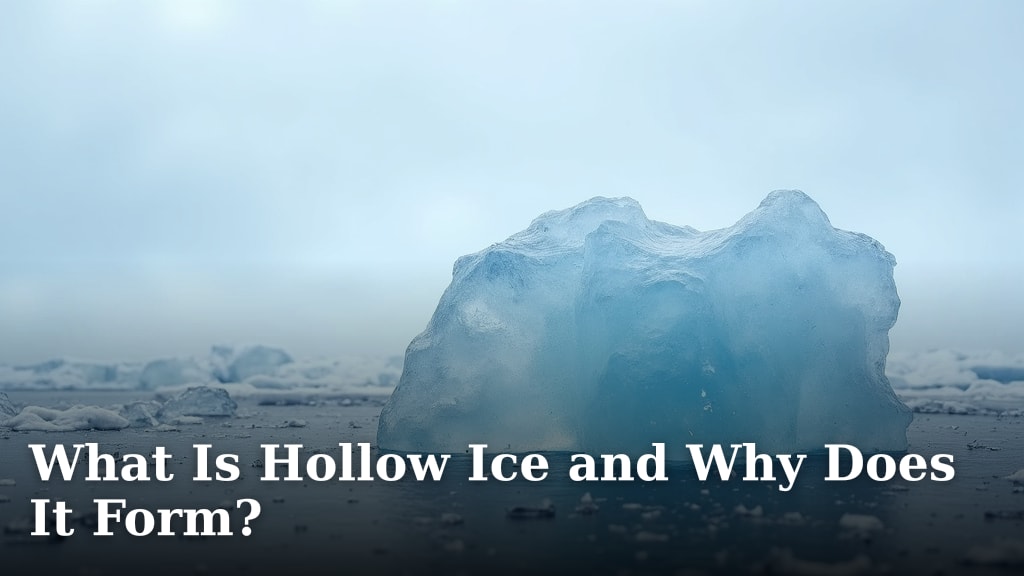
Hollow ice forms when water freezes from the outside in, creating an air pocket inside. This typically happens when ice cubes freeze too quickly or contain dissolved gases. You’ll often see this in home freezers that are working overtime. It’s a common phenomenon with an easy-to-understand cause.
Understanding why your ice has a hole can help you get clearer, more solid cubes. This might be important if you’re serving drinks for guests. Research suggests that the rate of freezing and the amount of dissolved air are the main culprits. It’s not a sign of anything wrong with your freezer, just a little quirk of physics.
- Hollow ice is caused by quick freezing.
- Dissolved air in the water also plays a role.
- It’s a normal occurrence in most freezers.
- Faster freezing traps air, creating a hollow center.
We’ve found that a few simple adjustments can make a difference. Let’s walk through exactly why this happens and what you can do about it.
Understanding Why Your Ice Cubes Get Hollow Centers
Have you ever pulled a tray of ice from your freezer and noticed some cubes have a strange, hollow center? It’s a common sight, especially if your freezer is working hard. We found that this phenomenon isn’t usually a sign of a problem. Instead, it’s a direct result of how water freezes.
Think of it like this: water freezes from the outside in. Imagine a tiny puddle on a cold day. The edges will start to form ice first. The same thing happens inside your ice cube tray. This process can leave a pocket of air or unfrozen water trapped in the middle. Let’s break down the science behind this.
The Science Behind Ice Formation
Water freezes when it reaches its freezing point, which is 32 degrees Fahrenheit (0 degrees Celsius). When you put water in a freezer, the cold air surrounds the tray. This cold transfers through the plastic and into the water.
Freezing From the Outside In
The parts of the water that are closest to the cold freezer air will start to freeze first. This means the outer shell of your ice cube forms before the very center. As the outside freezes and expands, it pushes the unfrozen water towards the middle.
This outward pressure from the forming ice can force the remaining liquid water and any dissolved gases to the core of the cube. If the freezing process happens quickly, this liquid core might not have enough time to freeze solid before the ice cube is complete. The result? A hollow space.
The Role of Dissolved Gases
Tap water, and even bottled water, contains dissolved gases like air. These gases are normally spread throughout the water. However, when water starts to freeze, these gases can become less soluble. They tend to get pushed out of the forming ice crystals.
Much like the unfrozen water, these dissolved gases are often concentrated in the center of the cube as it freezes. If the freezing is fast, these gases can get trapped, contributing to that hollow space. Some experts suggest that the amount of dissolved air can directly influence the size of the hollow center (NCBI).
Why Some Ice Cubes Freeze Faster Than Others
Freezer temperature is a big factor. A very cold freezer will make ice cubes freeze much faster. Your freezer might be set to a colder temperature than necessary, or it might be working harder to maintain its temperature if it’s full or has a door that’s opened frequently.
Freezer Temperature Settings
Most home freezers are designed to keep food safely frozen, typically between 0°F and -10°F (-18°C to -23°C). If your freezer is set to the colder end of this spectrum, your ice will freeze more rapidly. This rapid freezing is a primary cause of hollow ice.
The Impact of Ice Cube Tray Material and Shape
The material of your ice cube tray can also play a role. Trays made of metal or silicone might transfer cold differently than plastic ones. Thinner trays tend to freeze faster than thicker ones.
The shape of the ice cube mold matters too. Deeper, narrower molds might freeze differently than shallower, wider ones. The surface area exposed to the cold air affects how quickly the water inside cools down and begins to solidify.
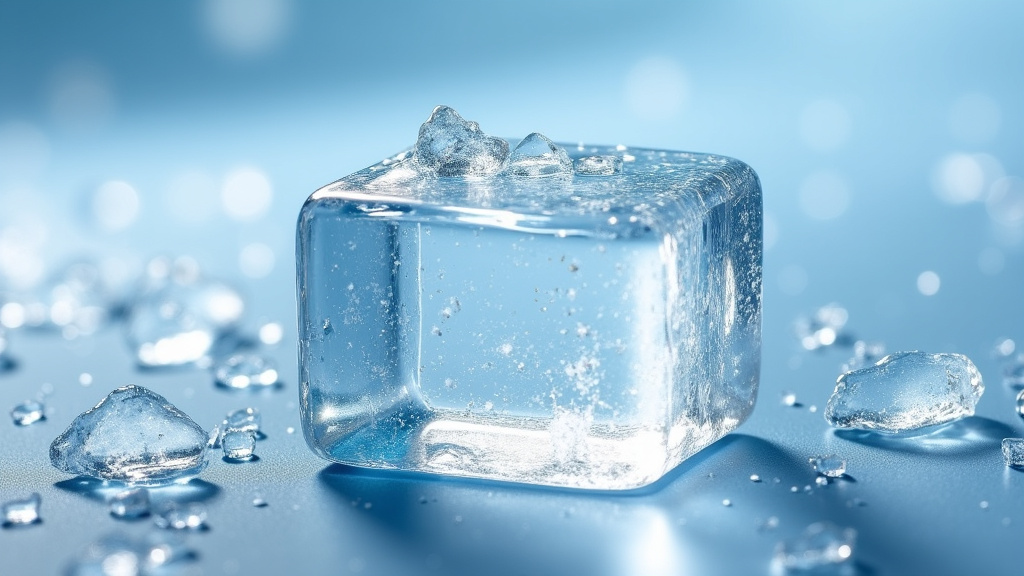
How to Get Clearer, More Solid Ice Cubes
If you’re aiming for perfectly clear and solid ice cubes, especially for entertaining, there are a few adjustments you can try. These methods focus on slowing down the freezing process and reducing the amount of trapped air.
Slowing Down the Freezing Process
The simplest way to get more solid ice is to allow it to freeze more slowly. You can achieve this by adjusting your freezer’s temperature. Try setting it a few degrees warmer, within the safe food storage range.
Another trick is to use less water in each compartment of the ice cube tray. If there’s less water, it has a smaller volume to freeze. This can sometimes lead to more even freezing.
Using Boiled or Distilled Water
Many people find that using boiled water can help reduce dissolved gases. You can boil tap water, let it cool completely, and then use it to fill your ice cube trays. Some research suggests this can result in clearer ice (Cleveland Clinic).
Distilled water is another option. Since the minerals and gases have already been removed from distilled water, it tends to freeze more clearly. However, always ensure you are using water that is safe for consumption before freezing.
Insulating Your Ice Cube Tray
You can also try insulating your ice cube tray. Placing a folded kitchen towel around the tray before putting it in the freezer can slow down the rate at which the water freezes. This might help the ice freeze more evenly from the center outwards.
Consider Your Freezer’s Airflow
Sometimes, the position of your ice cube tray in the freezer can make a difference. If the tray is placed directly in front of a powerful freezer fan, it might freeze too quickly. Try moving the tray to a different shelf or location.
Troubleshooting Common Ice Issues
While hollow ice is usually harmless, it can sometimes be a sign that your freezer is working a little too hard. If you’re noticing other issues like excessive frost buildup or ice cream that’s too hard, it might be time to check your freezer’s settings and airflow.
Here’s a quick checklist to help you get more solid ice:
- Adjust your freezer temperature slightly warmer.
- Use less water in each ice cube mold.
- Try using boiled and cooled water.
- Consider using distilled water for ultimate clarity.
- Ensure your ice tray isn’t blocked by airflow.
- Place a towel around your ice tray to slow freezing.
By understanding the simple physics at play, you can often make small changes to get the ice cubes you desire. It’s all about managing how quickly that water turns into solid ice!
Conclusion
You’ve learned that hollow ice cubes are a natural result of water freezing from the outside in, often due to rapid freezing or trapped air. It’s not a sign of a faulty freezer, but rather a peek into the physics of water. By making a few simple adjustments, like changing your freezer’s temperature or using boiled water, you can achieve clearer, more solid ice. Start by trying just one of these tips, like setting your freezer a few degrees warmer, and see what a difference it makes for your next batch of ice.
Frequently Asked Questions
Is hollow ice safe to drink?
Yes, hollow ice is perfectly safe to drink. The hollow center is simply a result of the freezing process and trapped air or unfrozen water. It doesn’t indicate any contamination or spoilage of the water used to make the ice.
Will hollow ice melt faster?
Hollow ice cubes may melt slightly faster than solid ones. This is because there is less ice mass to melt, and the hollow space can sometimes allow heat to reach the remaining ice more easily.
Why are some of my ice cubes hollow and others not?
This often happens because of slight variations in water temperature or airflow within your freezer. Some compartments might freeze slightly faster than others, leading to a mix of hollow and solid cubes from the same tray.
Can I prevent my ice cubes from being hollow?
You can significantly reduce hollow ice by slowing down the freezing process. This includes setting your freezer temperature a bit warmer, using less water per cube, or trying boiled and cooled water, which has fewer dissolved gases.
Does the type of water (tap, filtered, distilled) affect hollow ice?
Yes, the type of water can play a role. Tap water often contains more dissolved gases than filtered or distilled water. Using distilled water, which has had most minerals and gases removed, tends to produce clearer and more solid ice cubes.