What Does Self Clean Mean on a Countertop Ice Maker?
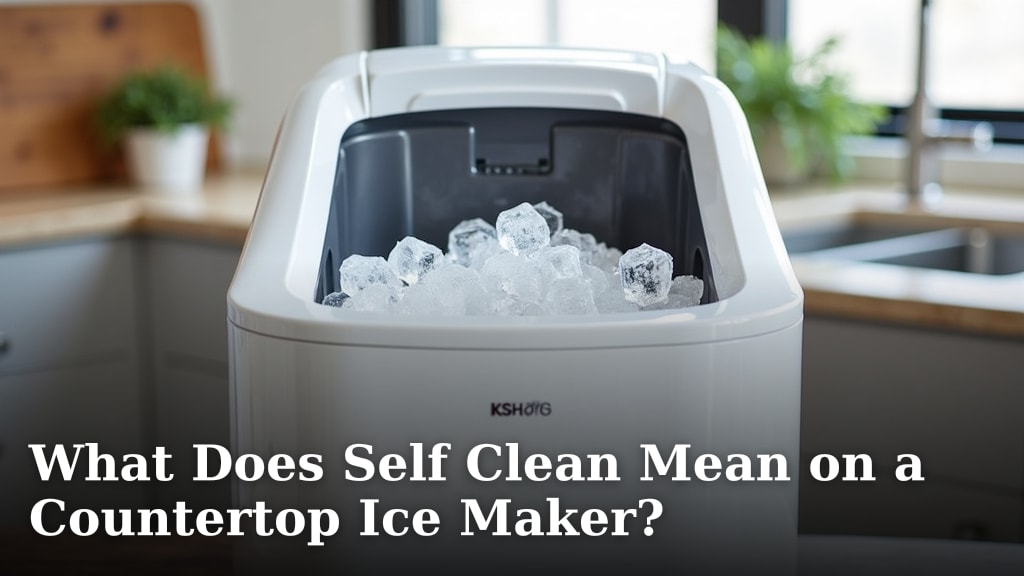
Self Clean on a countertop ice maker is an automated cycle designed to wash the internal water system and help prevent mold or slime buildup. It’s a helpful feature that handles the hard work of cleaning the parts you can’t easily reach.
Many experts found that regular cleaning is essential for ice taste and machine longevity. The self-clean function simplifies this maintenance by flushing the interior with fresh water, making it a key hygiene step between deeper hand washes.
- The Self Clean cycle automatically flushes the internal water lines and reservoir.
- It helps prevent bacteria and mineral buildup that can affect ice quality.
- You still need to hand wash removable parts like the ice basket and scoop.
- Running this cycle every 1-2 weeks is a good rule of thumb for most households.
- It’s a time-saving feature, not a complete replacement for full manual cleaning.
Let’s walk through exactly what happens during this cycle and how you can use it to keep your ice maker running smoothly.
Understanding the Self Clean Function on Your Countertop Ice Maker
This feature is an automatic cleaning cycle built into many countertop ice makers. When you press the Self Clean button, the machine uses its internal water pump and heating element (if equipped) to flush the system. It’s designed to wash the parts you can’t easily reach with a sponge.
How the Automated Cleaning Cycle Works Step-by-Step
The process is simple but effective. Most models follow a similar routine once you activate the cycle.
- Filling the Reservoir: You first fill the water reservoir with a solution of fresh water and a small amount of food-grade sanitizer or vinegar, as the manual recommends.
- Circulation and Soaking: The machine then circulates this cleaning solution through the internal tubing, the water tray, and the freezing rods. Some models heat the water slightly to help dissolve buildup.
- Flushing Out Debris: After a set time, the machine drains the dirty solution. It may then run one or two more cycles with plain fresh water to rinse everything thoroughly.
Think of it like a dishwasher for the machine’s hidden plumbing. It’s not a magic eraser, but it tackles the grime that builds up where water sits stagnant.
Why This Automated Cleaning Matters for Your Ice
You might wonder if skipping a cycle is a big deal. Research on appliance hygiene shows that standing water is a prime environment for biofilm formation—a slimy layer where bacteria can grow (CDC). This doesn’t always mean immediate sickness, but it can definitely affect the taste and smell of your ice.
The Connection Between Clean Machines and Clear Ice
A buildup of mineral deposits or organic residue inside the machine can lead to several problems. Your ice might come out cloudy, taste odd, or even pick up off-odors from the fridge nearby. Running the self-clean cycle helps maintain the quality of the ice you’re actually serving to your family and guests.
Self Clean vs. Manual Cleaning: What’s the Real Difference?
This is one of the most common points of confusion. The self-clean function is a helpful partner, not a replacement for taking things apart. Here’s a clear breakdown of what each method handles.
| Cleaning Aspect | Self Clean Cycle | Full Manual Cleaning |
|---|---|---|
| Primary Target | Internal water lines, reservoir, and freezing rods | Removable parts, interior walls, and the exterior |
| Effectiveness | Good for flushing and loosening buildup in hard-to-reach areas | Excellent for removing visible residue and sanitize all surfaces |
| Frequency Needed | Every 1-2 weeks for regular use | Every 2-4 weeks, or if the machine looks dirty/smells |
| Your Effort | Minimal: just add solution and press a button | More involved: disassembly, scrubbing, and reassembly |
We found that the best hygiene practice combines both methods. Use the self-clean cycle for routine maintenance, and perform a manual cleaning when you see visible buildup or every month as a deeper reset.
How to Use the Self Clean Feature Effectively
Using the feature correctly ensures you get the most benefit. Don’t just press the button and walk away—prep is key.
Choosing the Right Cleaning Solution
Your ice maker’s manual is your best guide here. Many manufacturers recommend a specific mixture. Common, safe options include:
- White Vinegar and Water: A 1:1 ratio is a standard suggestion for descaling and general cleaning.
- Food-Grade Sanitizer: A diluted solution following the product’s instructions.
- Baking Soda and Water: A paste or solution can help with odors and mild grime.
Avoid using harsh chemicals like bleach unless the manual explicitly says it’s safe. They can damage internal components and leave harmful residues.
Preparing Your Ice Maker for the Cycle
A little preparation goes a long way. Before you start, empty all remaining ice from the basket and the ice tray. Dump any standing water from the reservoir. You want the cleaning solution to reach all the surfaces without being diluted by old water or blocked by ice cubes.
What to Do During and After the Cycle
Once you start the cycle, let it run its full course without interruption. It might take 20-40 minutes. After it finishes, discard the rinse water from the reservoir. Then, take out the removable parts like the ice basket and scoop. Wash these by hand with warm, soapy water, rinse well, and let them dry before reassembling. You’ve now done a two-pronged cleaning attack!
When You Absolutely Need to Do a Full Manual Clean
The self-clean cycle is great, but some situations call for the manual approach. Rely on a full hand wash in these cases.
- You See Visible Mold or Slime: If you spot any fuzzy or slimy growth, especially in crevices, it’s time to disassemble and scrub.
- The Ice Smells or Tastes Bad: A lingering odor that doesn’t go away after a self-clean cycle means deeper residue is present.
- After Long Periods of Non-Use: If the machine sat unused for weeks, dust and microbes can settle in. A full clean before first use is wise.
- If the Self-Clean Cycle Seems Ineffective: If the water still looks dirty or you see residue after the cycle, manual cleaning is the next step.
Guidelines from organizations like the NCBI emphasize that physical removal of biofilm through scrubbing is often necessary for complete sanitation, which the automated cycle alone may not achieve.
A Simple Checklist for Ice Maker Hygiene
Keep your ice maker and your ice in top shape with this routine.
- Weekly: Empty unused ice and wipe the exterior.
- Bi-Weekly: Run the Self Clean cycle with an approved solution.
- Monthly: Perform a full manual cleaning of all removable parts and the interior.
- Always: Wash the ice scoop and basket by hand after every few uses.
- As Needed: Empty and dry the reservoir completely if the machine won’t be used for several days.
Common Questions About Self Clean Modes
Let’s clear up a few more frequent thoughts that come up.
Is the Self Clean Cycle Truly Necessary?
Yes, for convenience and consistent performance. While you could theoretically maintain a machine with manual cleaning alone, the self-clean function makes routine hygiene much easier to accomplish regularly. It helps prevent the gradual buildup that affects ice quality.
Can I Use the Ice Maker While It’s Cleaning?
Absolutely not. The cycle needs the full water reservoir to function, and the machine is in maintenance mode. You cannot make ice while the Self Clean process is running. Plan to run it when you don’t need ice for a while.
What If My Model Doesn’t Have This Feature?
No need to worry. Many reliable ice makers don’t have it. It simply means you’ll need to perform manual cleaning more frequently to keep the internal parts fresh. The steps are just a more hands-on version of the process described above.
In the end, seeing “Self Clean” on your ice maker is a signal that the brand cares about ease of maintenance. It’s a tool to help you, but you’re still the manager of your machine’s cleanliness. Using it wisely means better-tasting ice and a longer-lasting appliance.
Conclusion
In short, the Self Clean function on your countertop ice maker is a helpful automated cycle that flushes the internal water lines and reservoir. It’s a key tool for preventing bacteria and mineral buildup that can ruin the taste of your ice. However, it doesn’t do everything. You must still hand wash removable parts like the ice basket and scoop. For the best results, combine the self-clean cycle with a monthly manual deep clean. Your next step is simple: check your user manual for the specific cleaning solution recommendation and schedule your first self-clean cycle this week.
Frequently Asked Questions
Can I run the self-clean cycle with just plain water?
While you can, it’s not ideal. The cycle is designed to work with a cleaning solution like diluted vinegar or a food-grade sanitizer. Plain water alone won’t effectively dissolve mineral deposits or disinfect the system. Always use the recommended solution to get the full benefit.
How do I know if my ice maker needs a manual clean even after using self-clean?
Trust your senses. If your ice still has a funny smell or taste, or if you see any slimy residue in the water tray or on the ice tray, it’s time for a manual clean. The self-clean cycle is great for routine flushing, but visible grime requires scrubbing by hand.
Is it safe to use white vinegar for the self-clean cycle if my manual doesn’t mention it?
You should always consult your specific model’s manual first. However, a 1:1 mixture of white vinegar and water is a commonly recommended, food-safe descaling solution for many appliances. If your manual warns against acidic cleaners, stick to what it suggests to avoid damaging internal parts.
Should I run the self-clean cycle more often if I have hard water?
Yes, you likely should. Hard water contains more minerals that build up as scale inside your machine. This can clog lines and affect performance. Consider running the self-clean cycle every 7-10 days instead of every two weeks if you notice significant mineral deposits.
Does having a self-clean feature make an ice maker worth the extra cost?
For many people, yes. The convenience of automated maintenance saves you time and effort, making it easier to keep your machine hygienic. If you value low-effort upkeep and want to ensure better-tasting ice with less manual work, the feature is a worthwhile investment.