How Loud Is a Countertop Ice Maker Exactly?
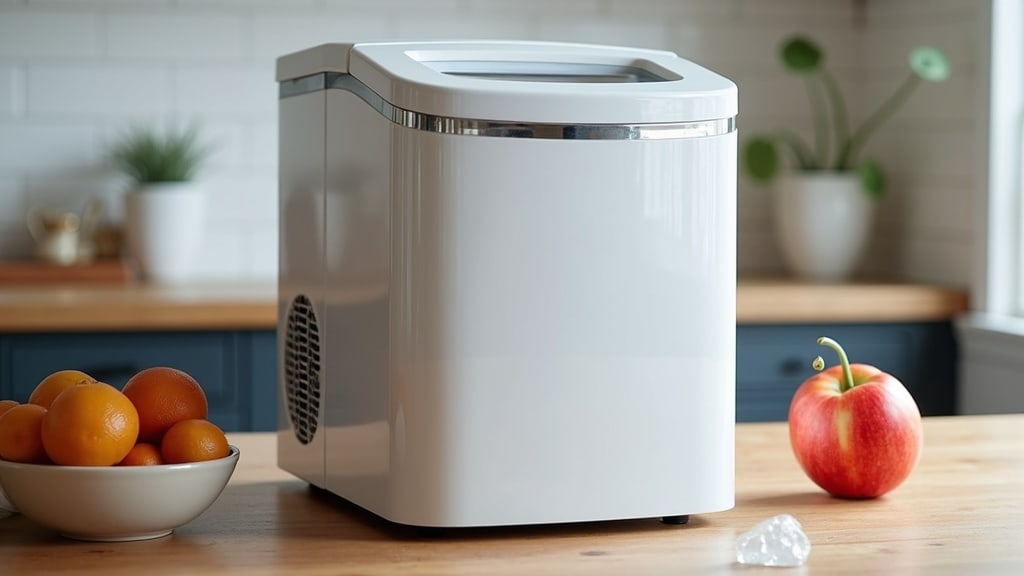
Exactly How Loud Are Countertop Ice Makers?
A typical countertop ice maker operates between 50 and 70 decibels (dB). This is about the same volume as a normal conversation or a running dishwasher. You can absolutely have a conversation nearby, but the noise is noticeable, especially in a quiet kitchen at night.
Breaking Down the Different Noises an Ice Maker Makes
The sound isn’t one steady hum. It comes in cycles, and different parts make different noises. Understanding these cycles helps you know what to expect.
The Compressor Cycle: The Main Hum
This is the core of the noise. The compressor is the motor that cools the refrigerant to make ice. It cycles on and off. When it’s running, you get the primary hum or buzz. This is often the loudest part of the process, typically contributing to that 50-70 dB range. You’ll hear it for most of the ice-making cycle until the bin is full.
The Water Pump and Solenoid Clicks
After the compressor runs, the ice maker needs to add water. A small pump whirs to draw water into the freezing tray. Then, a solenoid valve clicks open or shut. These sounds are shorter and often sharper than the compressor hum. They happen in brief bursts. While not the loudest noise, the sudden clicks can be startling in a silent house.
Ice Dropping into the Bin
This is the satisfying “clatter” of fresh ice. Once the ice cubes release, they fall into the storage bin. The sound is a quick, rattling cascade. The noise level here depends on the bin material. Plastic bins tend to be quieter, while metal can be sharper and louder. It’s a brief but distinct sound in the cycle.
Modern Enhancements: Fans and Insulation
Newer, higher-end models use fans for faster cooling and better insulation to muffle sound. These features often push models toward the lower end of the decibel scale, sometimes around 45 dB. The trade-off? More features can mean a higher price point.
Comparing Ice Maker Noise to Everyday Sounds
Decibels are helpful, but what do those numbers really mean? Let’s compare your ice maker to things you already know.
A Quick Sound Guide (dB Levels)
Here is how common household sounds stack up. Your ice maker likely falls right in the middle of this list.
| Sound | Decibels (dB) | What It Sounds Like |
|---|---|---|
| Quiet Conversation | 50-60 dB | The baseline for most countertop ice makers. |
| A Running Dishwasher | 55-65 dB | A very close comparison for the main hum. |
| A Microwave Oven | 60-70 dB | Similar to the louder ice makers when the compressor is at full blast. |
| A Vacuum Cleaner (from another room) | 70-80 dB | Significantly louder than most ice makers. |
What Really Determines the Noise Level of Your Model?
Not all ice makers roar at the same volume. Several key factors influence the final decibel rating you’ll hear.
Cooling System: Air-Cooled vs. Water-Cooled
This is the biggest factor. Air-cooled models are the standard countertop type. They use a fan to blow air across condenser coils. The fan noise adds to the overall sound. Water-cooled models, which use running water to cool the system, are rare for home use and can be quieter but waste water.
Machine Size and Insulation
Smaller, more compact machines may have less internal insulation. This can allow more noise to escape. Larger models sometimes have better space for sound-dampening materials. A sturdy, heavy casing can also reduce vibration noise compared to a lightweight, plastic shell.
Brand Quality and Engineering
We found that reputable brands often invest in quieter compressor and fan technology. Reading reviews is crucial. A model’s published decibel rating can be accurate, but real-world noise perception also depends on build quality and where you place it.
Location in Your Home
Where you put the machine dramatically changes your experience. Placing it on a sturdy countertop versus a wobbly table affects vibration noise. A model that seems loud in a silent bedroom may be perfectly fine in a busy kitchen with other appliance sounds.
How to Reduce the Impact of Ice Maker Noise
You can’t eliminate the noise entirely, but you can manage it. A few simple steps can make a big difference in your daily life.
- Strategic Placement: Put it away from your main conversation area. A spot in the corner of the kitchen or on a separate beverage station helps.
- Vibration Dampening: Place a thick, rubber shelf liner or a small mat under the machine. This absorbs vibrations and prevents rattling on hard countertops.
- Insulate Nearby Cabinets: If the machine is near cabinets, ensure doors are closed. The cabinets can act as a sound barrier.
- Schedule Your Ice Making: If you have a model with a timer, set it to run during the day when ambient noise is higher, or overnight if you won’t be bothered.
- Maintain Cleanliness: Dust the condenser coils regularly. A dirty machine has to work harder and can become louder over time.
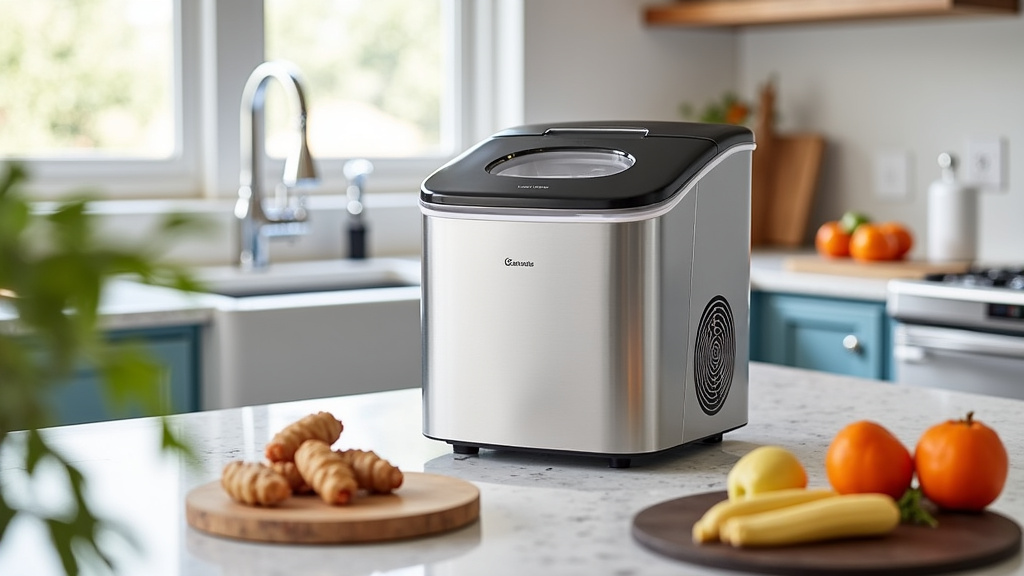
Important Safety Note About Noise and Placement
While noise is a nuisance, proper placement is also a safety and efficiency issue. Never place the machine in an enclosed space like a cabinet or under a low-hanging shelf without adequate ventilation. The machine needs several inches of clearance on all sides, especially the back and top, for air to flow. Poor airflow makes the compressor work harder, increasing both noise and energy use. It can also create a fire hazard. Follow the manufacturer’s clearance guidelines in your manual.
Your Countertop Ice Maker Noise Checklist
Before you buy, and after you set up, run through this quick checklist to keep noise levels in check.
- ✅ Check the Spec Sheet: Look for the decibel (dB) rating. Compare it to the examples above.
- ✅ Read Real-World Reviews: See what buyers say about noise in home kitchens, not just lab tests.
- ✅ Plan the Location: Measure your space and ensure proper ventilation clearance first.
- ✅ Buy a Dampening Mat: Get a rubber or silicone mat to place underneath the unit.
- ✅ Secure the Area: Make sure the counter is stable and won’t amplify vibrations.
- ✅ Follow Cleaning Schedules: A clean machine is a quieter, more efficient machine.
So, Is the Noise a Dealbreaker?
For most people, it’s a manageable background sound, much like a dishwasher running. If you’re extremely sensitive to noise or plan to place it in a very quiet, small apartment, you might want to choose a model specifically marketed for quiet operation or consider a larger, built-in unit with better insulation. For the average home, the convenience of on-demand ice typically outweighs the background hum.
Think of it as the “price of admission” for cold drinks anytime. Knowing what to expect helps you decide if it’s the right fit for your kitchen and lifestyle.
Conclusion
Countertop ice makers create a background noise of 50-70 decibels, similar to a dishwasher or normal conversation. The sound varies through cycles of humming, clicking, and ice dropping. Factors like cooling system, insulation, and placement all influence the final volume you hear.
You have real control over the experience. By choosing a well-reviewed model, placing it on a stable surface with a vibration mat, and positioning it away from quiet zones, you can manage the noise effectively. For most homes, the convenience is worth this manageable background hum.
Your next step is simple: use the noise checklist from the article. Check the dB rating, read user reviews, and plan your placement before you buy. This preparation ensures your new ice maker fits seamlessly into your home.
Frequently Asked Questions
Will a countertop ice maker be too loud for my small apartment?
It depends on your noise sensitivity and where you place it. In a very quiet, open-plan studio, the 50-70 dB hum might be noticeable, especially at night. Placing it in the kitchen away from the living area and using a dampening mat can significantly reduce the perceived noise.
Are some brands noticeably quieter than others?
Yes, our research and found that reputable brands often invest in quieter compressor technology and better insulation. Always check the decibel rating on the spec sheet and, more importantly, read real-world customer reviews that specifically mention noise levels in home settings.
Can I put it inside a cabinet to muffle the sound?
You should never place it in an enclosed cabinet without proper ventilation. Blocking airflow forces the compressor to work harder, making it louder and creating a potential fire hazard. You can, however, place it in an open cabinet or ensure cabinet doors are left open while it runs.
Is it loud enough to disrupt sleep if it runs overnight?
For most people, no. The noise is comparable to a running dishwasher. However, if you are a very light sleeper or it’s in a bedroom, you may hear it. Many models have timers so you can schedule ice production during daytime hours instead.
Does a dirty ice maker get louder over time?
Absolutely. When condenser coils or filters get clogged with dust, the machine has to work harder and longer, increasing noise. Regular cleaning and maintenance as per the manual will help keep it running at its intended, quieter level.