Does a Countertop Ice Maker Store Ice or Only Make It?
How Countertop Ice Makers Handle Their Ice Supply
Most countertop ice makers are designed to make ice on demand, not store it for long periods. When the internal storage basket is full, they simply stop making new ice until you remove some. Think of it like a printer that stops when its paper tray is full. The primary job is production, not long-term cold storage.
However, a few models do include small freezers to keep ice frozen longer. The vast majority you’ll encounter, though, are machines where the ice will eventually melt and recycle into water for the next batch. Let’s break down how this works and what it means for you.
Understanding the Two Main Types of Countertop Ice Makers
Not all machines are built the same. When shopping, you’ll notice a key difference in how they manage the ice they produce. This distinction directly impacts convenience and how you use the appliance.
Batch-Making Models Without a Freezer
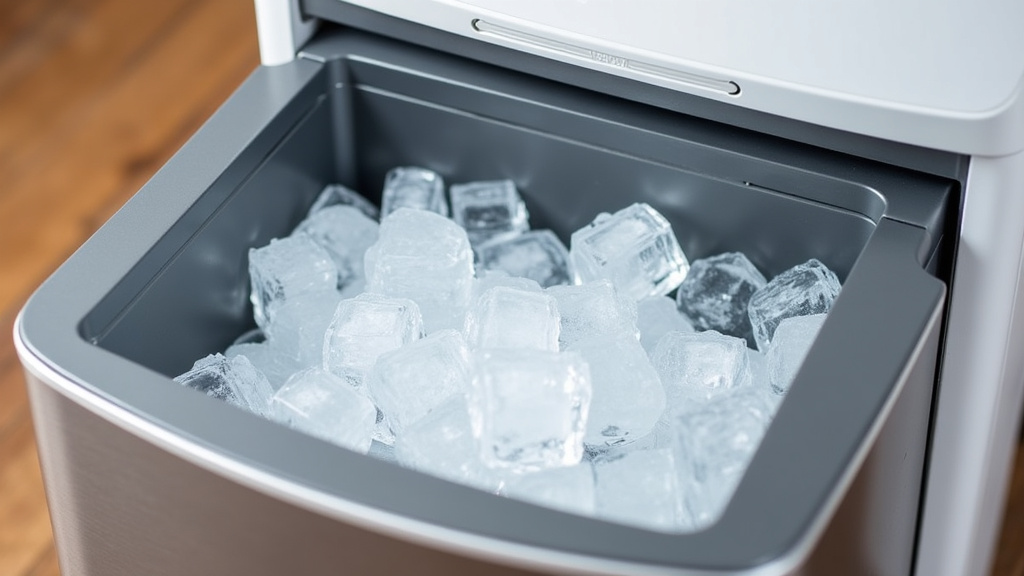
This is the most common type you’ll find. These units make a batch of ice and drop it into an insulated basket. This basket is not a freezer. It’s like a cooler that slows down melting. If you’re not using the ice quickly, it will begin to melt over several hours.
The melted water drains back into the reservoir below. The machine then reuses that water to make a fresh batch. It’s a continuous, efficient cycle designed for making ice when you need it.
Models With a Small Freezer Compartment
Some higher-end or specialized units include a small, true freezer section. These are less common and often priced higher. They can keep ice frozen until you’re ready to use it, but the freezer capacity is usually quite small.
You might find this feature in nugget ice makers that are designed for all-day use. Even then, the storage is meant for a few hours, not days. The core function remains making ice, with added short-term preservation.
The Science Behind the Cycle: Why Ice Melters Recycle
Why don’t most countertop makers just keep ice frozen? It comes down to physics and purpose. These appliances are optimized for speed and convenience, not the powerful insulation of a full-size freezer.
How a Typical Ice Making Cycle Works
- Water Fill: Water from the reservoir is pumped up to the freezing rods or tray.
- Freezing: Cold rods freeze the water into ice cubes or nuggets.
- Harvest: The rods warm slightly, releasing the ice into the basket.
- Storage & Recycle: Ice sits in the basket. Any melted water drains back to the reservoir to start again.
This cycle is key. The machine isn’t wasting water; it’s recycling it. This means you don’t have to keep adding water unless some evaporates or you empty the reservoir.
The Role of Insulation vs. Active Freezing
The storage bin is insulated, which slows melting. It is not actively cooled by a compressor. An active freezer uses a lot of energy and space. For a countertop appliance meant for daily, short-term use, simple insulation is more practical. According to ENERGY STAR, most countertop ice makers are considered “non-storage” appliances for this reason.
What This Means for Your Daily Use
Understanding this helps set the right expectations. These machines excel at providing fresh ice quickly for a party, a cooler, or a weeknight drink. They are not a substitute for your freezer’s ice tray.
Ideally Suited For Short-Term Ice Needs
These machines shine when you need ice on demand. Hosting friends for a barbecue? Making smoothies all afternoon? This is their perfect job. The ice is fresh and cylindrical or nugget-shaped, often colder than freezer-bag ice.
Less Ideal For Long-Term Ice Storage
If you want to make a big batch of ice in the morning and have it last all day for a cooler, you may be disappointed. The ice will melt significantly by evening. For that, you’re better off using the machine to make ice and then transferring it to a hard-sided cooler. Many experts say transferring ice to a pre-chilled cooler is the most effective way to keep things cold for extended periods.
Features That Affect Ice Longevity
While most don’t store ice, some features can help keep it from melting too quickly.
Insulation Quality
Check product descriptions for mentions of “insulated basket” or “double-walled design.” Better insulation means slower melting. It’s a key factor in how long your ice will last once made.
Lid Design
A tight-sealing lid is crucial. An open-top design lets cold air escape and warm air in. A clear, closable lid not only lets you see the ice but also traps the cold, slowing the melt cycle.
Environmental Factors
Your kitchen’s temperature matters. An ice maker placed near a hot oven or in a warm garage will make the ice melt much faster. Keep your unit in a cool, dry spot for best performance.
A Quick Comparison Table
Here’s a simple breakdown to help you visualize the differences between the two main types.
| Feature | Batch-Maker (No Freezer) | Model with Freezer Compartment |
|---|---|---|
| Primary Function | Makes ice on demand | Makes ice & stores it frozen |
| Ice Storage | Insulated basket (not a freezer) | Small, actively cooled freezer |
| Ideal Use | Immediate use, parties, daily ice | All-day ice access, premium convenience |
| Typical Price | $ to $$ | $$ to $$$ |
| Energy Use | Lower (cycles on/off) | Higher (compressor runs more) |
Buying Checklist: What to Look For
When you’re ready to buy, keep these points in mind to match a machine to your needs.
- Ice Type: Do you want clear cubes, sonic nuggets, or bullet ice?
- Production Speed: How many pounds of ice per day does it make?
- Storage Capacity: How much ice fits in the basket? Remember, this is temporary storage.
- Insulation: Look for a well-insulated bin and a good lid.
- Drainage: Does it have a drain plug for easy cleaning and water removal?
- Noise Level: Reviews often mention if it’s loud or quiet for countertop use.
Common Questions About Ice Maker Storage
People often wonder about a few specific scenarios. Let’s address them directly.
Can I Leave the Ice Maker On All Day?
Yes, most models are designed to be left on. They will automatically stop when the basket is full and restart when ice is removed. This makes them perfect for keeping a basket topped off during a gathering.
What Happens to the Ice I Don’t Use?
It melts. The water drains back into the reservoir. As long as the machine is on, it will try to maintain a full basket, recycling the melted water into new ice. For food safety, the FDA recommends cleaning the water reservoir regularly, especially if the machine has been off for a while.
Should I Buy an Ice Maker or a Freezer with an Ice Maker?
A countertop ice maker is a supplement, not a replacement. It’s for when you need a large volume of ice quickly or prefer a specific shape. Your freezer’s ice tray is for backup, long-term storage, and bulk ice made in advance.
Final Thoughts on Ice Management
The core purpose of a countertop ice maker is production and convenience. It gives you fresh, restaurant-style ice in minutes. While it won’t keep ice frozen for days like your freezer, its ability to make ice on demand and recycle melted water is a huge benefit for everyday use.
By understanding this, you can choose the right machine, set it up in the best spot, and use it in a way that fits your lifestyle perfectly. Enjoy your fresh ice!
Conclusion
So, to answer the core question: most countertop ice makers are built to **make ice on demand**, not store it indefinitely. They excel at producing fresh batches quickly for your immediate needs, like parties or daily drinks. The melted ice is simply recycled for the next cycle, which is efficient and convenient. Remember, for long-lasting ice, you’ll want to transfer it to a cooler. The best way to use your machine is for **short-term, high-volume ice production**. To choose the right one, prioritize good insulation and a secure lid to keep your ice fresher, longer.
Frequently Asked Questions
How long does ice last in a countertop ice maker?
Ice typically lasts **4-8 hours** in the insulated basket before it melts significantly. The exact time depends on the machine’s insulation, your room temperature, and how often you open the lid. For all-day ice, you should transfer it to a dedicated cooler.
Can a countertop ice maker replace my freezer’s ice tray?
No, it is designed as a **supplement**, not a replacement. It provides a large volume of fresh ice quickly for specific events. Your freezer is better for long-term ice storage and making bulk ice in advance.
Do I need to empty the melted water from the ice maker?
You don’t need to empty it constantly. The machine **recycles melted water** back into the reservoir to make new ice. However, you should drain and clean the reservoir regularly, about once a week, to prevent bacteria growth and ensure fresh-tasting ice.
Will the ice maker keep running if the basket is full?
No, it will **automatically stop** making ice when the storage basket is full. It will resume production once you remove some ice. This prevents overflow and allows you to leave it on all day for a continuous supply.
Is the noise from a countertop ice maker disruptive?
Noise levels vary by model. Many users find them **relatively quiet** during the ice-making cycle, which can last about 6-10 minutes. However, you may hear a hum when the compressor is running. Check product reviews for specific noise level information.