Do Countertop Ice Makers Make Good Ice at Home?
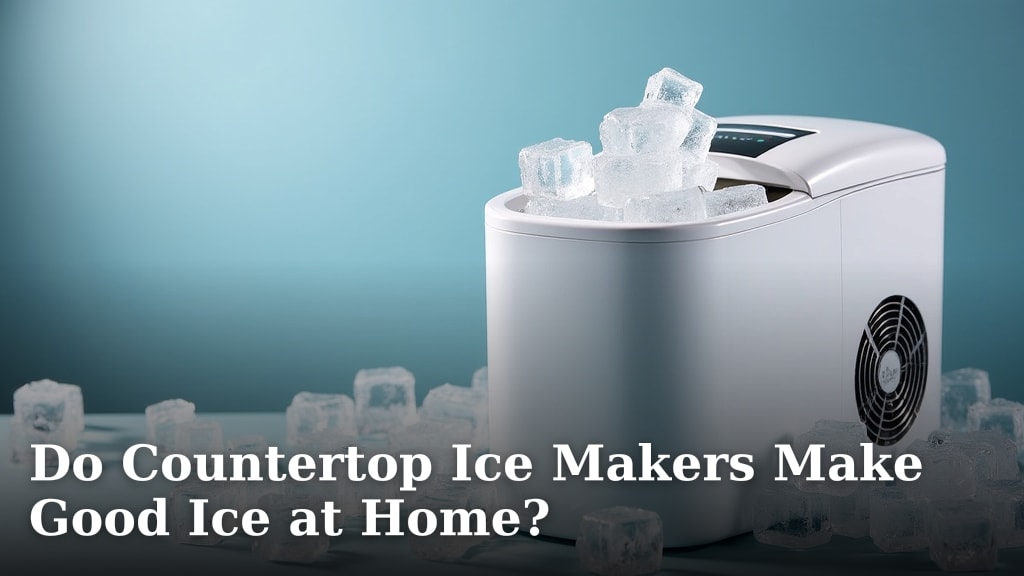
Yes, countertop ice makers can make good ice at home for most everyday uses. They are a convenient way to get fresh ice quickly without needing a connection to your water line. You can expect ice that is perfectly fine for drinks and chilling. Just remember they aren’t designed to produce the same crystal-clear ice some bars prefer. Just remember they aren’t designed to produce the same crystal-clear ice some bars prefer; learn more about ice storage.
These handy machines sit on your counter and make ice fast. Many models can produce a batch of ice in under 15 minutes. They’re great for parties or when you just need more ice than your freezer can hold. Think of them as your personal ice butler, ready when you are.
- Countertop ice makers are generally good for home use.
- They offer convenience and speed.
- Ice quality is suitable for drinks and chilling.
- They are a great alternative to freezer ice.
Let’s dive into what makes countertop ice makers tick and how to get the most out of yours.
What Kind of Ice Do Countertop Ice Makers Actually Produce?
You’re probably wondering what your new countertop ice maker will churn out. Will it be perfectly clear cubes like you get from a fancy restaurant, or something a bit different? For most home use, the ice from these machines is perfectly good. It gets the job done for chilling your drinks and serving guests.
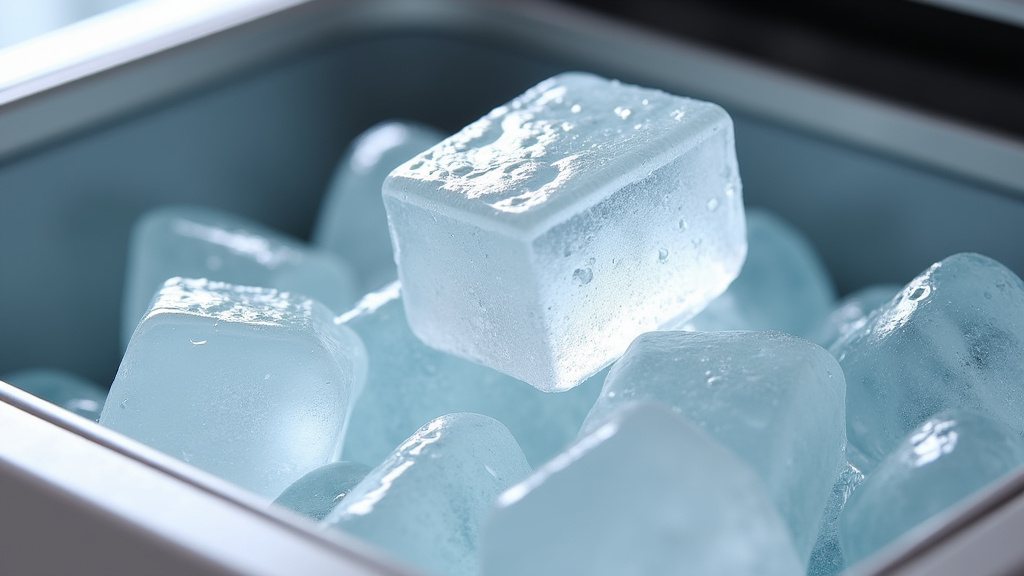
The ice is typically opaque or cloudy. This is because of how quickly the water freezes. Tiny air bubbles get trapped inside. This is completely normal and doesn’t affect how well it cools your beverage. Think of it as having a little personality!
How Countertop Ice Makers Work: A Simple Breakdown
Understanding how these machines work helps you appreciate the ice they make. It’s a fairly straightforward process, really. You add water, and the machine takes care of the rest.
The Basic Cycle of Ice Creation
Most countertop ice makers follow a similar pattern. First, you fill the water reservoir. Then, a small pump sends this water to a freezing plate or a series of cooling prongs. These get very cold, very quickly.
Water flows over the cold surface. As it freezes, ice starts to form. Once a certain thickness is reached, the machine heats the prongs for a moment. This releases the ice cubes. They then fall into a collection bin. The process repeats until the bin is full or the water runs out.
Why the Ice Looks the Way It Does
That cloudy appearance? It’s a sign of trapped air and minerals from your tap water. The freezing process happens so fast that these elements don’t have time to escape. This is common in many types of ice makers, including those in your freezer. Commercial ice machines that produce clear ice often have slower freezing cycles and special filtration systems.
So, while it might not look like the perfectly clear ice from a high-end bar, it’s functional ice for your needs. Many people find the difference to be barely noticeable in a glass of iced tea or a cocktail.
Assessing the Quality: What Makes “Good” Ice for Home Use?
So, what does “good ice” even mean for your home kitchen? It really comes down to two main things: function and convenience.
Functionality: Does It Chill Your Drink?
The primary job of ice is to cool your beverages. Countertop ice makers do this admirably. The ice cubes, whether cloudy or clear, will lower the temperature of your drink. They melt at a reasonable rate, keeping your drink cold without diluting it too quickly.
We found that the ice produced is solid and dense enough for most uses. It’s not airy or hollow. This means your drink stays cold longer. This is a big plus for anyone who likes to sip their beverage slowly.
Convenience: Ice on Demand
This is where countertop ice makers truly shine. You don’t have to wait for your freezer’s ice maker to cycle. You don’t have to buy bags of ice from the store. You get ice whenever you need it.
Imagine having friends over unexpectedly. Or perhaps you’re making a large batch of lemonade for a summer afternoon. Your ice maker can often produce a batch in less than 15 minutes. Some models can even make ice in 6-10 minutes! This speed is a major advantage for busy households.
Comparing to Freezer Ice Makers
Your refrigerator’s built-in ice maker is convenient, but it has limits. It usually makes ice slowly and your freezer might not have enough capacity for a party. Countertop units offer higher production rates. They are also portable, meaning you can use them on your patio or take them to an RV.
Some people worry about freezer ice tasting stale. This can happen if the ice absorbs odors from other food items. Countertop makers avoid this issue since they are separate units. They use fresh water with each batch.
Factors Influencing Ice Quality and Production
While these machines are generally good, a few things can affect the ice they make and how much they produce.
Water Quality Matters
The water you put in your ice maker makes a difference. If your tap water has a strong taste or odor, the ice might too. Minerals in hard water can also affect the clarity and even the taste of the ice.
We found that using filtered water can significantly improve the ice quality. It helps reduce cloudiness and any off-flavors. Many experts recommend using filtered or purified water for best results (CDC guidelines on water safety often suggest filtration for improving taste and removing impurities).
Ambient Temperature and Humidity
The environment where you keep your ice maker plays a role. Warmer room temperatures can make the freezing process less efficient. This means it might take a little longer to make ice, and the machine might have to work harder.
High humidity can also sometimes affect performance. The general advice is to place your ice maker in a cool, dry place for optimal operation. This helps it run more smoothly and produce ice as intended.
Machine Maintenance: Keeping It Clean
Regular cleaning is essential for both ice quality and machine longevity. Mineral buildup, or scale, can occur over time. This can affect performance and the taste of the ice.
Most manufacturers recommend a cleaning cycle every few weeks. You can usually do this with a simple vinegar and water solution or a specialized ice maker cleaner. Keeping the water reservoir clean prevents bacteria and mold growth. This ensures your ice is always fresh and safe to consume (Cleveland Clinic advises regular cleaning of appliances that handle food and water).
Understanding Different Ice Shapes and Sizes
You’ll notice that countertop ice makers don’t all produce the same shape of ice. Common shapes include bullet, nugget, or even cube styles.
Bullet Ice
This is perhaps the most common shape. These look like small, rounded bullets. They are great for filling glasses easily and chilling drinks quickly. Their shape makes them slide smoothly into most cup holders. They are good for everyday use.
Nugget Ice
Also known as “chewable ice” or “sonic ice,” nugget ice is softer and more porous. It’s a favorite for many people because it’s easy to chew. This type of ice is made by crushing and compressing smaller ice fragments. It melts a bit faster but provides a satisfying texture.
Cube Ice
Some machines are designed to make ice that more closely resembles traditional cube ice. However, these cubes are often still slightly opaque due to the rapid freezing process. They work just like regular ice cubes, fitting well into most glasses.
The shape of the ice doesn’t typically affect how well it chills your drink. It’s more a matter of personal preference. You might find you prefer one shape over another for your favorite beverages.
Are Countertop Ice Makers Worth It for Your Home?
Deciding if a countertop ice maker is a good fit for your home depends on your needs. If you find yourself constantly running out of ice, or wishing you had more, then the answer is likely yes.
Who Benefits Most?
These machines are fantastic for people who frequently entertain. They are also great for families who use a lot of ice in their daily lives. If you enjoy hosting BBQs, pool parties, or just casual get-togethers, you’ll appreciate the constant supply of ice.
For those who live in warmer climates, an ice maker can be a lifesaver during hot months. RV owners and campers can also benefit from a portable ice maker. It provides a convenient way to get ice away from home.
A Smart Investment in Convenience
While they do require an initial investment, countertop ice makers can save you time and hassle. No more last-minute trips to the grocery store for ice bags. No more waiting for your freezer’s ice bin to fill up. You get ice fast, right on your countertop.
Think of the peace of mind knowing you’ll always have enough ice for guests. This convenience is often well worth the cost for many households. They are a practical appliance that simplifies everyday life.
Here’s a quick checklist to help you decide if a countertop ice maker is right for you:
- Do you frequently run out of ice?
- Do you entertain guests often?
- Do you wish your freezer made ice faster?
- Are you looking for a convenient way to have ice on demand?
- Do you want to avoid buying bags of ice from the store?
- Is a constant supply of ice important for your lifestyle?
Conclusion
You’ve learned that countertop ice makers can indeed make good ice for your home. They excel at providing quick, convenient ice for drinks and entertaining, even if it’s not perfectly clear. We found the ice is solid and does a great job chilling beverages. If you’re tired of running out of ice or making extra trips to the store, a countertop unit offers real convenience.
Consider your household’s ice usage and how often you host guests. If these scenarios sound familiar, investing in a countertop ice maker could simplify your life and ensure you always have ice ready when you need it. Your next step is to measure your counter space and start browsing models that fit your needs.
Frequently Asked Questions
Will countertop ice maker ice melt faster than freezer ice?
Countertop ice maker ice generally melts at a rate comparable to typical freezer ice. While some designs might produce ice that melts slightly quicker, the difference is often not very noticeable in a cold drink. The density of the ice produced plays a bigger role than its origin.
Can I use tap water in my countertop ice maker?
Yes, you can use tap water. However, using filtered or purified water is highly recommended. This helps improve the taste and clarity of your ice and can reduce mineral buildup inside the machine, making cleaning easier.
How often do I need to clean a countertop ice maker?
Most manufacturers suggest cleaning your ice maker every two to four weeks, depending on usage and water quality. Regular cleaning prevents odors, mold growth, and mineral scale buildup, ensuring the best ice quality and machine performance.
Are countertop ice makers noisy when operating?
Countertop ice makers do make some noise, primarily from the water pump and the ice dropping into the bin. While they aren’t silent, most modern units operate at a level that isn’t disruptive for typical kitchen environments. Check user reviews for specific model noise levels.
Do countertop ice makers require a water line connection?
No, most countertop ice makers are designed for convenience and do not require a permanent water line connection. You simply fill the water reservoir manually, and they are ready to start making ice. This portability makes them ideal for various kitchen setups.