Is a Countertop Ice Maker Worth It at Home?
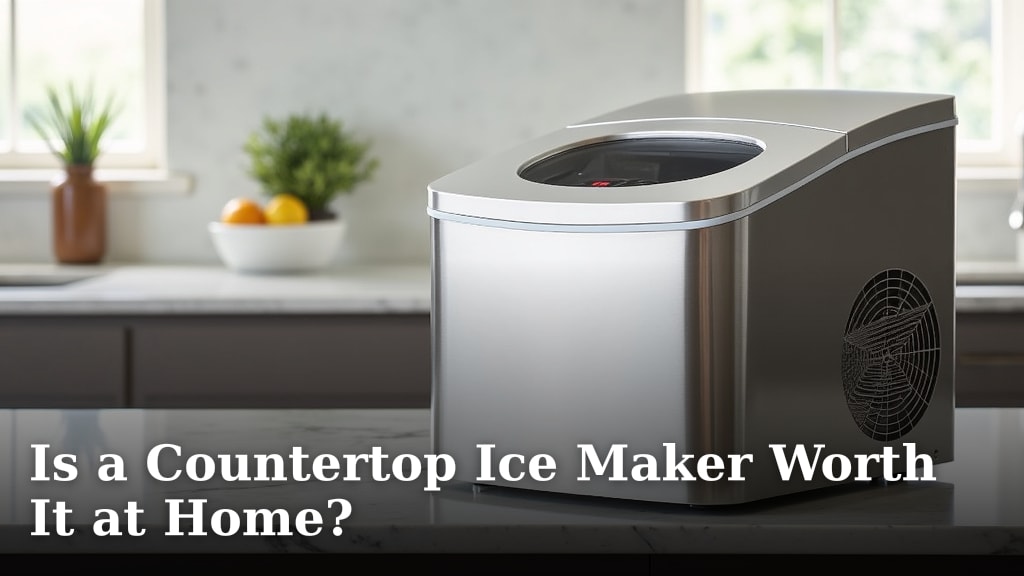
Yes, a countertop ice maker can be worth it for home use if you frequently run out of ice, enjoy hosting, or simply love having plenty of cold drinks. These compact machines offer a convenient and quick way to produce ice right in your kitchen, avoiding last-minute store runs.
Many people wonder if they are just another kitchen gadget. We found that for households that consume a lot of ice, especially during warmer months or for entertaining, the convenience factor is high. They can produce ice much faster than your freezer’s ice maker, offering a steady supply.
- Countertop ice makers can be a good buy for frequent entertainers.
- They are faster than freezer ice makers for a steady supply.
- Consider your ice usage to decide if it’s a smart purchase.
- They save you trips to the store for bags of ice.
Let’s break down whether one of these convenient gadgets is the right fit for your home and your lifestyle.
Is a Home Ice Maker a Smart Purchase?
Countertop ice makers can be a smart addition to your home if you find yourself constantly running out of ice. We’ve looked into how these machines work and who they benefit most. They offer a convenient alternative to waiting for your freezer’s ice maker or making frequent trips to the grocery store.
Many people wonder if they’re just another gadget taking up counter space. The truth is, for households that use a lot of ice, especially for drinks, parties, or even in coolers for outings, the convenience is undeniable. They can produce ice much faster than most built-in freezer ice makers, ensuring you have a steady supply when you need it. A countertop ice maker can provide a steady supply of ice, but learn how they store it in our guide.
How Countertop Ice Makers Work
Understanding the basic function helps you see their appeal. These machines are designed for speed and ease of use. They don’t connect to your water line; you simply fill a reservoir with water. Then, you plug it in, and it gets to work.
The Ice-Making Process
Inside, a countertop ice maker has a compressor and a water pump, much like a refrigerator. When you add water to the reservoir, a pump sends it to an evaporator plate. The plate gets very cold, and water freezes onto it in small portions. Once these ice portions reach a certain size, they fall into a collection bin. A sensor detects when the bin is full, and the machine stops making ice until some is removed.
Types of Ice Produced
Most countertop ice makers produce “chewy” ice. This type of ice is made by freezing water in thin layers. It’s not as hard as the ice from your freezer, which is why it’s often described as chewable. It melts a bit faster, but many people enjoy its texture in their drinks. You’ll typically see ice that is somewhat hollow in the center.
Speed and Capacity
One of the biggest draws is how quickly they produce ice. We found that many models can start producing ice within 10 to 20 minutes of being turned on. They can typically make between 25 to 50 pounds of ice per day, depending on the model and ambient temperature. This is usually much more than a standard freezer ice maker can keep up with.
Who Benefits Most from a Home Ice Maker?
Deciding if a countertop ice maker is worth it really comes down to your lifestyle and how much ice you actually use. Let’s look at some common scenarios where these machines shine.
Frequent Entertainers and Hosts
If you love hosting parties, barbecues, or family gatherings, you know how quickly ice can disappear. Running out of ice mid-party is a common headache. A countertop ice maker ensures you have a constant supply for your guests’ drinks. It’s like having a personal ice butler, ready to serve.
Families with High Ice Consumption
Some families simply use a lot of ice. Think about daily iced coffees, filling up water bottles for school or work, and using ice in recipes. If your freezer’s ice bin is always empty, a countertop unit can relieve that stress. You won’t have to remember to empty ice cube trays constantly.
Outdoor Enthusiasts and Campers
For those who enjoy camping, boating, or tailgating, a portable ice maker can be a game-changer. You can make ice right at your campsite or dock, eliminating the need to buy bulky bags of ice that eventually melt. Just make sure you have a way to power the unit, like a generator or portable power station.
People in Hot Climates
If you live somewhere warm, you likely drink more cold beverages. This means you probably use more ice. A countertop ice maker can be a lifesaver during hot spells. You’ll always have enough ice to keep your drinks perfectly chilled, no matter how high the temperature climbs.
Weighing the Pros and Cons
Like any appliance, countertop ice makers have their upsides and downsides. It’s important to consider these before making a purchase. We looked at what users and experts frequently mention.
Advantages
- Convenience: Ice is ready when you need it, without extra effort.
- Speed: Produces ice much faster than most freezer models.
- Capacity: Makes a significant amount of ice daily.
- Portability: Many models are compact and can be moved easily.
- Cost Savings (Long-term): Can be cheaper than constantly buying bags of ice.
Disadvantages
- Cost: Initial purchase price can be a barrier for some.
- Counter Space: Takes up valuable real estate on your kitchen counter.
- Noise: Some models can be a bit noisy when operating.
- Water Usage: Requires regular refilling of the water reservoir.
- Maintenance: Needs regular cleaning to prevent mold and mineral buildup.
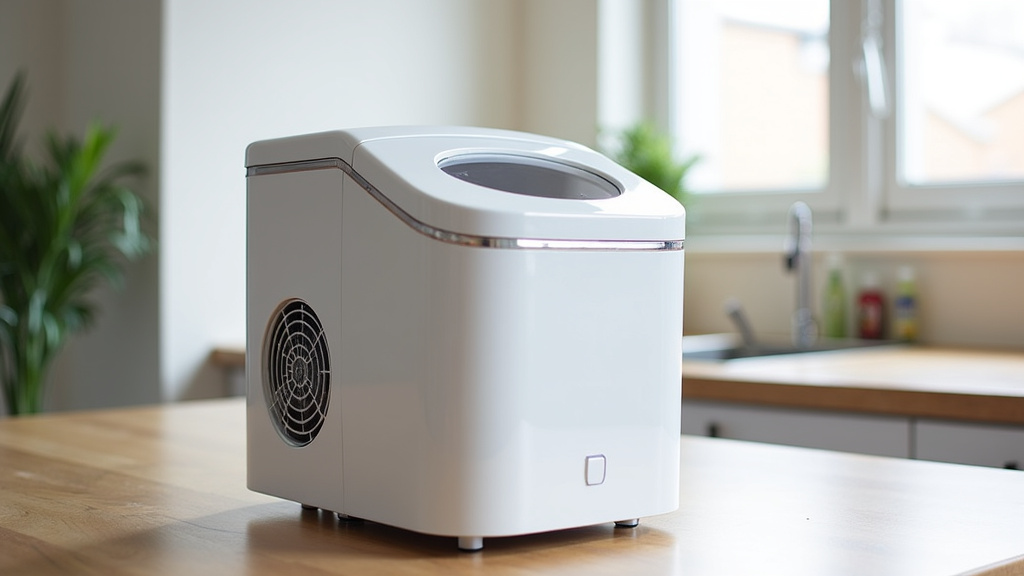
Cost vs. Benefit: Is It Economically Sound?
Let’s talk numbers. A basic countertop ice maker can range from $100 to $300, with more advanced models costing more. Compare this to the cost of buying bags of ice. A 10-pound bag of ice might cost around $3 to $5. If you buy ice twice a week, that’s $6 to $10 weekly, or $312 to $520 per year.
We found that if you regularly spend more than $100 a year on bagged ice, a countertop ice maker could pay for itself within one to two years. Of course, this doesn’t account for the electricity used to run the machine. However, they are generally energy-efficient, using about as much electricity as a small refrigerator.
| Ice Purchase Frequency | Estimated Annual Cost | Countertop Ice Maker Cost (Initial) | Payback Period (Approx.) |
|---|---|---|---|
| Twice a week | $312 – $520 | $100 – $300 | 6 months – 2 years |
| Once a week | $156 – $260 | $100 – $300 | 1 – 3 years |
| Bi-weekly | $78 – $130 | $100 – $300 | 2 – 4 years |
This table shows that for moderate to heavy ice users, the long-term savings can be substantial. It’s a trade-off between an upfront investment and ongoing expenses.
Key Features to Consider
When you’re ready to shop, look for features that match your needs. Not all ice makers are created equal, and certain features can make a big difference in your daily use.
Ice Production Speed and Volume
As we mentioned, speed is key. Check the manufacturer’s claim for ice production per day. Also, look at how long it takes for the first batch of ice. Some models are faster than others, which might be important if you need ice on demand.
Ice Cube Size Options
Many machines offer different sizes of ice cubes, usually small, medium, and large. While most produce a softer, chewable ice, the size can affect how quickly it melts in your drink. Consider what you prefer for your beverages.
Water Reservoir Size and Refilling
The reservoir size determines how often you need to add water. Larger reservoirs mean less frequent refilling. Some models also have indicator lights to let you know when the water is low. This is a small but helpful feature for convenience.
Portability and Size
Measure your counter space before buying. These units vary in size and weight. If you plan to move it around – perhaps to the patio or for a picnic – portability is a factor. Look for sturdy handles and a reasonable weight.
Cleaning and Maintenance Features
Keeping your ice maker clean is vital for hygiene and performance. Many models have self-cleaning functions, which can simplify maintenance. Otherwise, ensure the design allows for easy access to all parts for manual cleaning. Regular cleaning prevents mineral buildup and ensures fresh-tasting ice (Mayo Clinic).
Checklist: Is a Countertop Ice Maker Right for You?
Before you decide, ask yourself these questions:
- Do you frequently run out of ice from your freezer?
- Do you often entertain guests or host parties?
- Do you buy bags of ice from the store at least once a month?
- Do you live in a warm climate where you drink cold beverages often?
- Do you have dedicated counter space for a new appliance?
- Are you prepared for the initial cost and some routine maintenance?
Conclusion
Ultimately, a countertop ice maker can be a worthwhile addition to your home if you consistently need more ice than your freezer provides. We’ve seen how they offer a fast and convenient solution for entertainers, busy families, or anyone living in a warm climate. While there’s an upfront cost and they take up counter space, the long-term benefit of never running out of ice—and potentially saving money on bagged ice—is clear for many households. Your next step is to measure your counter space and compare ice production needs against available models to find the best fit for your kitchen.
Frequently Asked Questions
How often do I need to clean a countertop ice maker?
You should clean your countertop ice maker about once a week. Regular cleaning prevents mold growth and mineral buildup. This ensures your ice stays fresh and the machine runs efficiently.
Can I leave a countertop ice maker plugged in all the time?
Yes, you can leave most countertop ice makers plugged in. They have sensors that stop the ice-making process when the bin is full. Just be mindful of energy consumption if it’s running constantly.
Does a countertop ice maker use a lot of electricity?
Countertop ice makers use a moderate amount of electricity, similar to a small refrigerator. They are generally energy-efficient, especially when compared to the cost and energy of constantly running your freezer’s ice maker.
What happens to melted ice in a countertop ice maker?
Melted ice in the collection bin is typically drained back into the water reservoir. The machine then re-freezes this water to make more ice. This process helps maintain a consistent supply.
Can I use filtered water in my ice maker?
Using filtered water is highly recommended for your countertop ice maker. It will help reduce mineral buildup and improve the taste of your ice. This can also extend the lifespan of your machine.