What to Look for in a Countertop Ice Maker?
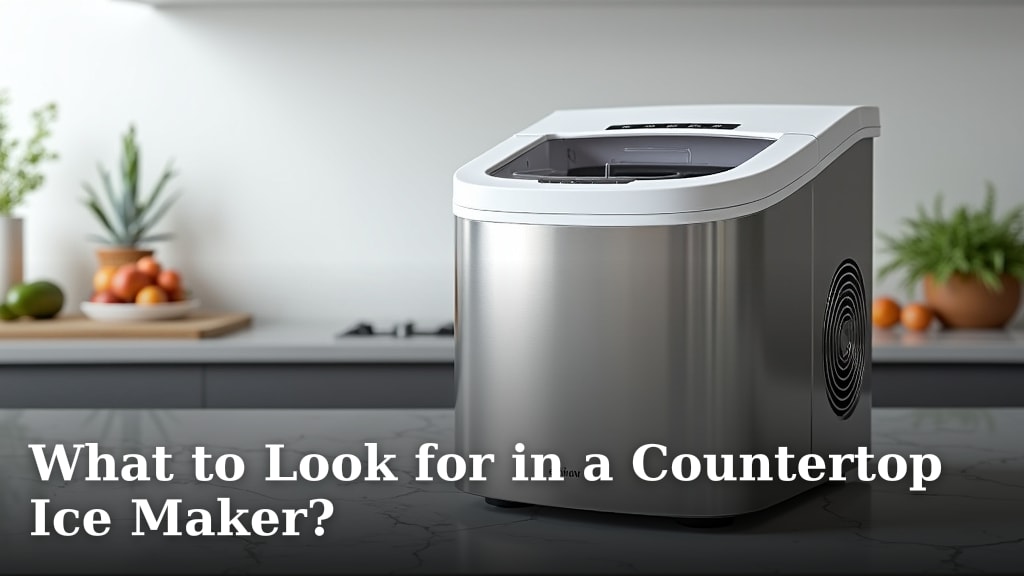
When looking for a countertop ice maker, you’ll want to consider its ice production speed, ice cube size options, and the overall capacity it offers. These are the most important factors that determine how well it fits your needs. A good machine makes ice quickly and offers flexibility for different drinks. It should also hold enough ice for your typical usage.
Beyond the basics, think about the noise level it produces, the water reservoir size, and how easy it is to clean and maintain. Some models are surprisingly loud. A larger water tank means fewer refills. Keeping your ice maker clean ensures your ice tastes fresh and the machine runs efficiently for years to come.
- Ice production speed matters most.
- Look for adjustable cube sizes.
- Check the total ice storage capacity.
- Consider how noisy it is.
- Easy cleaning is a big plus.
Ready to find the perfect countertop ice maker for your home? Let’s walk through exactly what to look for.
Choosing Your Ideal Countertop Ice Maker
Finding the right countertop ice maker means looking beyond just its ability to freeze water. We’ve done the research to help you pick a machine that fits your lifestyle. Let’s dive into the key features you should consider. You want a machine that’s both efficient and easy to live with.
Ice Production: Speed and Volume
This is where the magic happens – turning water into ice. You need to understand how much ice the machine can make and how quickly. This will tell you if it can keep up with your demands.
How Fast Does It Make Ice?
Think about those times you suddenly need ice. Maybe you’re hosting a party, or you just want a cold drink right now. The ice production speed, often measured in minutes per batch, is your answer.
Most manufacturers will tell you how long it takes for the first batch of ice to be ready. Some can start churning out ice in as little as 6 to 15 minutes. Others might take a bit longer. If you’re someone who frequently runs out of ice, a faster machine is definitely worth considering.
We found that machines claiming to make 25-50 pounds of ice per day are common. The actual speed per batch is more important for immediate needs, but the daily output tells you about its overall capacity over a longer period.
Daily Ice Production Capacity
This tells you the maximum amount of ice the machine can produce in a 24-hour period. It’s usually listed in pounds. If you entertain often or have a large family, you’ll want a higher daily output.
For example, a machine rated at 30 pounds per day might be enough for a small family. If you’re hosting a barbecue for 20 people, you’ll probably need something closer to 50 pounds or more. It’s always better to have a little extra ice than to run short.
Ice Cube Size and Type
Not all ice is created equal, and neither are ice makers. The size and shape of the ice cubes can affect how they chill your drinks and even how they look.
Adjustable Cube Sizes
Many countertop ice makers offer different size options. This is a fantastic feature because it lets you customize your ice. You might prefer smaller cubes for a soda or larger, slower-melting cubes for a whiskey.
You’ll typically see options like small, medium, and large. Some machines are very straightforward, while others offer more nuanced choices. This flexibility means your ice maker can adapt to whatever beverage you’re pouring.
Common Ice Cube Shapes
Most countertop ice makers produce what’s often called “bullet” ice. This shape is designed to be compact and efficient for chilling. It’s also relatively safe, as the rounded shape is less likely to chip teeth.
You might also find machines that make nugget ice, which is softer and chewier. Some advanced models even offer clear ice. Clear ice is visually appealing and melts more slowly because it has fewer air bubbles.
Storage and Water Reservoir
How much ice can your machine hold? And how often do you want to refill it with water? These are practical considerations that impact your daily use.
Ice Storage Bin Capacity
This is the amount of ice the built-in storage bin can hold at any given time. It’s different from the daily production capacity. A larger bin means you can scoop out more ice without needing to run the machine again immediately.
Think about how much ice you typically use at once. If you fill up a cooler for a picnic, you’ll need a good-sized bin. For just a few drinks at home, a smaller bin might be perfectly fine. Consider how much ice you typically use to determine if a larger bin is needed.
Water Reservoir Size
The water reservoir is where the machine stores the water it uses to make ice. A larger reservoir means you can go longer between refills. Some machines have a small built-in tank, while others can be connected to a direct water line.
If you don’t want to constantly monitor the water level, opt for a model with a larger reservoir. Some units have indicators that tell you when the water is low. This helps prevent the machine from stopping mid-cycle.
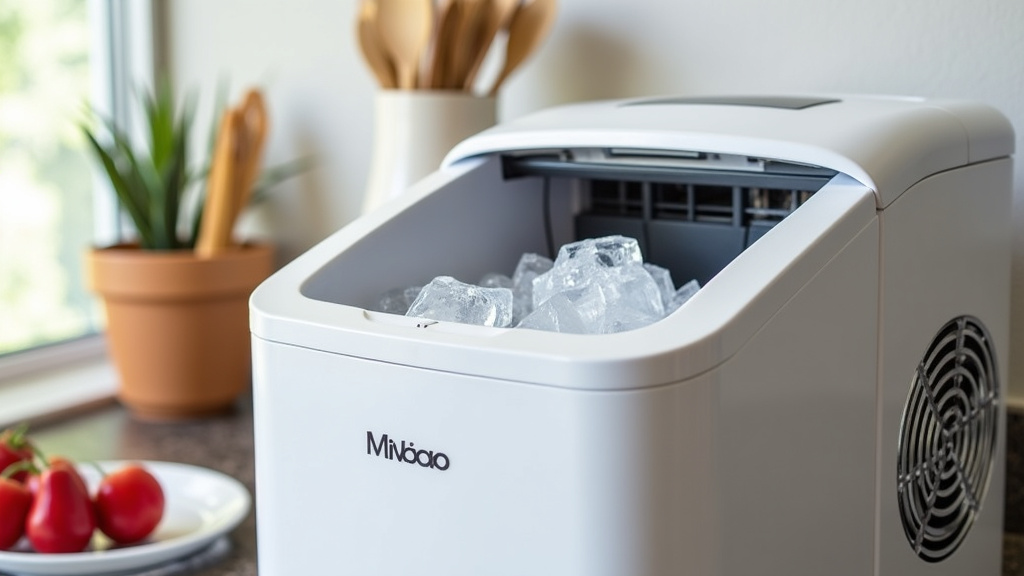
Operational Considerations: Noise and Maintenance
No one wants a noisy appliance interrupting their quiet evening. And nobody wants to spend hours scrubbing their ice maker.
Understanding Noise Levels
Countertop ice makers do make noise. There’s the sound of the compressor, the water pump, and ice cubes dropping into the bin. Some are surprisingly quiet, while others can be quite noticeable.
We found that decibel ratings can be helpful, though they aren’t always provided. Generally, newer models and those with better insulation tend to be quieter. If your ice maker will be in a living area or bedroom, noise is a factor you should definitely research.
Ease of Cleaning and Maintenance
Keeping your ice maker clean is vital for hygiene and performance. Mold and mildew can grow if it’s not cleaned regularly. Look for features that make cleaning easier.
Self-cleaning functions are a huge plus. Many models also have removable parts, like the ice bin and scoop, which can be washed separately. Smooth interiors and simple designs without too many nooks and crannies are also easier to wipe down. Check the manufacturer’s recommendations for cleaning frequency, as this can vary.
Here’s a quick checklist to help you narrow down your choices:
- Production Speed: How quickly does it make the first batch?
- Daily Output: How much ice can it make in 24 hours?
- Cube Size Options: Does it offer the sizes you need?
- Storage Capacity: How much ice can the bin hold?
- Water Reservoir: How often will you need to refill it?
- Cleaning Features: Is it easy to maintain?
Additional Features to Consider
Beyond the core functions, some extra features can enhance your user experience and the overall value of the ice maker.
Energy Efficiency
Like any appliance, ice makers consume energy. While they might not be the biggest energy hogs, it’s still worth considering. Look for models with good energy ratings if this is a concern for you.
Some machines are designed to be more energy-efficient. They might have better insulation or use newer, more efficient cooling technologies. The U.S. Department of Energy provides general energy efficiency guidelines that can be helpful.
Portability and Size
Countertop ice makers are designed to be portable, but their size and weight can vary. Measure your counter space to ensure a good fit. If you plan to move it around often, a lighter model might be preferable.
Consider where you’ll place it. You’ll need access to a power outlet and ideally a water source nearby if you don’t want to carry water. Some models are surprisingly bulky, so check the dimensions carefully.
Conclusion
You’ve learned what to look for in your countertop ice maker. Remember to prioritize ice production speed and daily output for your needs. Don’t forget about adjustable cube sizes and sufficient storage capacity. Consider the water reservoir size and how easy it is to clean. By focusing on these key features, you can find a machine that consistently delivers the perfect ice for any occasion. Take your time, compare models, and you’ll soon be enjoying fresh ice whenever you want it.
Frequently Asked Questions
How often do I really need to clean a countertop ice maker?
Most manufacturers recommend cleaning your ice maker weekly or bi-weekly. This prevents mold and mildew growth, ensuring your ice tastes fresh. Regular cleaning also helps maintain the machine’s efficiency and longevity.
Are countertop ice makers very loud?
Countertop ice makers do make some noise, primarily from the compressor and water pump. However, many newer models are designed to be quieter. If noise is a concern, check reviews for decibel ratings or user feedback on sound levels.
Can I use filtered water in my ice maker?
Yes, using filtered water is highly recommended. It can significantly improve the taste of your ice and help reduce mineral buildup inside the machine. This can lead to fewer clogs and a longer lifespan for your ice maker.
What’s the difference between ice production speed and daily output?
Ice production speed refers to how long it takes to make the first batch of ice, often just minutes. Daily output is the total amount of ice the machine can produce over a 24-hour period, usually measured in pounds. Both are important for meeting your ice needs.
Do countertop ice makers keep ice frozen indefinitely?
No, most countertop ice makers do not have a freezer function to keep ice frozen solid. The ice bin is insulated, but the ice will melt over time and be re-frozen by the machine. If you need ice to stay frozen for extended periods, you’ll need a separate freezer.