How to Get Rid of White Ice in the Middle of Cubes?
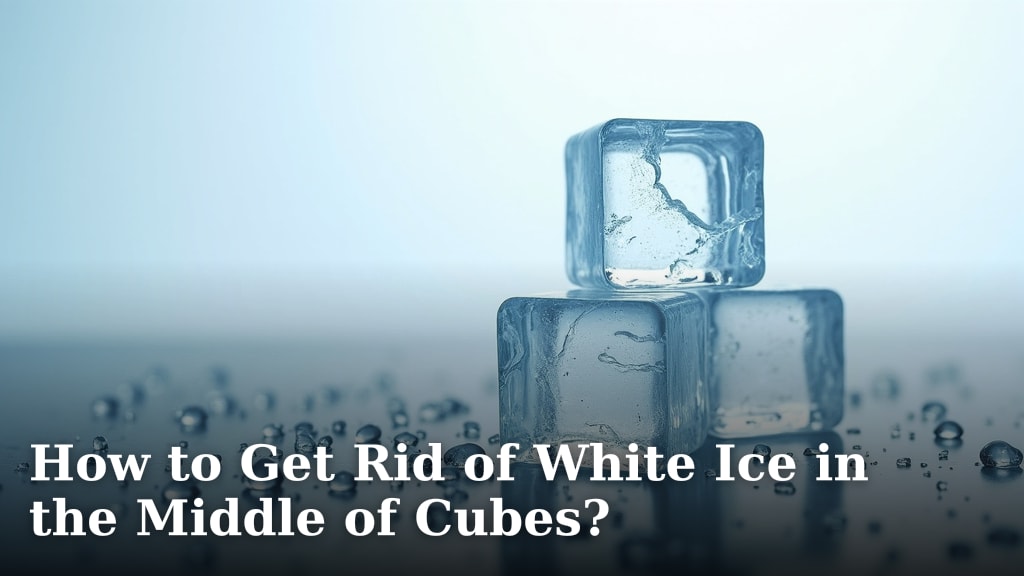
Getting rid of white ice in the middle of your cubes is simple. You can achieve clearer ice by using filtered water and boiling it twice. This process removes trapped air and impurities. Your drinks will look much more appealing with crystal-clear ice. You’ll be surprised at the difference it makes.
Many home bartenders struggle with cloudy ice. It can make your cocktails look less professional. We found that the minerals and air in tap water are the main culprits. By taking a few extra steps, you can significantly improve ice clarity. It’s a small change with a big visual impact.
- Use filtered or distilled water.
- Boil your water twice before freezing.
- Cool the water completely before pouring into trays.
- Directional freezing can also help.
Let’s walk through exactly how to get that perfect, clear ice at home. We’ll cover the simple steps to make your drinks shine.
Achieving Crystal Clear Ice Cubes at Home
You want ice cubes that look as good as your drinks taste. Cloudy ice can be a real bummer. It often happens because of air bubbles and minerals trapped inside. This happens naturally as water freezes. The freezing process pushes these impurities to the center. We found that with a few simple changes, you can get beautifully clear ice. It’s not as difficult as you might think.
Understanding Why Ice Turns Cloudy
Have you ever noticed that the inside of your ice cube is white and opaque? That cloudiness is usually due to dissolved gases and impurities in the water. When water freezes, these elements get pushed out of the ice crystal structure. They tend to concentrate in the center. Tap water often has more of these impurities than you might realize. Many experts agree that these trapped air bubbles are the main culprit for that milky appearance.
The Science Behind Cloudy Ice
When water freezes, it starts from the outside and moves inward. As the water turns to ice, it expands. This expansion pushes dissolved air and minerals to the areas that haven’t frozen yet. Think of it like squeezing something into a smaller space. The impurities have nowhere else to go. They collect where the last bit of water freezes. This central, impure section is what makes your ice cubes look cloudy. Understanding this helps us find the solutions.
Common Water Impurities and Air
Tap water, while generally safe to drink, contains dissolved minerals like calcium and magnesium. It also holds dissolved oxygen and nitrogen from the air. These substances don’t freeze into the ice structure as readily. They get pushed to the center. Even filtered water can still contain some dissolved air. It’s this combination of minerals and air that gives us that less-than-perfect ice. We found that reducing these is key.
Steps to Make Your Ice Clearer
Getting clearer ice involves preparing your water before it hits the freezer. The goal is to remove as much dissolved air and as many impurities as possible. Several methods work well. They all aim for the same result: ice that sparkles. Let’s break down the most effective techniques.
Start with Better Water
The type of water you use makes a big difference. Tap water is convenient, but it’s often the source of cloudy ice. We found that using purified water is a great first step. This significantly reduces the number of minerals present.
Filtered Water
Using a water filter pitcher or a faucet filter can remove many impurities from your tap water. These filters are designed to trap sediment and some dissolved solids. While good, they may not remove all dissolved gases. Still, this is a solid improvement over unfiltered tap water. Many people find this step alone makes a noticeable difference in their ice clarity. It’s an easy change to make.
Distilled or De-Ionized Water
For the clearest ice, distilled or de-ionized water is your best bet. Distilled water has had most of its impurities removed through boiling and condensation. De-ionized water has had its mineral ions removed. These types of water have very few dissolved solids and gases. You can find them at most grocery stores. Using them means you’re starting with a much purer base. We found this method yields the most consistently clear ice.
The Double Boiling Method
Boiling water is a classic way to remove dissolved gases. When you boil water, the dissolved air is driven out. This process is incredibly effective for clearing up ice. We found that boiling your water twice is even better.
Why Boil Water Twice?
Boiling water once removes a good portion of the dissolved air. However, as the water cools, it can absorb air from the atmosphere again. Boiling it a second time drives out even more of that stubborn air. This makes the water much purer for freezing. It’s a simple technique that greatly improves ice clarity. Many sources recommend this as a primary method for clear ice (Cleveland Clinic).
How to Double Boil
Here’s how to do it. First, bring your chosen water (filtered, distilled, or even tap if you’re trying this method) to a rolling boil in a clean pot. Let it boil for a few minutes. Then, let the water cool down completely. Once it’s cooled, pour it into a new, clean pot and bring it to a boil again. Let it boil for a few minutes once more. This two-step boiling process is very effective.
Cooling is Crucial
After boiling, it’s vital to let the water cool down completely before freezing. Pouring hot or even warm water into your freezer is not ideal. It can affect the temperature and potentially damage your freezer’s efficiency. More importantly, it can introduce more air bubbles as it cools rapidly in the cold environment. Patience here is key for clear ice.
Let it Reach Room Temperature
Allow the twice-boiled water to cool down to room temperature. You can even let it cool further, perhaps to refrigerator temperature, but room temperature is usually sufficient. This slow cooling process helps prevent the reintroduction of excess air. We found that letting it sit for a few hours ensures it’s ready. This is a critical step for achieving that desired clarity.
Directional Freezing Techniques
Besides preparing the water, how you freeze it also matters. Directional freezing is a method that encourages impurities to be pushed out of the ice cube in a specific direction. This leaves a clear portion behind.
The Cooler Method
This is a popular method among home bartenders. You’ll need a small cooler (like a lunchbox cooler) and your ice cube trays. Fill your ice cube trays with your prepared water. Place these trays inside the cooler. Then, put the cooler into your freezer. The cooler acts as an insulator. It forces the water to freeze from the top down, or from the sides in, depending on the cooler. This directs impurities to the bottom or one side of the ice cube. The top part freezes clear. You can then break off the cloudy bottom part.
Insulated Containers
Similar to the cooler method, you can use other insulated containers. The principle is the same: slow down the freezing process. This controlled freezing allows impurities to be pushed away from the clear ice forming. Research shows that controlling the freezing direction can significantly improve clarity. It’s a bit more involved but can yield professional-looking results.
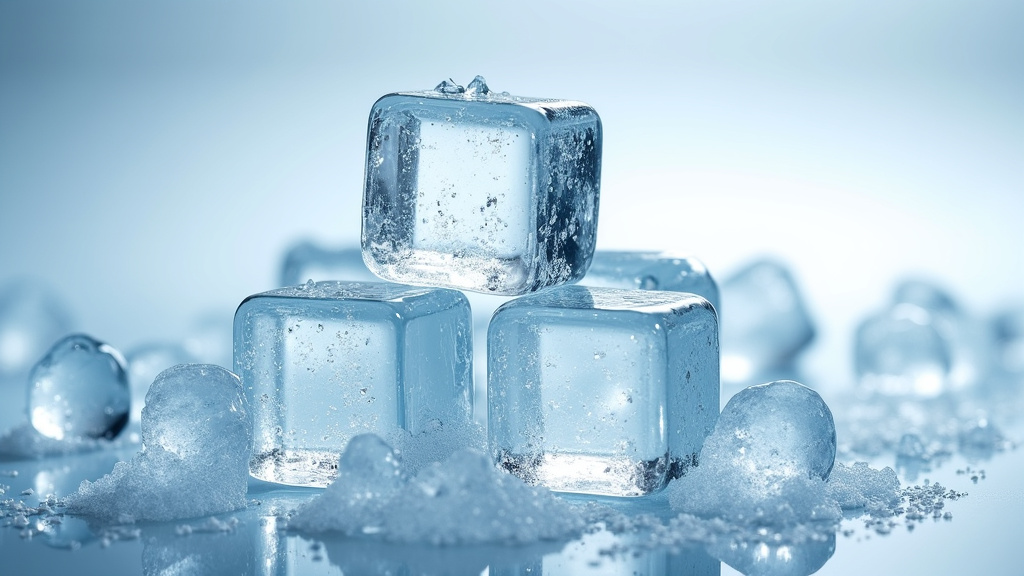
Quick Checklist for Clearer Ice
Ready to make your own perfectly clear ice? Follow these quick steps:
- Choose filtered, distilled, or de-ionized water.
- Boil your water twice before freezing.
- Allow the boiled water to cool completely.
- Pour into clean ice cube trays.
- Use the cooler method for directional freezing if possible.
- Freeze and enjoy your crystal-clear ice!
Troubleshooting Common Issues
Even with these methods, you might encounter some cloudy ice. Don’t get discouraged! Let’s look at a couple of things that might happen.
Still Cloudy Ice?
If your ice is still cloudy, double-check the water you’re using. Are you sure it’s filtered or distilled enough? Sometimes, even filtered water can have enough minerals to cause cloudiness. Also, ensure you’re cooling the water completely after boiling. If you pour warm water into the freezer, it can cause rapid freezing and trap more air. We found that consistency in cooling is important.
The “Fuzzy” Bottom
With directional freezing, you might get a large block of clear ice with a cloudy bottom. This is normal! The cloudy part is where all the impurities were pushed. You can simply chip or cut away the cloudy portion. This leaves you with beautiful, clear ice spheres or cubes. It’s a small sacrifice for amazing clarity. Many experts say this is the intended outcome of directional freezing.
Conclusion
You’ve learned that achieving crystal-clear ice at home is totally doable. It all comes down to preparing your water correctly and controlling how it freezes. By using filtered or distilled water, boiling it twice, and letting it cool properly, you remove those pesky air bubbles and impurities. Employing a directional freezing method, like the cooler technique, further pushes any remaining cloudiness away from your ice. With these simple steps, your drinks will look more professional and appealing. Start with your next batch of ice and see the beautiful difference for yourself!
Frequently Asked Questions
Can I just use tap water and boil it once?
Boiling tap water once will help, but it’s not usually enough on its own. As the water cools, it can reabsorb air. Boiling it a second time removes more dissolved gases. For the clearest ice, we found filtered or distilled water is best, combined with double boiling.
How long does it take to make clear ice?
The total time includes preparing the water and freezing. Boiling and cooling might take a few hours. Then, the actual freezing process in your freezer typically takes 6-12 hours, depending on your freezer and ice cube size. Patience is key for clear results.
Will boiling water remove minerals?
Boiling water is very effective at removing dissolved gases like air. It can also cause some minerals to precipitate out of the water. However, it doesn’t remove all minerals. For truly mineral-free water, you’d need distillation or de-ionization.
Is it safe to drink water that has been boiled twice?
Yes, it is perfectly safe. In fact, boiling water kills most harmful bacteria and viruses, making it safer to drink. Twice-boiling removes dissolved air, which is the main goal for clearer ice, not for sterilization purposes.
Why does the bottom of my directional-frozen ice block look cloudy?
This is normal and expected with directional freezing methods. The cooler or insulated container forces the water to freeze from one direction. This process pushes all the impurities and trapped air to the last part to freeze, which is usually the bottom. You can simply cut or chip away this cloudy section.