What Is the Softest Type of Ice Exactly?
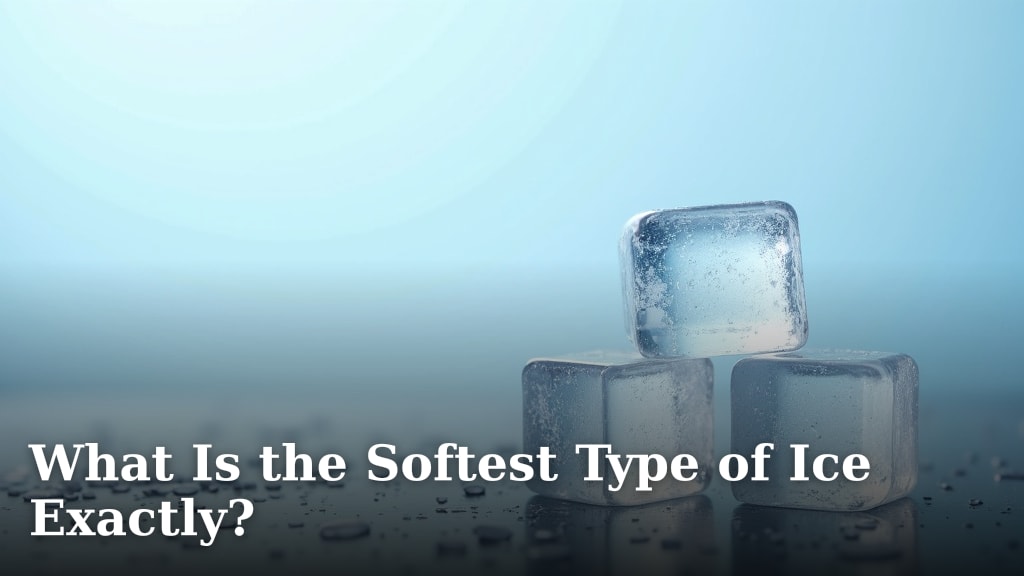
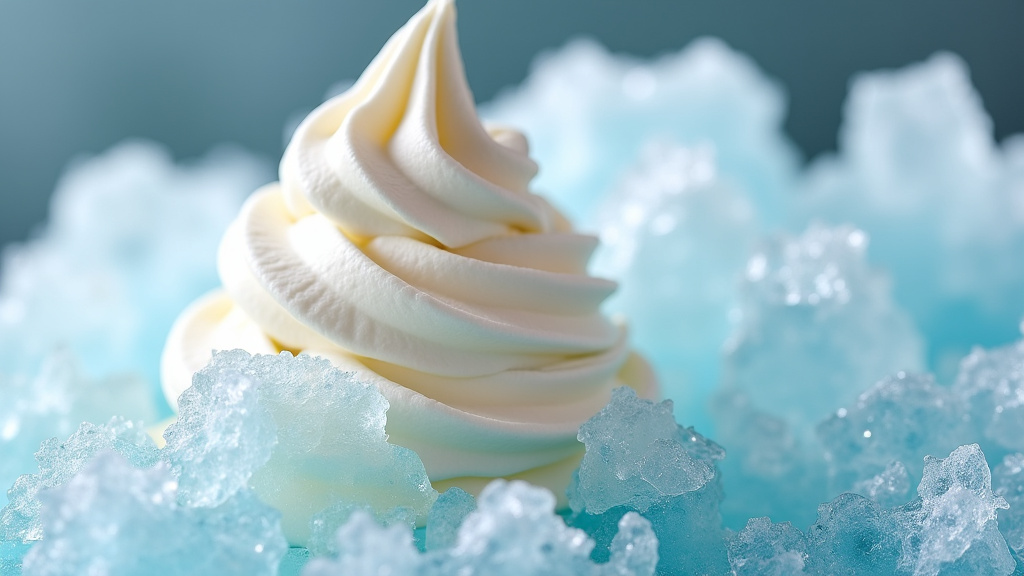
The softest type of ice you’ll encounter is often called “snow ice” or simply soft-serve ice. It’s created by blending ice crystals with stabilizers and dairy or non-dairy liquids. This process results in a smooth, creamy texture that’s much lighter than traditional ice cream.
This wonderfully smooth ice isn’t just about taste; its unique texture comes from how it’s made. Unlike hard-packed ice cream, soft-serve is kept at a warmer temperature. This prevents large ice crystals from forming, keeping it wonderfully soft and melt-in-your-mouth. Many people find this texture incredibly satisfying.
- Softest ice is usually “snow ice” or soft-serve.
- It’s made by blending ice with liquids and stabilizers.
- The texture is smooth, creamy, and lighter than regular ice cream.
- Warmer serving temperatures prevent large ice crystals.
Let’s dive into what makes this type of ice so special and how it’s typically made, so you can better understand your favorite frozen treat.
Understanding the Smoothest Frozen Treats
You’ve likely experienced it: that incredibly smooth, melt-in-your-mouth sensation that’s different from hard ice cream. This is what we mean by the softest type of ice. It’s a texture that many people adore for its gentle feel and creamy finish. But what exactly creates this delightful softness?
The secret lies in both the ingredients and the preparation method. It’s not just about freezing a liquid. It involves a careful balance of elements to achieve that signature airy and smooth quality. We’ll break down the science behind it so you can understand why your favorite soft-serve is so special.
The Science of Softness: Preventing Ice Crystals
The key to achieving the softest ice texture is all about controlling ice crystal size. Think about what happens when you freeze water. You get solid ice crystals. The larger these crystals are, the harder and icier your frozen treat will feel.
For soft, smooth ice, the goal is to create tiny, almost imperceptible ice crystals. This makes the texture feel creamy and velvety on your tongue. It’s a delicate balance that requires specific techniques and ingredients.
The Role of Fat and Sugar
Fat and sugar play a huge role in ice crystal formation. Fat, typically from dairy like milk and cream, coats the ice crystals. This coating prevents them from joining together to form larger chunks. It creates a smoother, richer mouthfeel.
Sugar also helps. It lowers the freezing point of the mixture. This means that not all the water will freeze solid. Some of it remains in a liquid-like syrup even at freezing temperatures. This liquid syrup helps to bind everything together, contributing to that smooth, soft texture.
Stabilizers: The Unsung Heroes
You might not think about them, but stabilizers are essential for soft ice. Ingredients like guar gum, carrageenan, or locust bean gum are often used. These are usually derived from natural sources like plants or seaweed.
What do they do? Stabilizers help thicken the mixture before freezing. They also prevent ice crystals from growing larger over time. This is especially important for preventing that “icy” texture that can develop in homemade frozen treats left in the freezer too long.
Many ice cream manufacturers use these. They are carefully chosen to work with the fat and sugar content. This ensures a consistent, smooth texture every time you enjoy your soft-serve (Food Science Today).
Air: The Secret Ingredient for Lightness
Have you ever wondered why soft-serve is so much lighter than regular ice cream? It’s because of the air whipped into it during the freezing process. This process is called overrun.
Soft-serve machines are designed to incorporate a significant amount of air as they churn the mixture. This air creates tiny pockets throughout the frozen treat. These air pockets make the product lighter and fluffier.
The amount of air can vary. Some soft-serve has more air than others. This affects its final texture and density. Too much air can make it feel foamy. Too little air can make it denser and icier.
How Soft Ice is Actually Made: The Machines and Process
The creation of the softest ice isn’t accidental. It involves specialized equipment and a controlled environment. The most common method involves a soft-serve machine.
These machines are quite clever. They combine the base ingredients with air while freezing them to the perfect temperature. This process is continuous, meaning the product is made as it’s dispensed.
The Soft-Serve Machine in Action
A typical soft-serve machine has a hopper where the liquid base is stored. This base is usually a mix of dairy or non-dairy liquids, sugar, stabilizers, and flavorings. From the hopper, the mixture flows into a freezing cylinder.
Inside the cylinder, a beater or auger churns the mixture. As it churns, it scrapes the sides of the freezing cylinder. This action incorporates air and prevents ice from sticking too much. The temperature is carefully controlled, usually between 20°F and 25°F (-7°C to -4°C).
This warmer freezing temperature is key. It’s much warmer than the -18°C (0°F) or colder temperatures typical for hard-packed ice cream. This warmer temperature naturally limits the size of ice crystals that can form.
The Dispensing Process
Once the mixture reaches the desired consistency, it’s ready to be dispensed. When you pull the handle or push the lever, the machine forces the semi-frozen mixture out. This is where the final amount of air is incorporated.
The result is a soft, creamy product that’s ready to eat immediately. It doesn’t need hardening in a freezer like traditional ice cream does. This direct-to-consumer freshness is part of its appeal.
Comparing Soft Ice to Other Frozen Desserts
To truly appreciate the softness, let’s compare it to other frozen treats you might enjoy. Understanding the differences highlights what makes soft ice so unique.
Soft Ice vs. Traditional Hard-Packed Ice Cream
The biggest difference is the ice crystal size and serving temperature. Hard-packed ice cream is frozen much colder. This allows for larger ice crystals to form. It’s also churned differently, incorporating less air.
Because it’s frozen solid, hard ice cream needs to be served at a very cold temperature. This often makes it feel very hard when you first scoop it. You might need to let it sit for a few minutes to soften up.
Soft ice, on the other hand, is served warmer. Its ice crystals are much smaller. This gives it a smoother, lighter, and creamier texture right from the machine. It melts more easily on your tongue.
Soft Ice vs. Sorbet and Gelato
Sorbet is typically made without dairy. It’s primarily fruit, water, and sugar. While it can be smooth, its texture is often icier than soft ice because it lacks the fat to coat ice crystals. The flavor can also be more intense due to less dilution from dairy.
Gelato is made with more milk and less cream than traditional ice cream. It’s churned slower, incorporating less air. This results in a denser, richer texture than soft ice. Gelato is also served slightly warmer than ice cream but usually colder than soft ice.
| Feature | Soft Ice | Hard Ice Cream | Gelato | Sorbet |
|---|---|---|---|---|
| Ice Crystal Size | Very Small | Small to Medium | Small | Small to Large (can be icy) |
| Air Content (Overrun) | High | Medium | Low | Very Low to None |
| Fat Content | Moderate | High | Moderate | Low to None |
| Serving Temperature | ~20-25°F (-7 to -4°C) | ~0-10°F (-18 to -12°C) | ~10-15°F (-12 to -9°C) | ~5-10°F (-15 to -12°C) |
| Texture Feel | Smooth, Creamy, Light | Creamy, Dense | Dense, Smooth, Rich | Icy, Refreshing, Can be Smooth |
What About “Snow Ice”?
You might have heard the term “snow ice”. This often refers to the same concept as soft-serve or specifically the very fine, powdery texture of shaved ice that has been flavored.
Truly fine shaved ice, like that used for Hawaiian shaved ice, can feel incredibly soft, almost like eating flavored snow. The ice is shaved so finely that it doesn’t have distinct ice crystals. However, it’s typically made with just water and flavoring, not the dairy and stabilizers found in soft-serve.
So, while “snow ice” describes a texture, “soft-serve” is the common commercial product that achieves this softest ice texture through its specific preparation and ingredients. Both offer a delightful, less icy experience.
Tips for Enjoying the Softest Ice
Knowing what makes your favorite frozen treat so soft can help you appreciate it even more. Here are a few tips:
- Enjoy it fresh: Soft-serve is best eaten right after it’s made. The texture is perfect at that moment.
- Consider the flavors: While the texture is the star, flavorings can enhance the experience.
- Mind the temperature: Remember it’s served warmer. It will melt faster than hard ice cream.
- Look for quality ingredients: Higher fat content and good stabilizers contribute to a better texture.
Quick Checklist for Soft Ice Appreciation
Here’s a quick way to remember the key features of the softest ice:
- Small ice crystals are key.
- Fat and sugar help create smoothness.
- Stabilizers prevent ice crystal growth.
- Air (overrun) makes it light and fluffy.
- Warmer serving temperatures are used.
- Specialized machines create the texture.
Conclusion
You’ve learned that the softest ice, often called soft-serve or “snow ice,” owes its delightful texture to a careful blend of ingredients and precise preparation. By controlling ice crystal size with fat, sugar, and stabilizers, and by incorporating air through a process called overrun, specialized machines create that light, creamy, melt-in-your-mouth experience we all love. Unlike its harder counterparts, soft-serve is served at a warmer temperature, preventing those icy textures. Now you can better appreciate the science behind your favorite frozen treat!
Next time you enjoy a swirl of soft-serve, you’ll know exactly what makes it so wonderfully soft and smooth. Try to notice the subtle differences in texture based on how fresh it is and the ingredients used!
Frequently Asked Questions
Why does soft-serve melt faster than regular ice cream?
Soft-serve melts faster because it is served at a warmer temperature, typically between 20-25°F (-7 to -4°C). This warmer temperature, along with its lighter, airier structure from overrun, causes it to liquefy more quickly than hard-packed ice cream, which is frozen much colder.
Can I make soft-serve ice cream at home?
While you can’t perfectly replicate commercial soft-serve without specialized equipment, some home ice cream makers can produce a softer texture. Using recipes with higher fat, sugar, and stabilizers, and freezing quickly, can help you achieve a smoother, less icy result at home.
What’s the difference between soft ice and shaved ice?
While both can feel soft, “soft ice” usually refers to soft-serve, which is a dairy or non-dairy base with stabilizers and air churned in. True shaved ice, like Hawaiian shave ice, is made from water frozen and then shaved into extremely fine particles, creating a snow-like texture without the creaminess of soft-serve.
Is soft-serve considered healthy?
The healthiness of soft-serve depends on its ingredients and serving size. It often contains sugar and fat from dairy or non-dairy bases. While it’s a treat, its lighter texture due to air incorporation can make it feel less dense than traditional ice cream, but nutritional content can vary widely by brand and flavor.
Does the type of stabilizer matter for soft ice texture?
Yes, the type and amount of stabilizers used can significantly impact the texture of soft ice. Stabilizers like guar gum or carrageenan prevent large ice crystals from forming and help to thicken the mixture, contributing to a consistently smooth and creamy mouthfeel that doesn’t become icy.